C-Max Tire
C-Max Tire
C-Max Tire
Explore our premium machinery, armored commercial platforms, and off-road tire systems engineered to operate under high-stress profiles.
The manufacturing sector for passenger car wheels is undergoing a paradigm shift driven by stringent safety mandates, mechanical lightweighting targets, and the global electrification of powertrains. As key nodes in the automotive suspension system, passenger car wheels must offer impeccable structural integrity, high thermal dissipation capability, and low rotational inertia. Obtaining the CE Certification (Conformité Européenne) is a critical indicator of compliance with health, safety, and environmental protection standards within the European Economic Area (EEA), establishing a benchmark reference for global commercial markets.
From an engineering perspective, CE certification ensures that wheels pass critical mechanical tests, including dynamic cornering fatigue tests, radial fatigue tests, and bi-axial stress simulation profiles. For tier-1 automotive suppliers and bulk distributors, sourcing passenger car wheels from a certified factory is not merely a legal compliance checkbox; it is a structural mechanism to mitigate liability risk, guarantee field reliability, and lower total life-cycle costs.
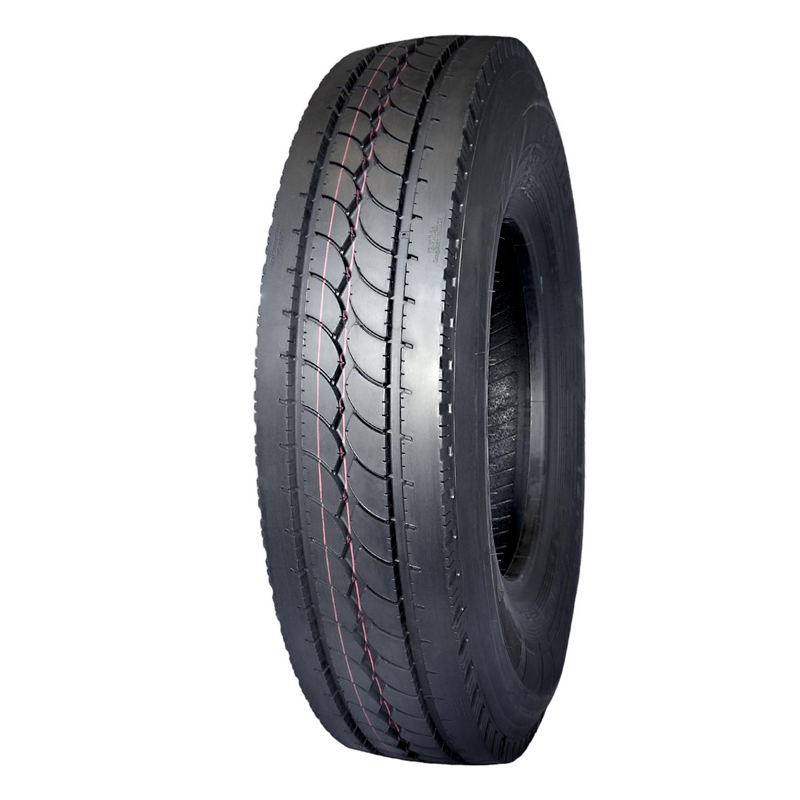
Delve into the metallurgical processes, materials technology, and strict quality control standards that power our global manufacturing footprint.
Utilizing high-purity A356.2 aluminum alloy modified with strontium refiners. This delivers superior mechanical tensile elongation (up to 8%-12% post-T6 heat treatment) compared to industry baselines, minimizing catastrophic brittle failure risks.
By applying radial compression to the inner barrel profile of the cast wheel, the aluminum grain structure is aligned in a parallel fiber format. This yields forged-like structural density, reduces outer rim mass, and enhances structural rigidity.
100% of our production line output goes through real-time industrial X-ray non-destructive testing (NDT). This protocol detects micro-porosities, shrinkage cavities, and structural inclusions, preventing field failures.
A global industrial powerhouse delivering high-performance tires and dynamic structural solutions to cross-industry automotive ecosystems.
Qingdao C-Max Tire Co., Ltd., established in 2023, is a forward-thinking enterprise specializing in the research, development, manufacturing, and global sales of high-performance tires and structural assemblies. At C-Max, we are committed to driving innovation in automotive technology, continuously developing products that meet the diverse needs of various road conditions, climates, and usage scenarios.
Our company is proud to have a world-class R&D team, with each engineer bringing over 15 years of specialized vehicle components and tire development experience. This wealth of knowledge and expertise ensures that we not only maintain sustained product excellence but also innovate at an accelerated pace. By utilizing internationally advanced materials and cutting-edge manufacturing processes, our team ensures that every wheel and tire system we produce excels in durability, safety, grip, energy efficiency, and environmental performance.
Our Mission: We aim to lead the industry in automotive components performance and sustainability, offering customers products that not only meet their highest expectations but also contribute to a greener, more efficient future.
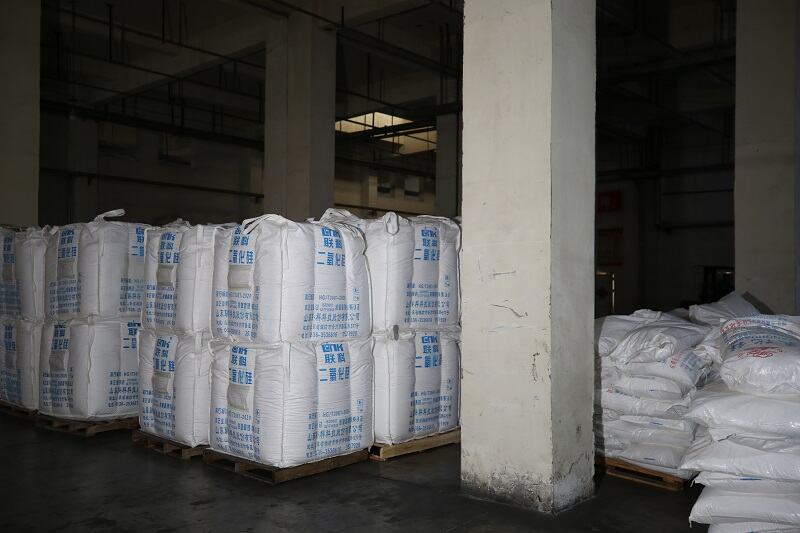
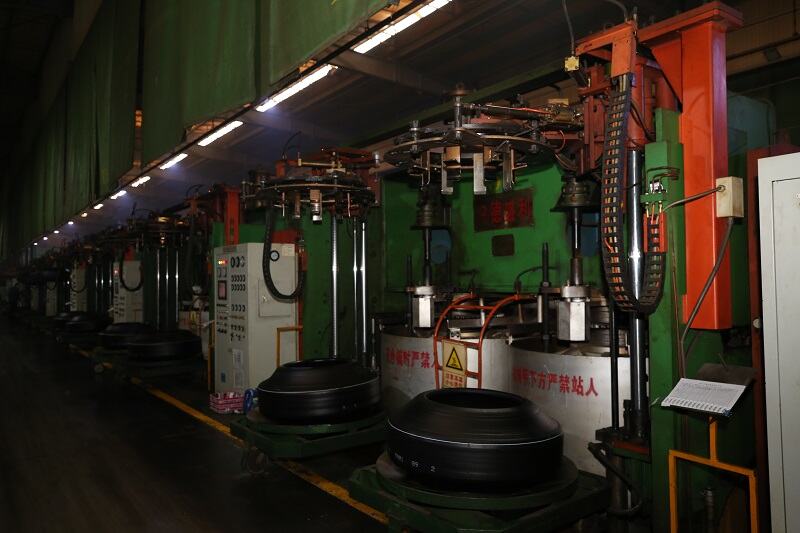
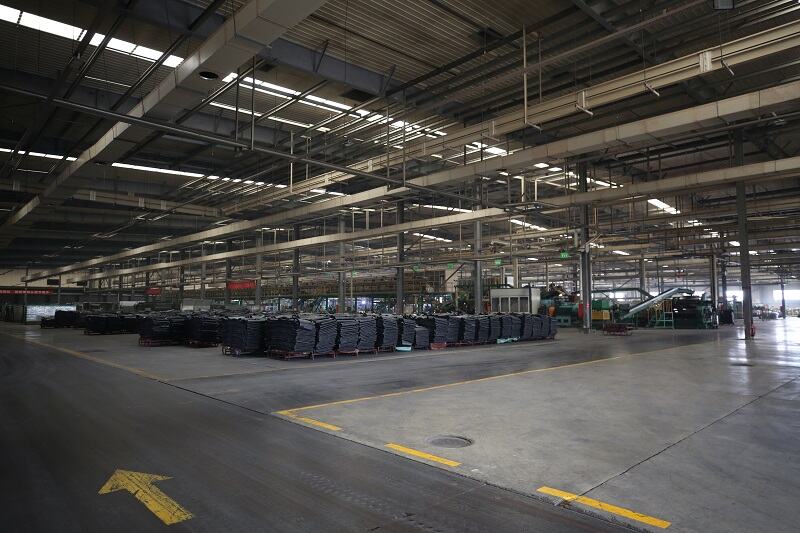
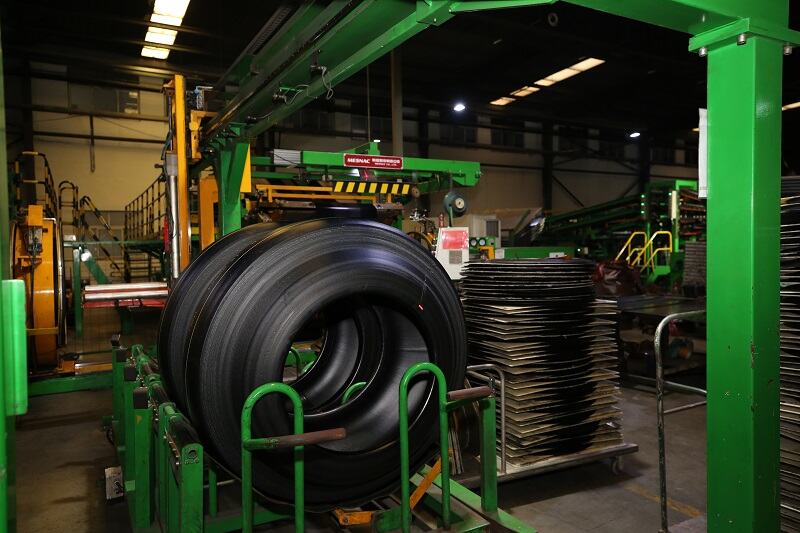
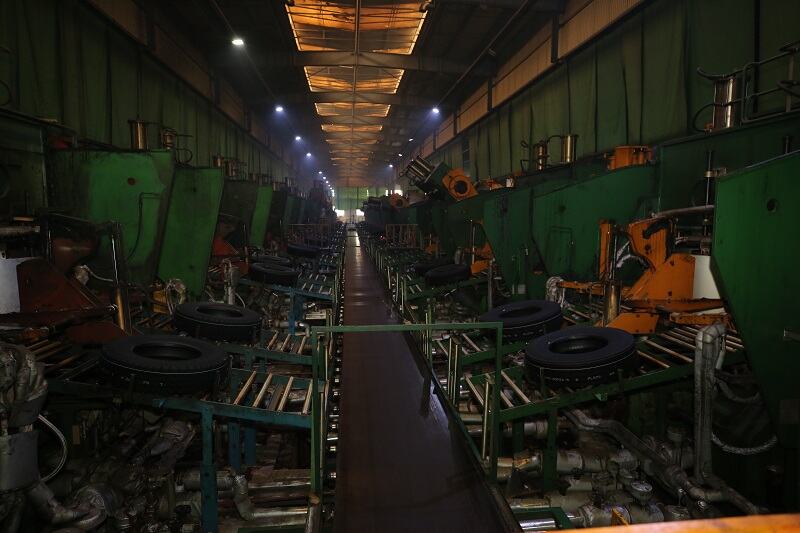
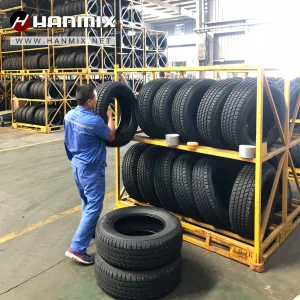
Our facility employs computerized automation, precision cutting, bending, and specialized structural welding systems to deliver uniform part consistency.
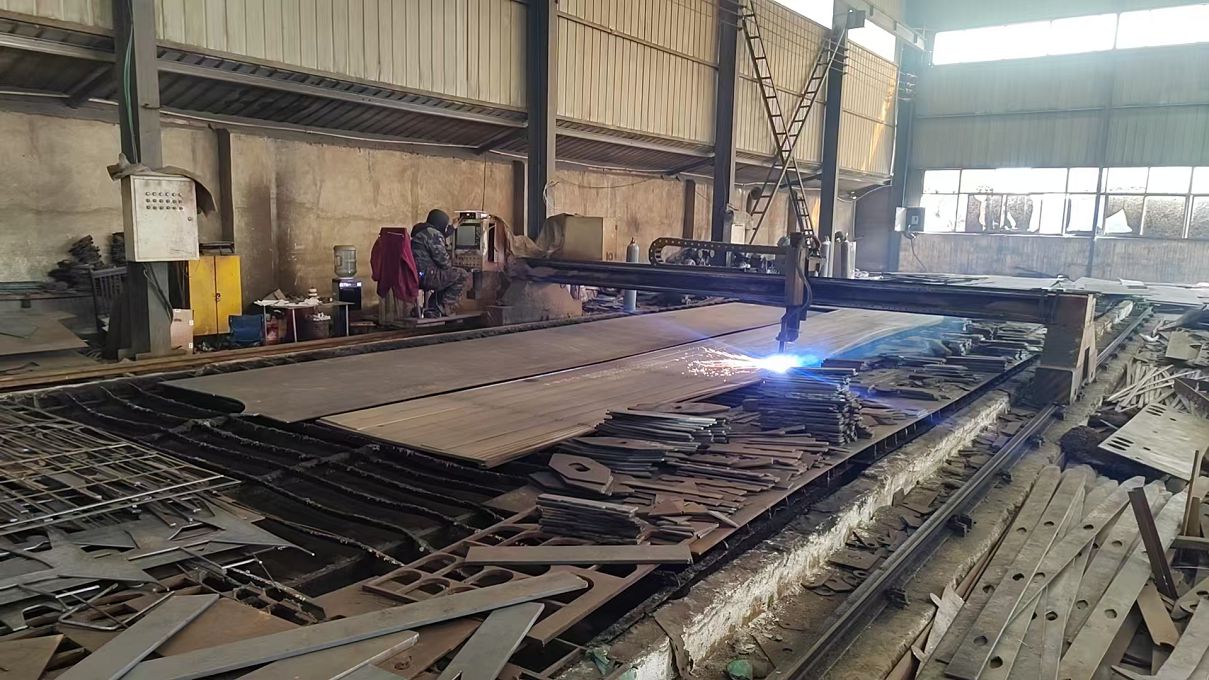
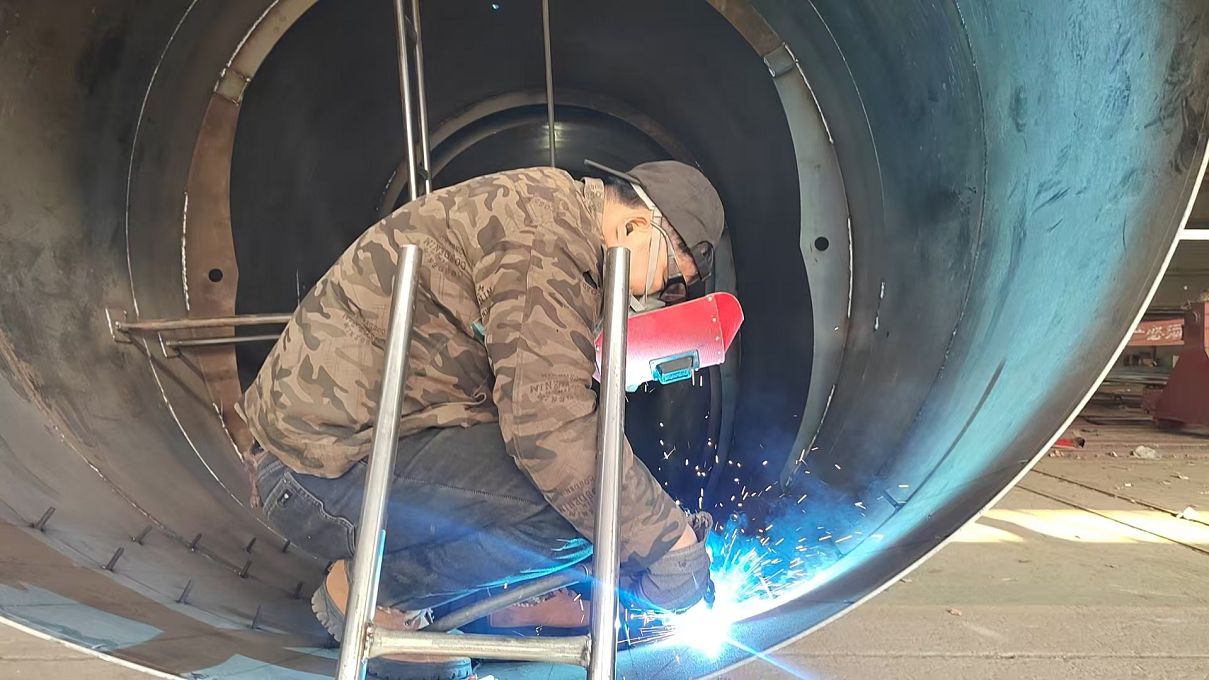
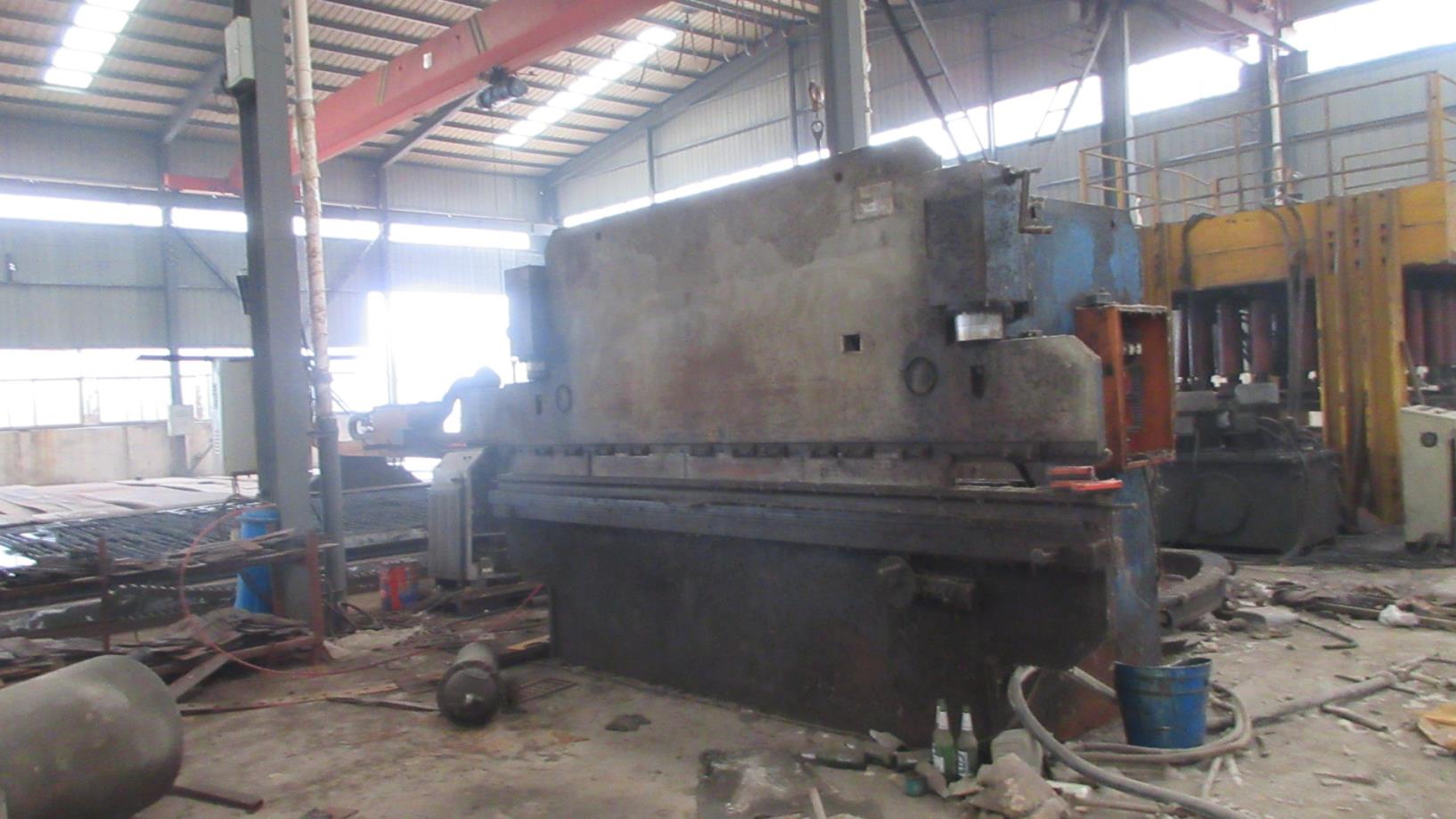
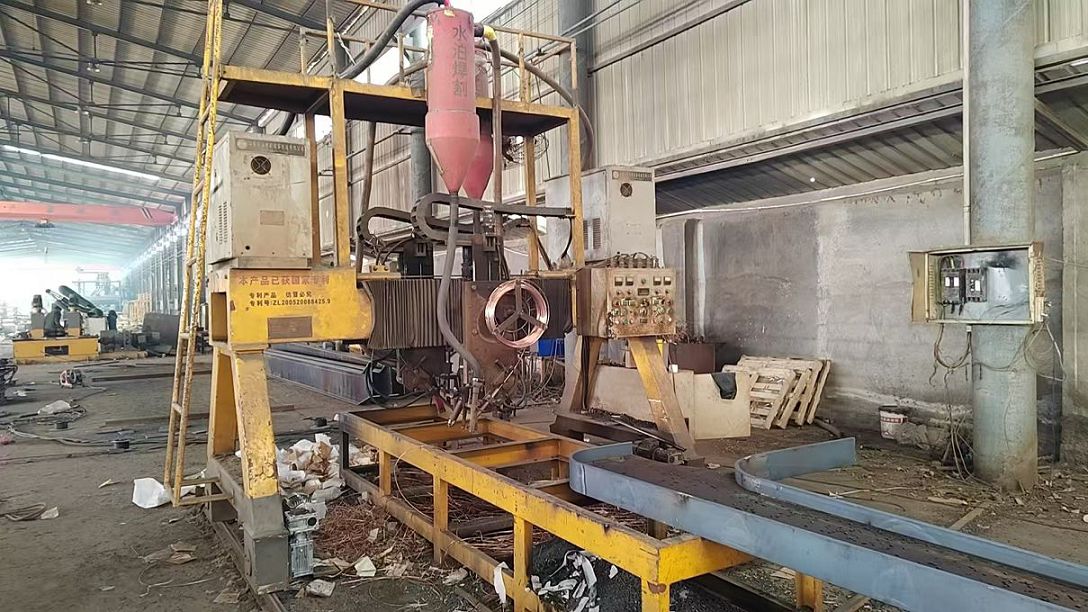
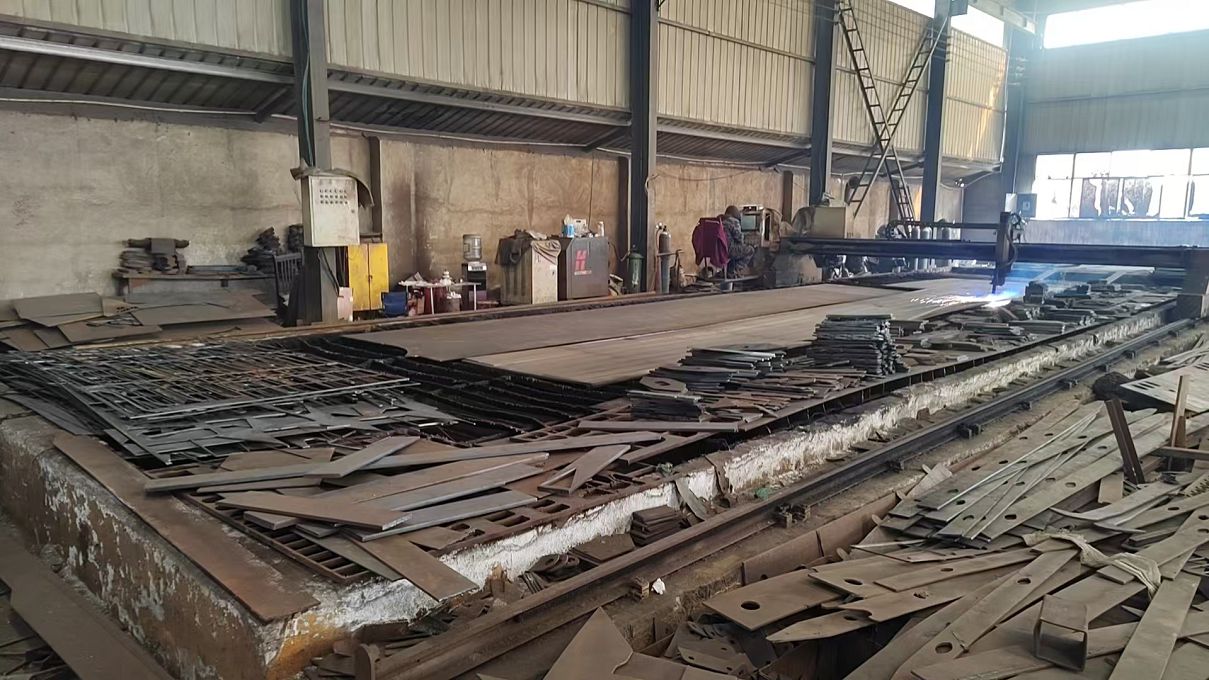
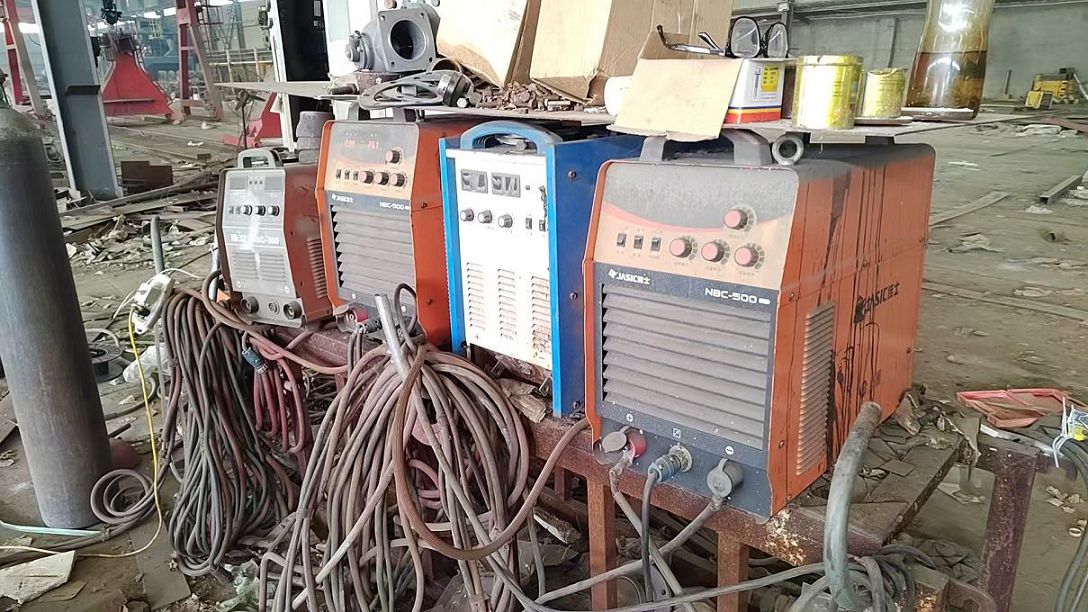
With an annual production capacity exceeding one million units, Qingdao C-Max Tire Co., Ltd. is positioned to serve over 200 clients across more than 50 countries, with extensive warehousing networks ensuring timely delivery. Our commercial strategy balances local regulatory compliance with aggressive ESG metrics.
Sourcing wheels globally requires navigating diverse certification protocols. While the European market relies on CE marking, ECE R124 regulations, and TÜV certifications, the US requires compliance with DOT (Department of Transportation) and SAE J2530 standards. Our engineering protocols reconcile these variations, manufacturing all systems to satisfy the most demanding criteria simultaneously. This global compatibility reduces compliance bottlenecks for import-export firms and multinational distributors.
To reduce scope 3 emissions for automotive OEMs, our production lines focus on lowering carbon intensity. We prioritize low-carbon aluminum suppliers, optimize melting furnace thermal efficiency, and recycle scrap aluminum in-house. This alignes our production process with the circular economy targets mandated by modern EU standards.
The next generation of passenger car wheels demands smart functionality. We are researching and prototyping:
Expert answers addressing materials, safety compliance, structural design, and global procurement procedures.
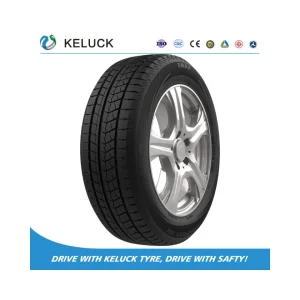
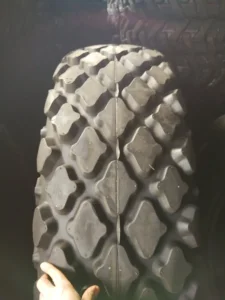
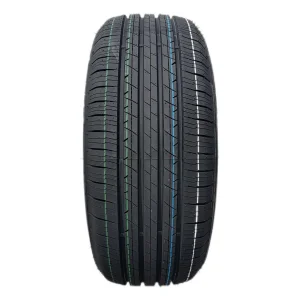
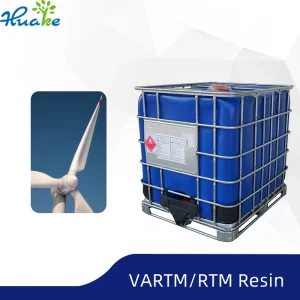
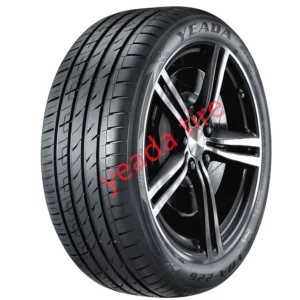
Premium all-season PCR tires, OTR assemblies, wind turbine resin, and agricultural tractor components sourced for global distribution networks.