C-Max Tire
C-Max Tire
C-Max Tire
Explore our premier line of OEM and ODM commercial wheel assemblies, radial light truck tires, and industrial machinery components engineered for extreme durability and reduced operational expenditure.
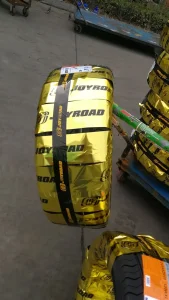
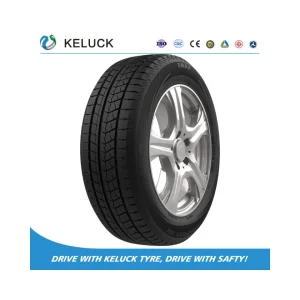
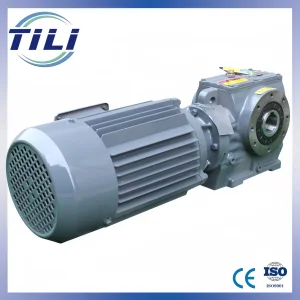
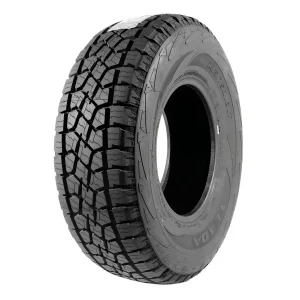
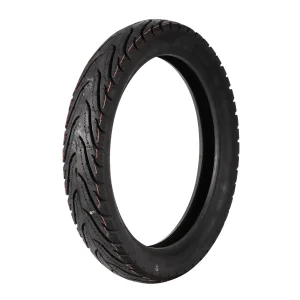
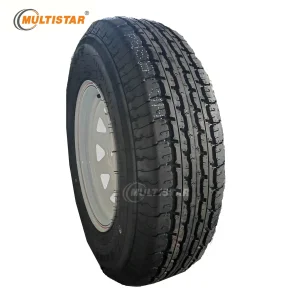

In the era of modern global logistics, the commercial transport sector faces an urgent dual mandate: maximizing legal load capacity while dramatically lowering operational overhead and carbon footprint. As central nodes in regional distribution networks, Light Commercial Vehicles (LCVs), medium-duty delivery trucks, and urban logistics fleets demand rim and tire assemblies designed to endure extreme cyclic stress, dynamic cornering forces, and harsh thermal cycles.
China has consolidated its status as the global epicenter for commercial wheel and tire production. Integrating metallurgical innovation, automated cold-roll forming, precision robotic laser welding, and advanced elastomer compound synthesis, top Chinese exporters deliver unprecedented value. Key technical metrics—such as unsprung mass reduction, radial runout tolerances below 0.4mm, and dynamic fatigue resistance exceeding 1,000,000 cycles—have established Chinese light truck wheel manufacturers as vital OEM and aftermarket partners for international fleets.
The commercial light truck industry is undergoing its most radical architectural pivot in decades. Driven by structural shifts in global supply chains, strict emission mandates, and last-mile delivery growth, wheel and tire engineering must adapt to novel torque profiles and load conditions.
Electric Light Commercial Vehicles deliver maximum torque at 0 RPM. Standard wheels suffer from rotational slip on the bead seat and accelerated structural fatigue around bolt circles (PCD). Advanced Chinese light truck wheel manufacturers now utilize heavy-duty bead seat knurling and forged A356.2 T6 aluminum alloys to mitigate rotational slip under high instant torque.
Urban delivery fleets execute over 150 start-stop cycles daily, generating extreme thermal accumulation in braking systems. This thermal energy transfers directly to the wheel rim and bead seat. Modern Chinese wheel design incorporates high-ventilation rim windows and heat-dissipating flow-formed channels to prevent thermal tire degradation.
Commercial procurement managers are shifting focus from initial capital expenditure to Total Cost of Ownership (TCO). Switching from heavy stamped steel rims to weight-optimized forged aluminum wheels reduces un-sprung vehicle weight by 30–45%, yielding fuel savings of 3–5% while extending brake liner lifecycle by up to 20%.
Achieving peak reliability under multi-axial payload stresses requires uncompromising material selection and manufacturing precision. Light truck wheels operate under continuous dynamic radial fatigue and cornering fatigue conditions. Below is a comparative technical matrix illustrating the material differences across leading commercial rim specifications.
| Performance Parameter | Cold-Rolled Steel (Q345B / SAPH440) | Cast Aluminum Alloy (A356.2) | Forged Aerospace Aluminum (6061-T6) |
|---|---|---|---|
| Tensile Strength (MPa) | 440 – 520 MPa | 240 – 280 MPa | 310 – 340 MPa |
| Yield Strength (MPa) | 305 – 345 MPa | 160 – 190 MPa | 275 – 290 MPa |
| Payload Rating Range (kg/wheel) | 1,200 – 2,500 kg | 850 – 1,400 kg | 1,500 – 3,200 kg |
| Unsprung Mass (16x6.0 inch) | ~16.5 kg | ~11.2 kg | ~9.4 kg |
| Thermal Conductivity (W/m·K) | 50 W/m·K | 150 W/m·K | 170 W/m·K |
| Cornering Fatigue Resistance | 100,000 cycles | 150,000 cycles | > 300,000 cycles |
The interaction between the wheel flange profile (J, JK, or HB contour) and the tire bead seat is fundamental to prevent air loss and rim slippage. Commercial light truck tires (ranging from 6PR, 8PR, up to 14PR radial ply ratings) feature high-tensile steel cord belts, reinforced apex rubber, and silica-enriched tread polymers. This ensures structural integrity under maximum load index conditions while reducing rolling resistance coefficient (RRC) to fulfill stringent global green freight standards.
Qingdao C-Max Tire Co., Ltd., established in 2023, is a forward-thinking enterprise specializing in the research, development, manufacturing, and global sales of high-performance tires and commercial wheel solutions. At C-Max, we are committed to driving innovation in tire technology, continuously developing products that meet the diverse needs of various road conditions, climates, and usage scenarios.
By utilizing internationally advanced raw materials and cutting-edge manufacturing processes, our engineering team ensures that every wheel and tire assembly excels in durability, wet grip, energy efficiency, and environmental sustainability. This commitment makes C-Max a primary partner for commercial vehicle fleets worldwide.
Our Mission: We aim to lead the industry in wheel and tire performance and sustainability, offering customers products that not only meet their highest expectations but also contribute to a greener, more efficient mobility future.
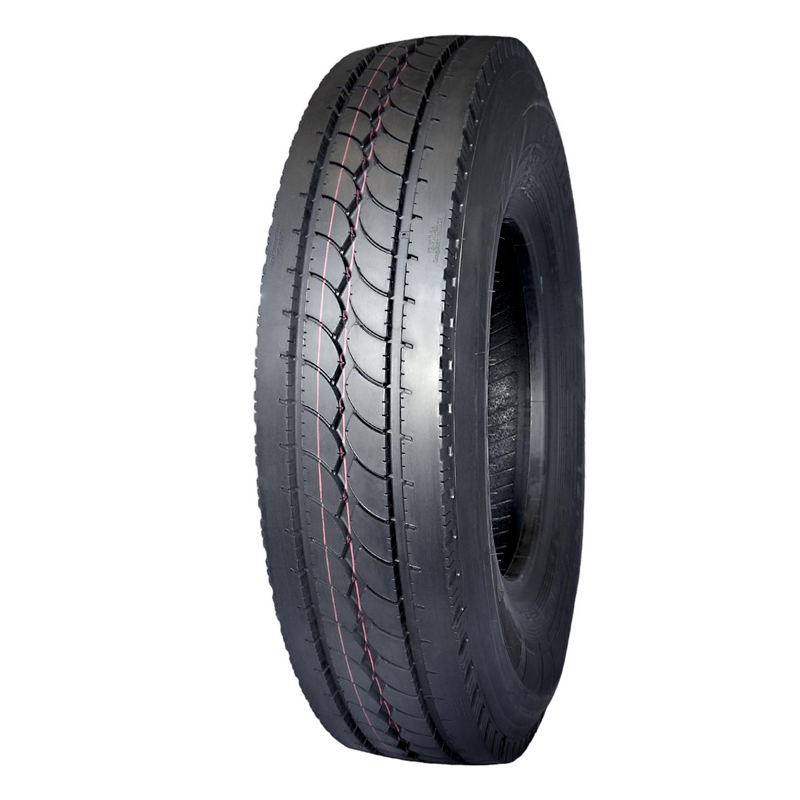
Our company takes pride in a world-class R&D team, with key engineers bringing over 15 years of specialized wheel and tire development experience. This wealth of knowledge ensures rapid prototyping, continuous compound refinement, and finite element stress analysis (FEA) for all wheel profiles.
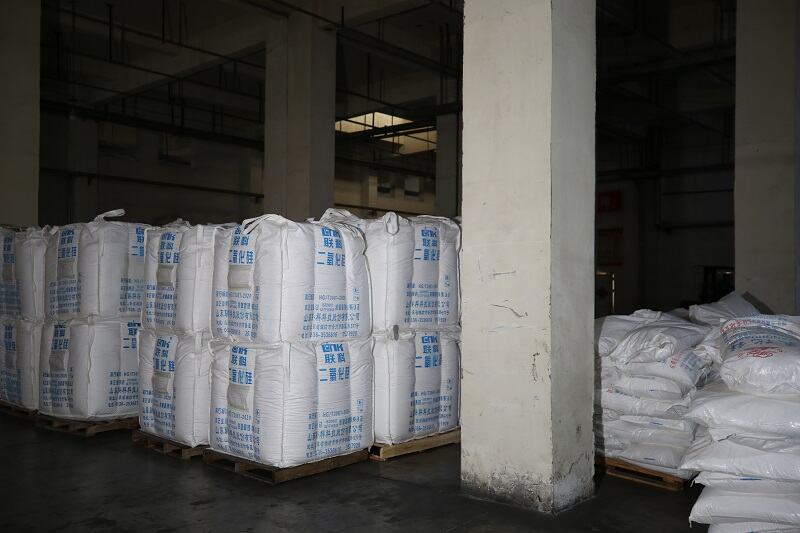
With an annual production capacity exceeding one million units, Qingdao C-Max Tire Co., Ltd. serves over 200 enterprise clients across more than 50 countries. Extensive warehousing networks guarantee prompt regional distribution and resilient supply chain logistics.
We are committed to minimizing the environmental impact of tire and rim manufacturing. By implementing zero-waste vulcanization, energy-efficient induction heat treatment, and eco-friendly compound formulations, C-Max leads the transition toward green automotive supply chains.
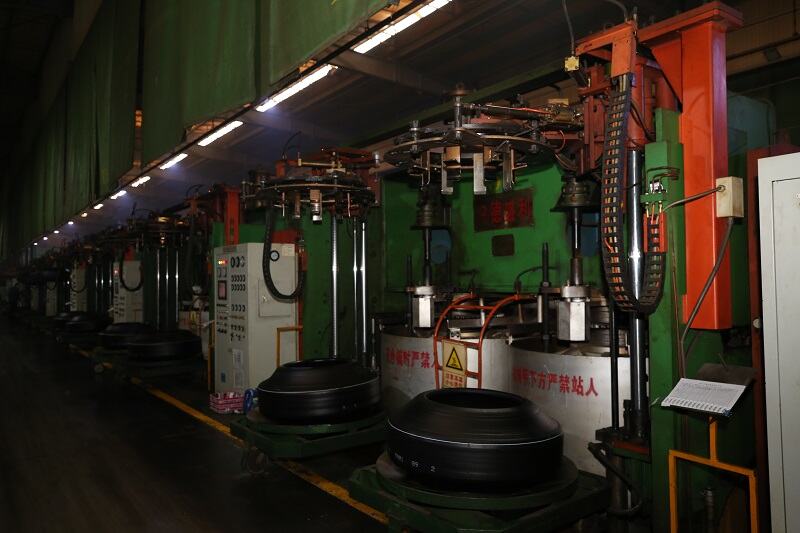
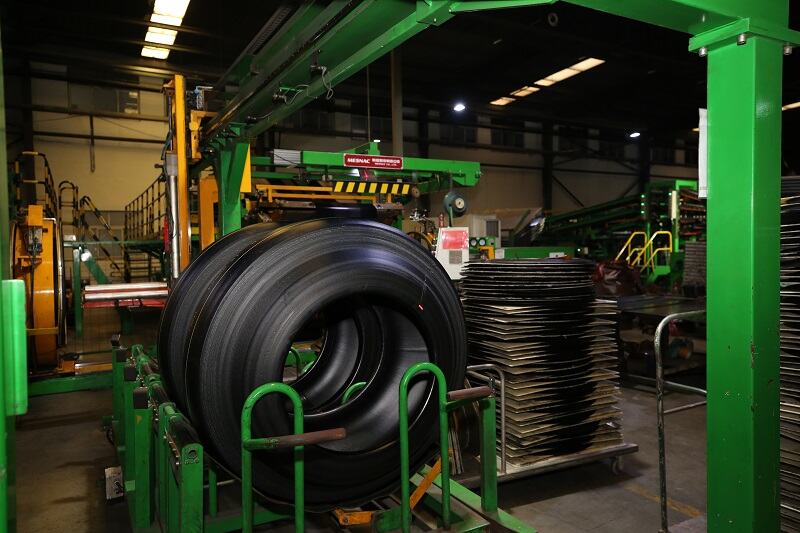
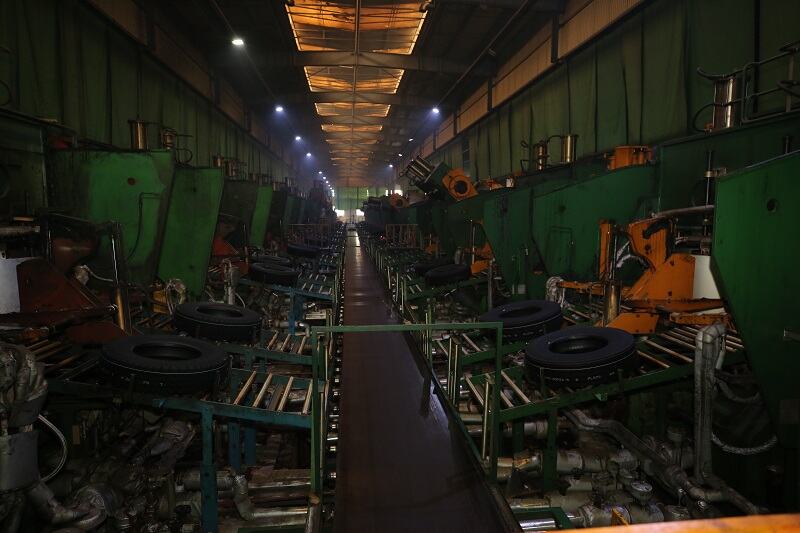
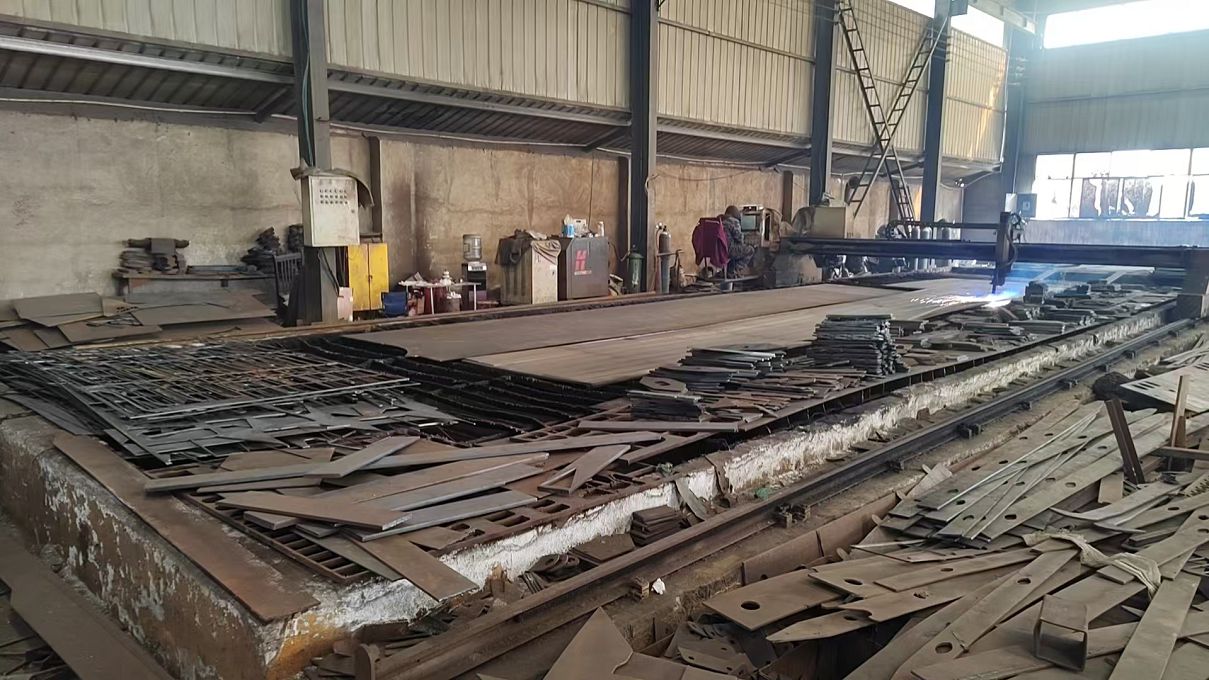
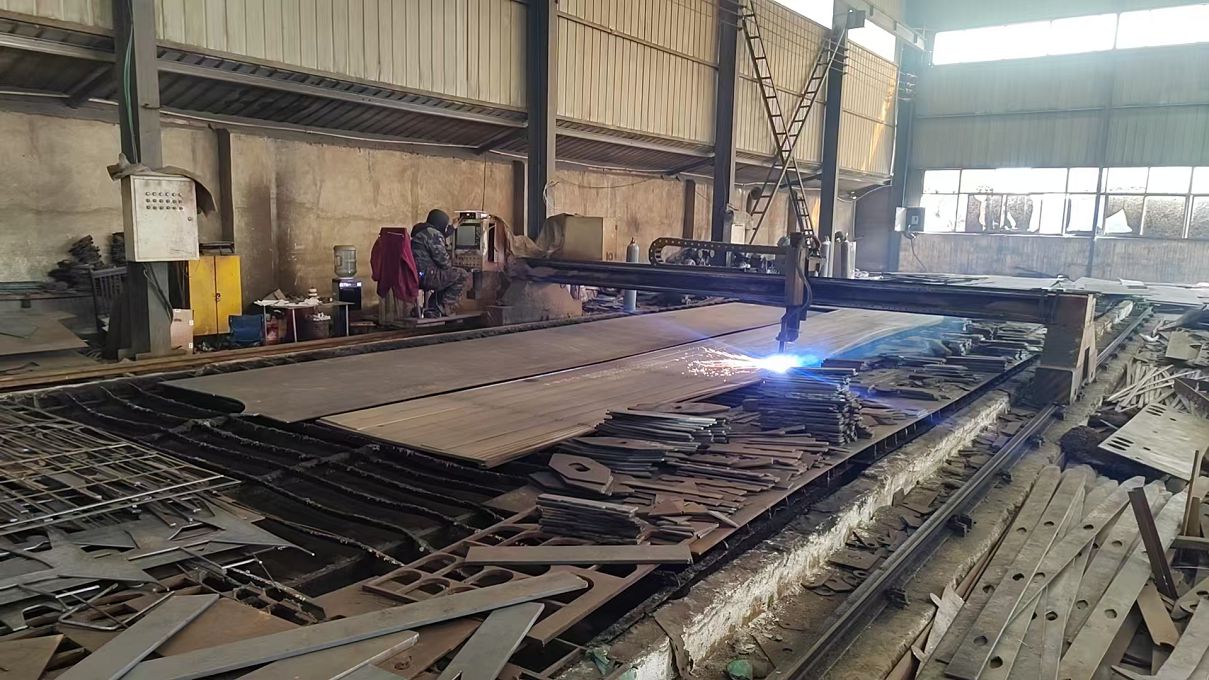
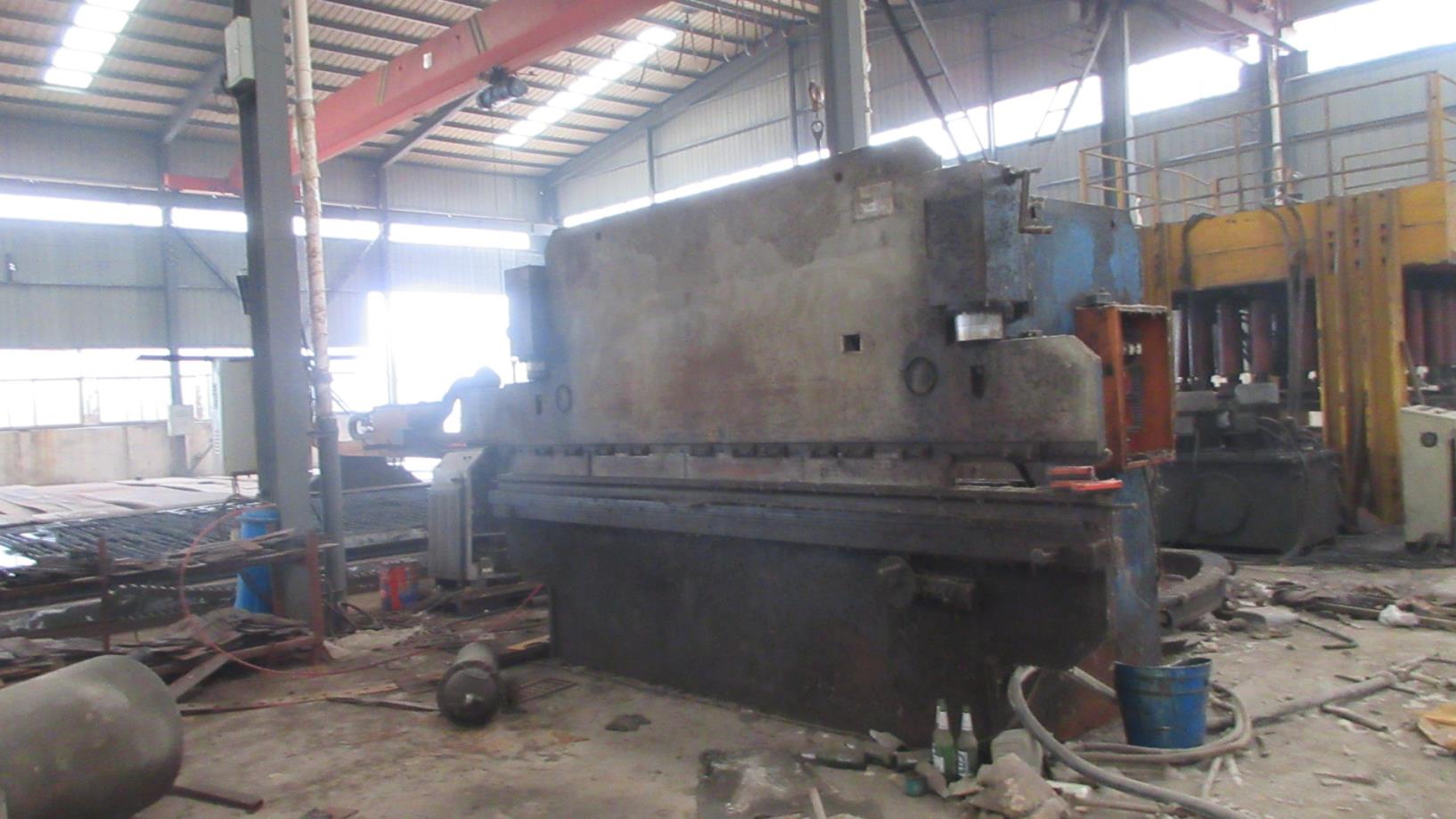
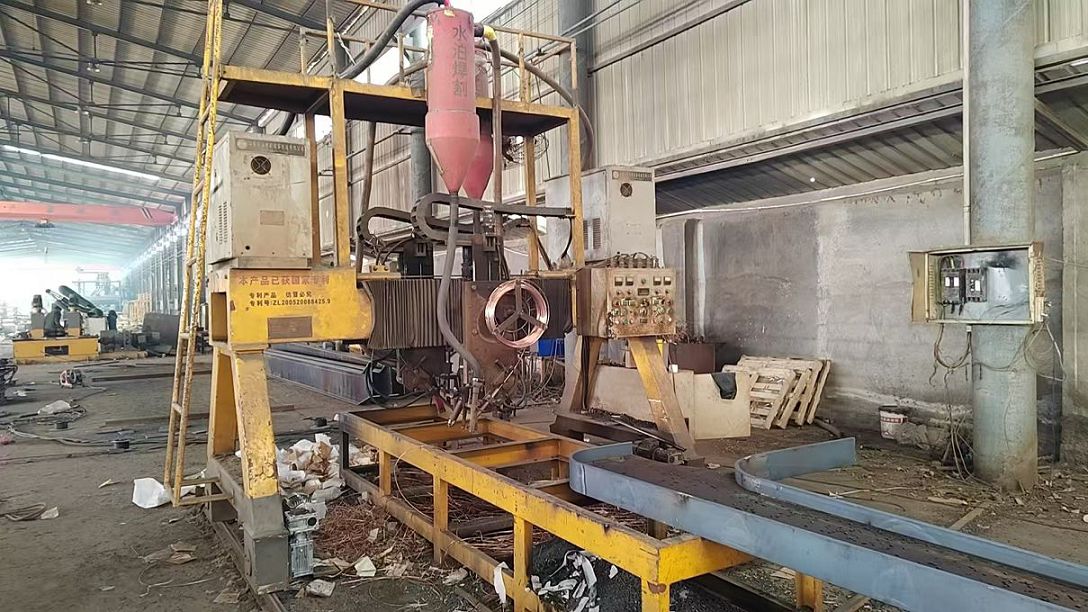
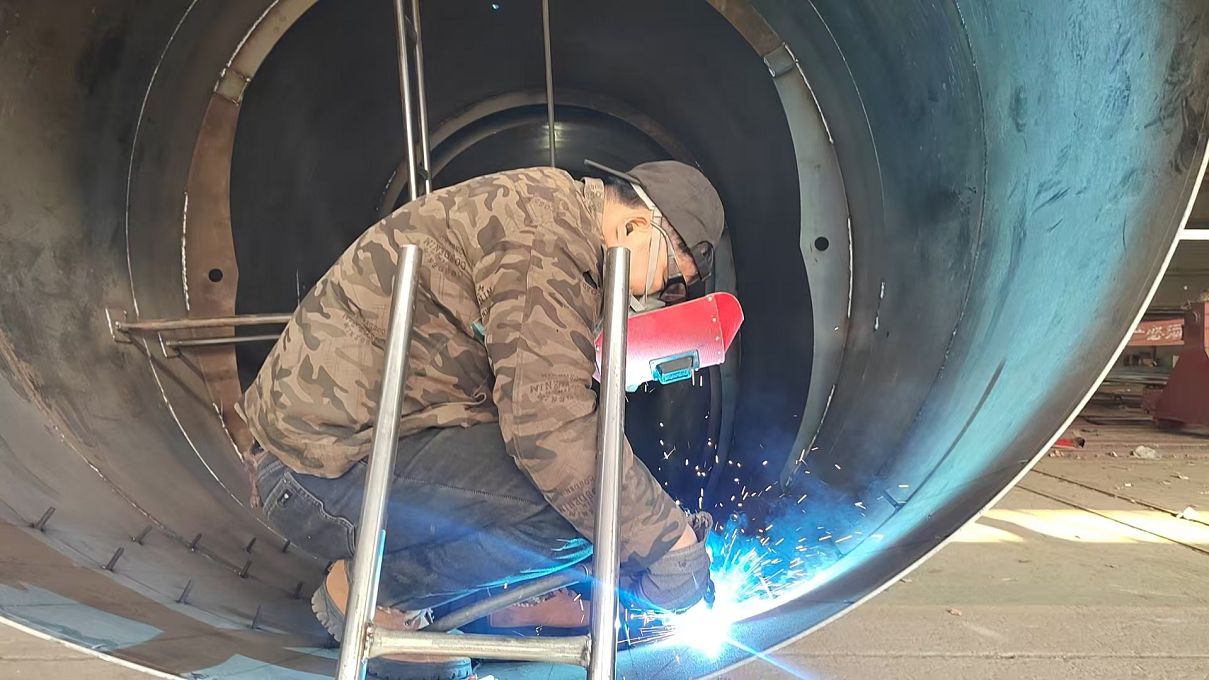
Our automated production lines integrate precision robotics, laser guided cutting, and multi-axis portal beam welding to deliver zero-defect wheel rim manufacturing:
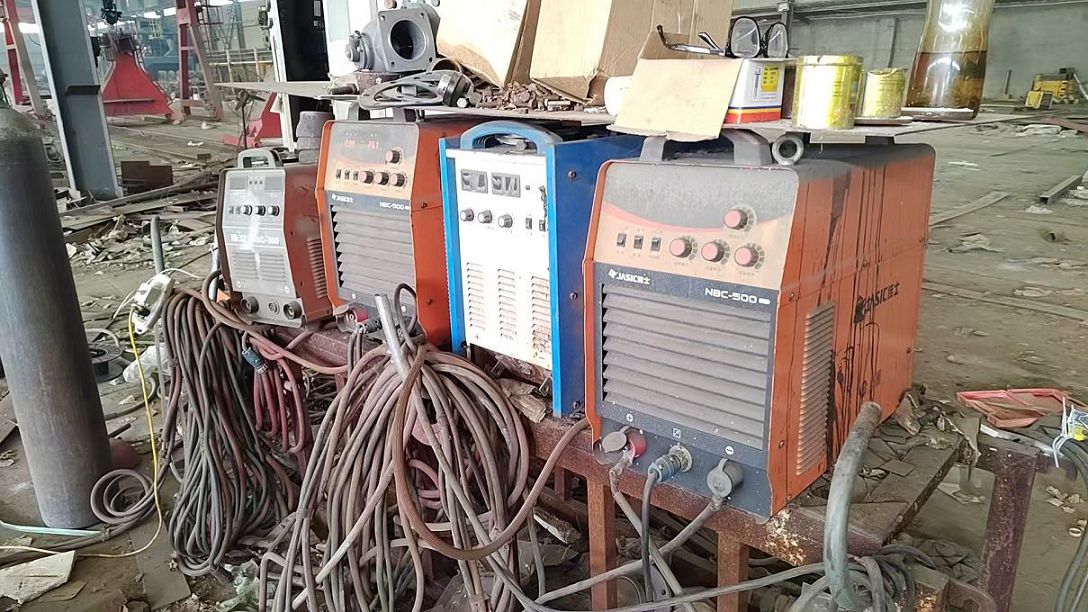
As light commercial vehicles undergo rapid modernization, engineering research and development at top Chinese manufacturing hubs centers around four pivotal technical trajectories:
Integration of passive RFID chips and continuous TPMS sensors directly within the wheel structure and tire inner liner. This provides real-time telemetry on internal pressure, bead temperature, and structural stress levels, preventing catastrophic blowout failures in commercial operations.
Advancements in functionalized synthetic polymers and nano-silica compounding allow commercial radial tires to achieve EU Grade A Rolling Resistance ratings. This results in direct energy consumption reductions for both internal combustion and battery-electric light commercial fleets.
Commercial light trucks face severe exposure to road de-icing salts, coastal humidity, and abrasive industrial environments. Top Chinese wheel exporters utilize multi-stage cathodic electro-deposition (KTL) topped with ultra-durable thermosetting powder coatings, exceeding 1,500 hours of neutral salt spray (NSS) testing.
Navigating international commercial vehicle markets demands strict alignment with multi-jurisdictional compliance protocols. Top Chinese light truck wheel manufacturers operate within rigorous Quality Management Systems (QMS) certified to ISO/IATF 16949 automotive standards.
Full compliance with U.S. Department of Transportation (DOT) registration and SAE J2530 standards for radial impact, dynamic cornering, and radial fatigue durability testing.
ECE R54 homologation covering load capacity and speed ratings for commercial vehicle tires, alongside TÜV structural wheel certifications across major European markets.
GSO certification ensuring thermal compound stability for extreme ambient heat operations in Gulf Cooperation Council countries, paired with SONCAP and INMETRO certifications for African and Latin American imports.
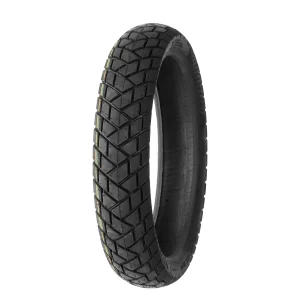
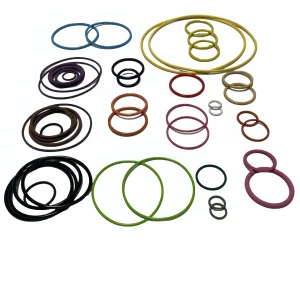
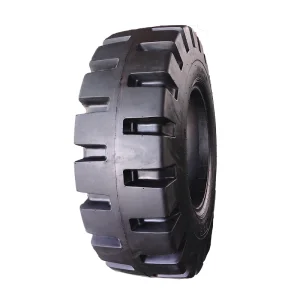
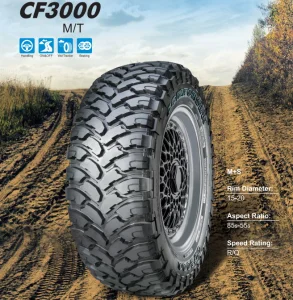
Browse our extensive inventory of light commercial tires, heavy-duty truck chassis, agricultural gearboxes, and specialized rubber components manufactured for international enterprise procurement.
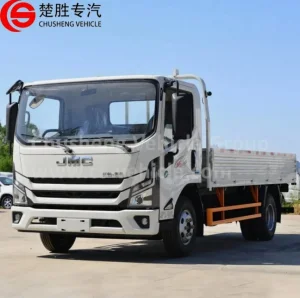
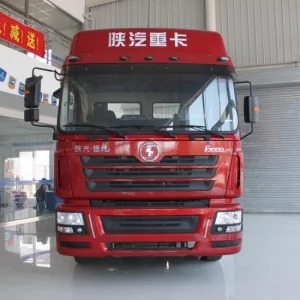
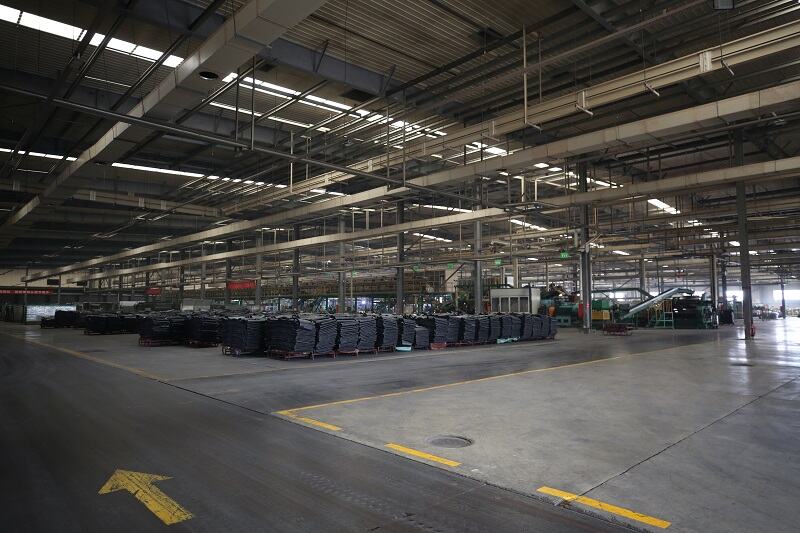
A visual overview of our advanced production lines, automated warehousing systems, and quality inspection hubs in Qingdao, China.