C-Max Tire
C-Max Tire
C-Max Tire
Premium solutions spanning heavy duty haulage, industrial instrumentation, outdoor protective gears, and special vehicle tires
How real-time data analytics, active TPMS sensors, and robust supply networks optimize heavy vehicle efficiency.
A modern Tire Management System (TMS) is an integrated IoT-based network combining hardware (TPMS valve-cap or patch sensors) and telemetry software to continuously track pressure, temperature, and wear patterns. Unlike standard consumer TPMS, heavy-duty commercial TMS analyzes historical performance curves, allowing logistics and mining managers to systematically schedule preventive maintenance, drastically reducing catastrophic road failures.
When global procurement agents and fleet operators search for TMS solutions, their core intent revolves around reducing Total Cost of Ownership (TCO). Operating costs scale aggressively when tires are under-inflated by even 10%, causing a 2.5% decrease in fuel efficiency and a 15% reduction in tire lifespan. Our system mapping focuses on delivering precise, data-rich parameters to satisfy this targeted technical intent.
To establish industry-grade authority, this analysis consolidates engineering specifications, production capabilities, and cross-border regulatory compliance benchmarks. By addressing high-level constraints like UNECE R141 standards, BLE sensor battery life curves, and cloud service GDPR compatibility, we build the ultimate technical resource for procurement engineers worldwide.
Established in 2023, Qingdao C-Max Tire Co., Ltd. is a forward-thinking enterprise specializing in the research, development, manufacturing, and global sales of high-performance tires. At C-Max, we are committed to driving innovation in tire technology, continuously developing products that meet the diverse needs of various road conditions, climates, and usage scenarios.
By utilizing internationally advanced materials and cutting-edge manufacturing processes, our world-class R&D team ensures that every tire we produce excels in durability, grip, energy efficiency, and environmental performance. This commitment makes C-Max a trusted choice for customers seeking reliable, high-quality tires.
"Our Mission: We aim to lead the industry in tire performance and sustainability, offering customers products that not only meet their highest expectations but also contribute to a greener, more efficient future."
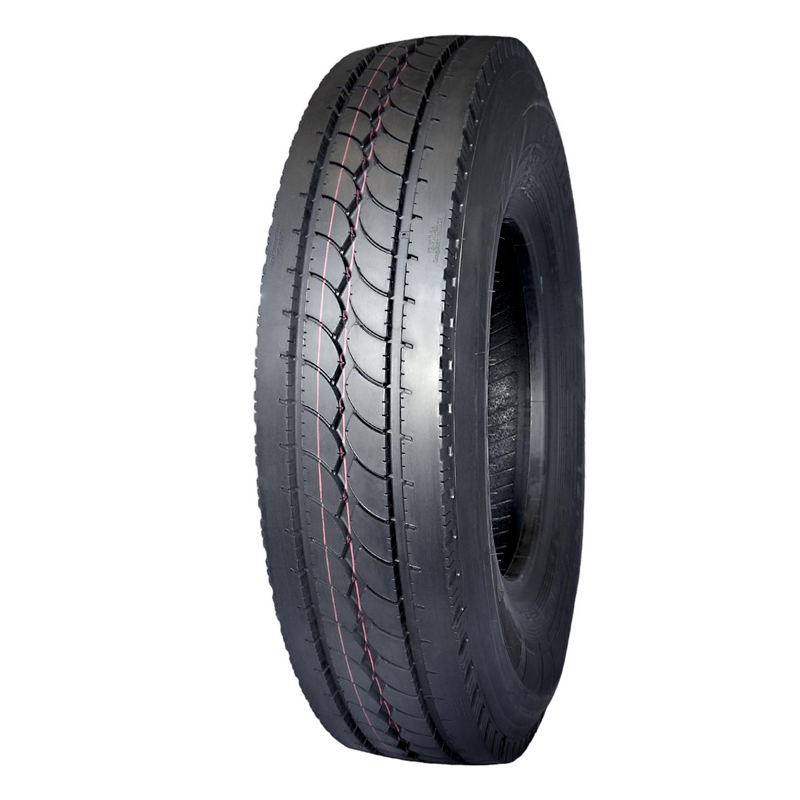
A deep dive into our engineering capabilities, heavy tooling infrastructure, and carbon footprint reduction strategies
Our company is proud to have a world-class R&D team, with each engineer bringing over 15 years of specialized tire development experience. This wealth of knowledge and expertise ensures that we not only maintain sustained product excellence but also innovate at an accelerated pace. From conceptualization to final production, our R&D team is constantly working to push the boundaries of tire technology, ensuring our customers always have access to the most advanced products on the market.
With an annual production capacity exceeding one million units, Qingdao C-Max Tire Co., Ltd. is equipped to meet the tire demands of customers around the world. We serve over 200 clients across more than 50 countries, with extensive warehousing capabilities ensuring timely delivery to every region. Our commitment to efficiency and quality enables us to fulfill large orders while maintaining consistency in product performance and delivery timelines.
At C-Max, we believe in the importance of sustainability. That's why we are committed to reducing the environmental impact of tire production. By using eco-friendly materials, optimizing manufacturing processes, and constantly refining our products for energy efficiency, we are helping pave the way for a cleaner and more sustainable future for the automotive industry.
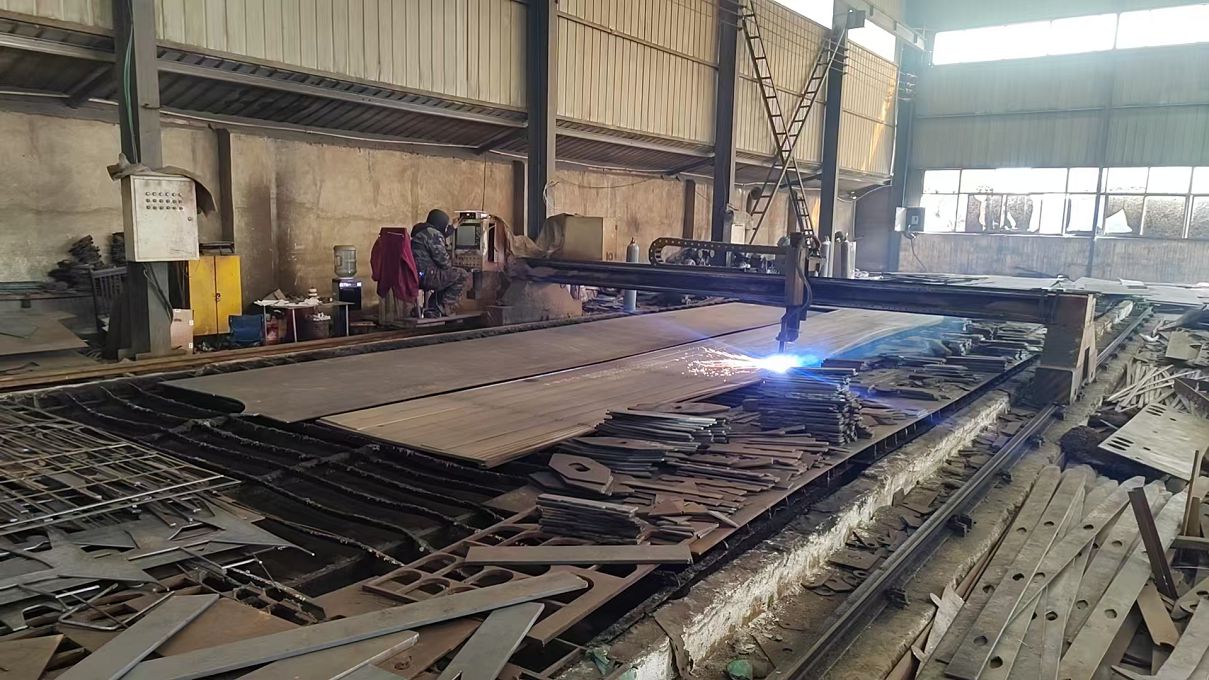
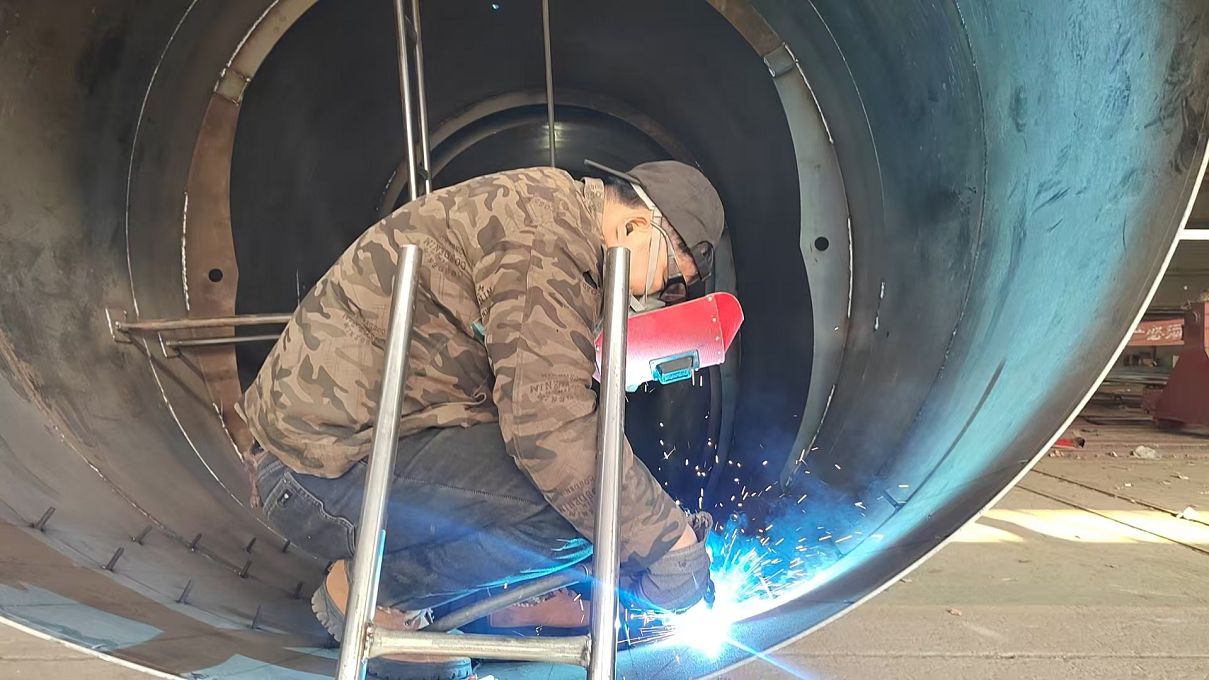
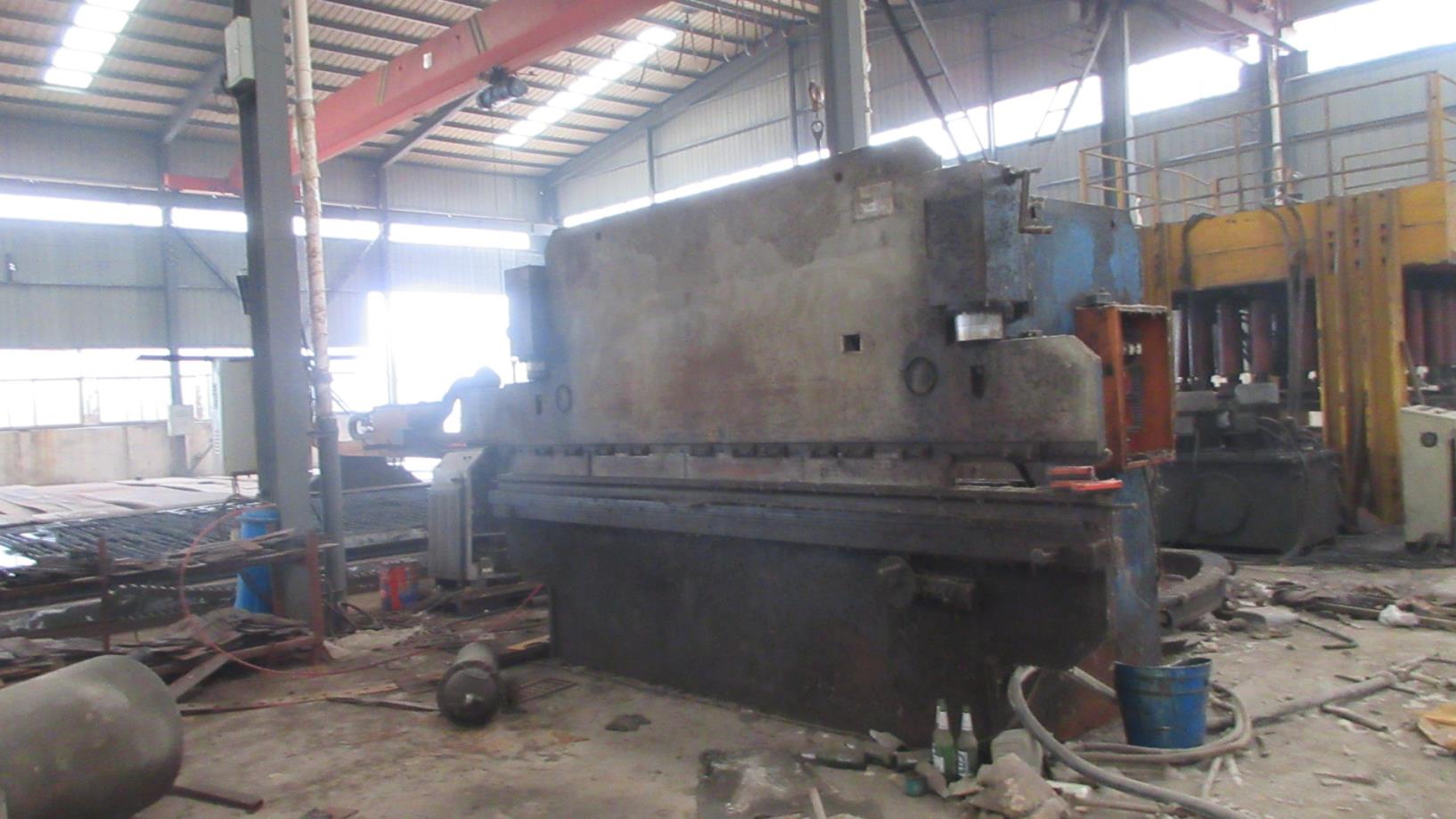
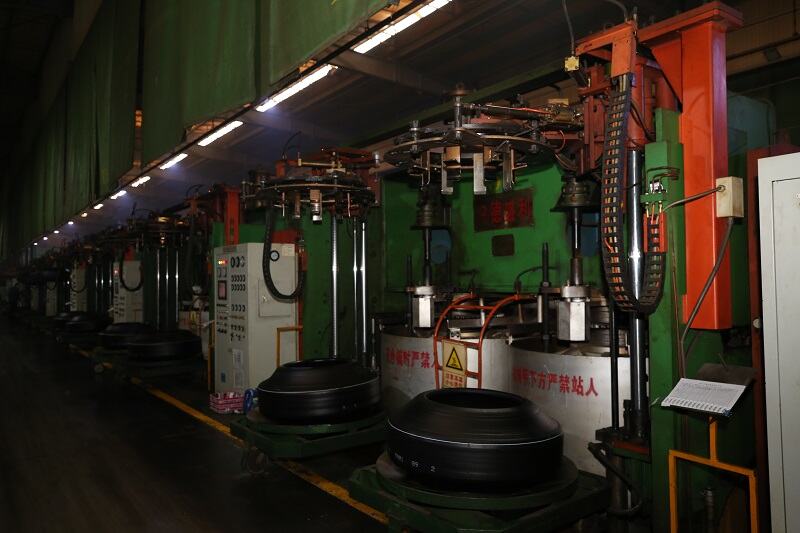
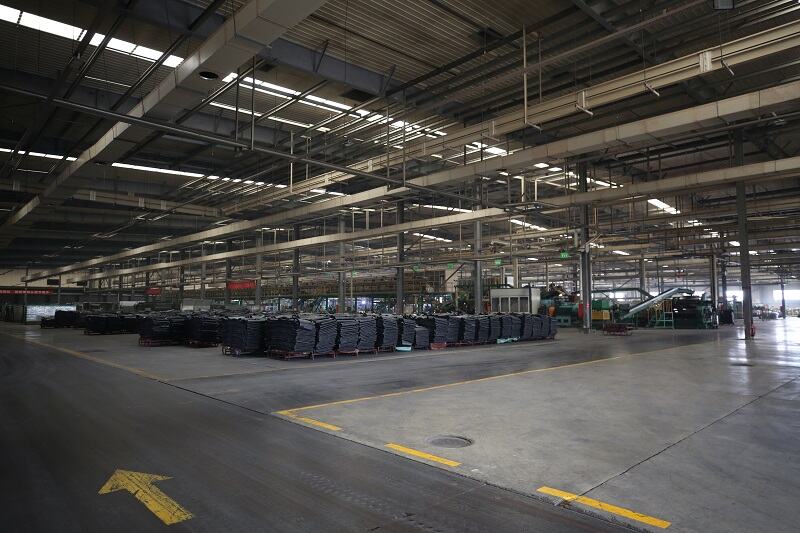
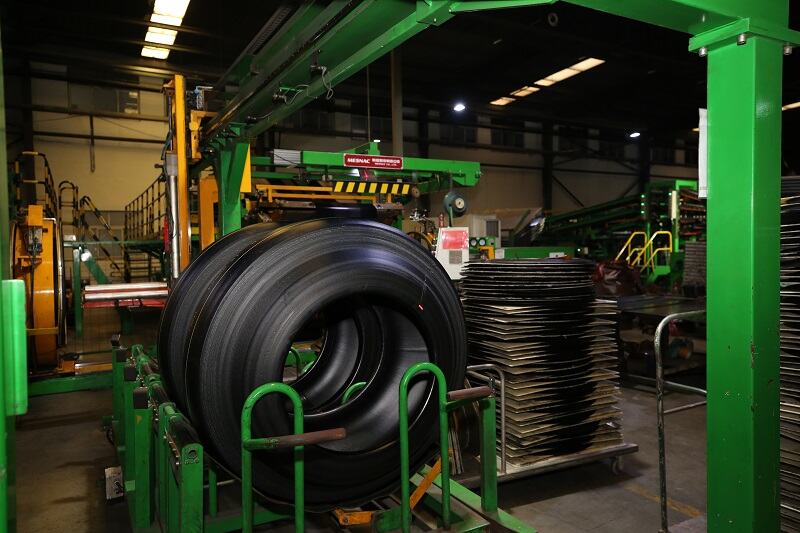
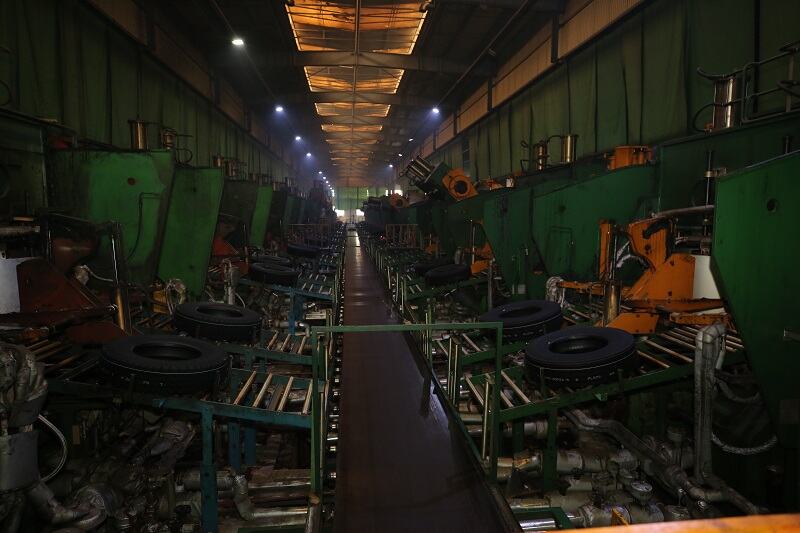
Why sourcing Tire Management Systems and heavy duty tires from Qingdao maximizes operational resilience
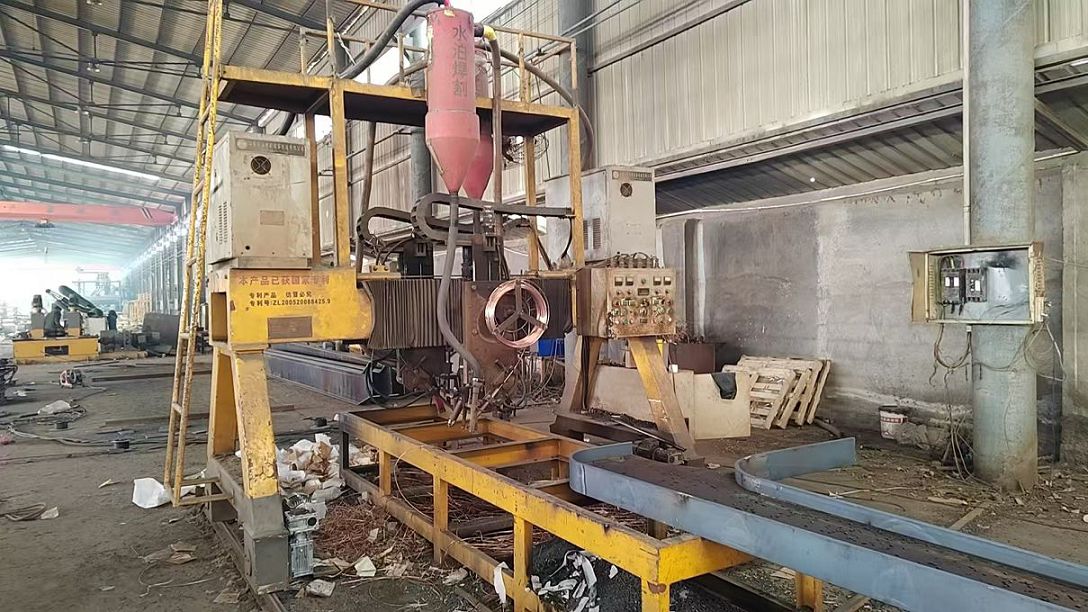
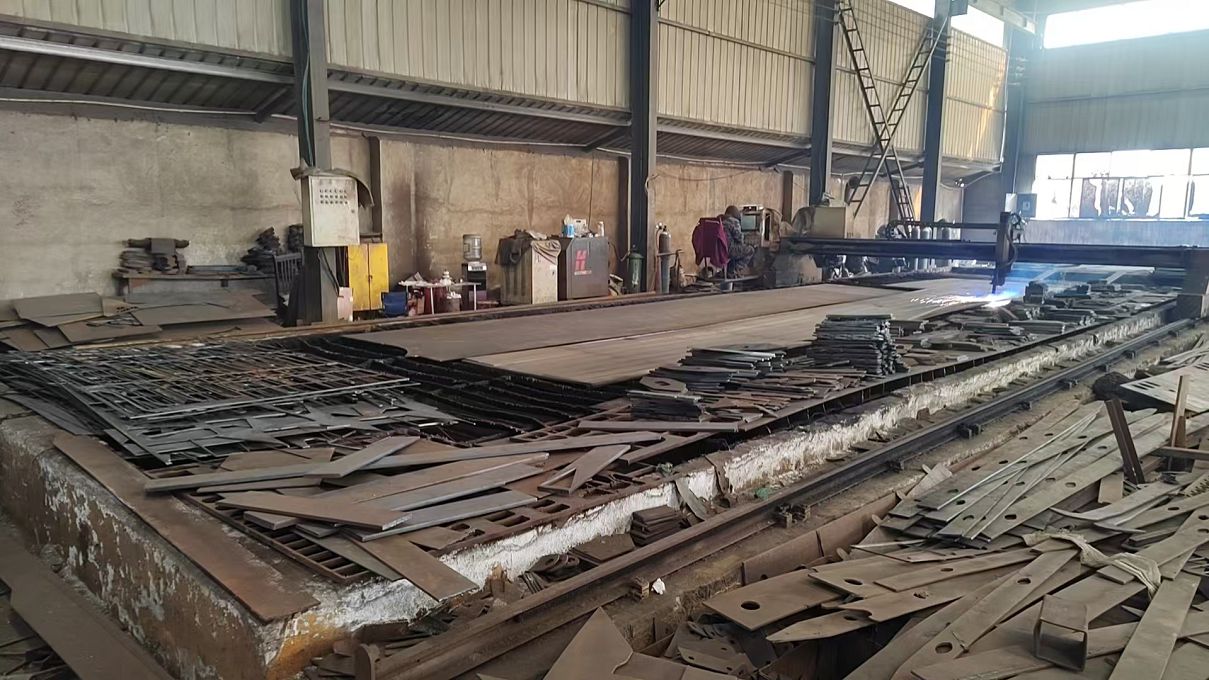
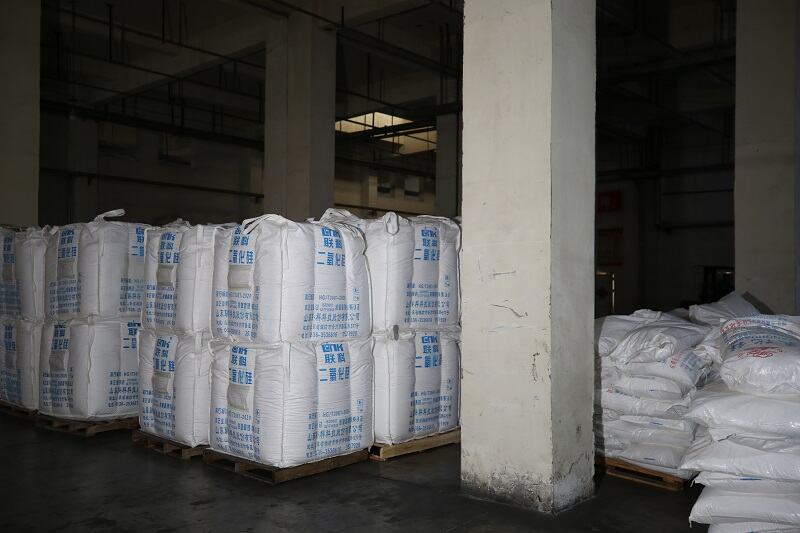
Qingdao represents the global epicenter of rubber synthesis and mechanical processing technologies. By locating our operations at the heart of this industrial cluster, Qingdao C-Max gains direct access to top-tier raw materials (natural rubber, high-tensile steel cord) and cutting-edge semiconductor fabrication lines. This geographic proximity compresses our production and component sourcing cycle by up to 35% compared to global competitors.
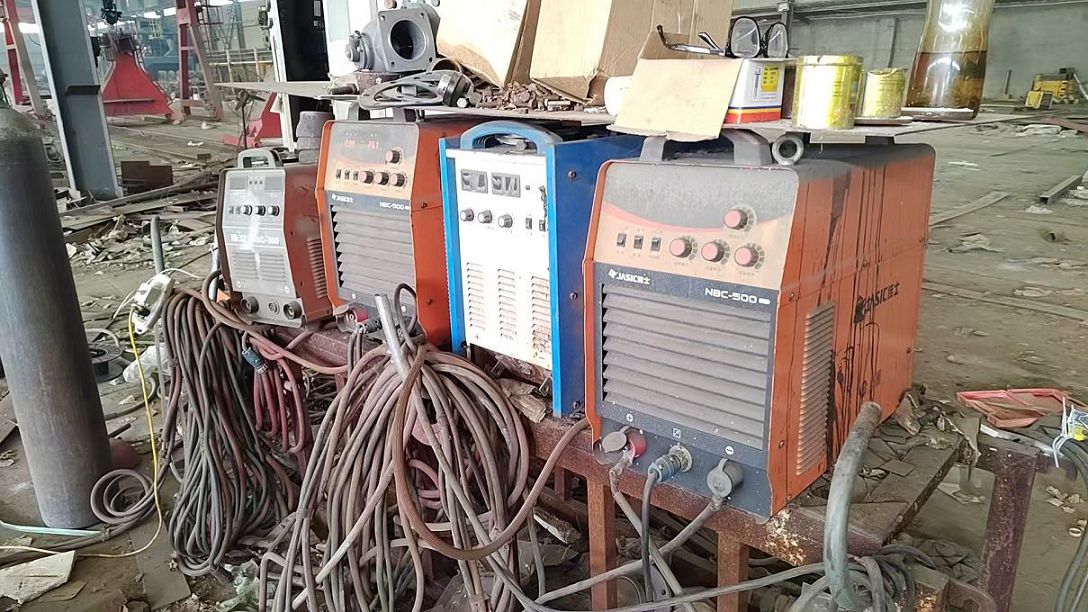
Leveraging highly automated assembly processes—ranging from robotic laser cutting systems to CNC bending cells—enables us to maintain tight dimensional tolerances and highly competitive pricing models. Chinese industrial supply lines allow rapid scaling from initial prototype validation to large-scale fleet deployments, giving procurement managers massive flexibility.
Qingdao Port, ranking among the top five globally in container throughput, provides immediate links to major shipping corridors. Direct containerization reduces overland transit stress, safeguarding electronic tracking units, sensors, and heavy radial tires. This structural logistics advantage guarantees that our lead times remain highly predictable.
How we ensure seamless deployment, telemetry data security, and localized technical training
Operating telematics hardware globally requires strict compliance with local radio frequency standards. C-Max products and integrated sensors meet all CE, FCC, E-mark, and RoHS standards. Our active Bluetooth (BLE) and sub-GHz RF transmitters conform to international emission criteria, ensuring no electromagnetic interference with vehicle control buses.
Enterprise TMS deployment generates vast streams of fleet tracking and geospatial data. C-Max integrates secure API gateways that comply with GDPR (General Data Protection Regulation) requirements. We provide flexible server architecture setups, allowing data storage in local data warehouses, preventing cross-border tracking liabilities.
Hardware is only as reliable as its local field support. C-Max collaborates with regional distributors and local heavy equipment service garages to supply pre-calibrated sensors, specialized mounting tools, and hands-on maintenance training. Our localization framework helps fleets achieve up to 99.8% sensor availability.
Analyzing next-generation predictive modeling, harsh mining deployments, and high-frequency cold chain logistics
The industry is rapidly shifting from passive pressure alerts to AI-powered predictive wear models. By running pressure fluctuation and thermodynamic data through edge algorithms, modern platforms estimate a tire's remaining mileage with up to 92% accuracy, allowing operators to plan retreading schedules long before fabric fatigue occurs.
Directly embedding RFID chips into a tire's carcass during vulcanization has emerged as a major trend. Unlike external sensors that risk being scraped off, internal RFID tags offer permanent tracking from the curing line to the recycling yard, establishing a clean, immutable history of retreads and casing repairs.
Off-the-Road (OTR) tires used in open-cast mines operate under extreme torque, heavy loads, and jagged terrain. A puncture on a 400-ton haul truck can halt operations for hours, costing tens of thousands of dollars. An integrated TMS provides instant pressure and heat tracking, preventing catastrophic washouts in harsh, remote environments.
For long-haul freight operations moving across vast highway networks, fuel efficiency dictates profit margins. Real-time tire management ensures all tractor-trailer wheel assemblies run at ideal pressures, cutting rolling resistance and reducing average fuel consumption by 4% to 6% per trip.
In-depth insights regarding sensor battery lifespans, API integration, and calibration protocols
Broaden your procurement checklist with our heavy tractor radial tires, cargo chassis components, and utility vehicles