C-Max Tire
C-Max Tire
C-Max Tire
Explore our curated selection of heavy-duty, high-performance radial tires, commercial transit vehicles, and specialized mining tire options designed for peak operating safety and maximum tread life.
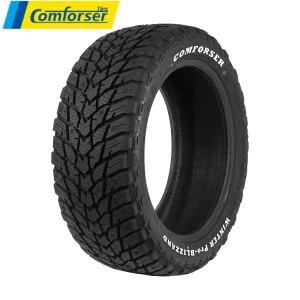
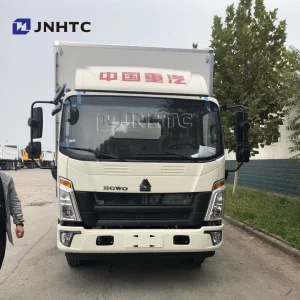
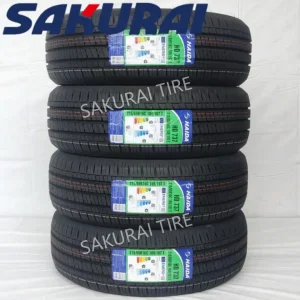
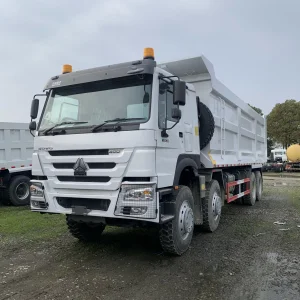
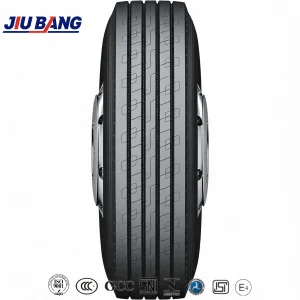
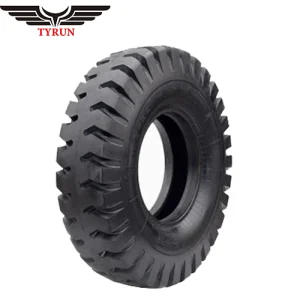

Retreading—often referred to as "re-capping"—is no longer a simple cost-cutting alternative; it is an optimized engineering science at the absolute center of the global commercial transport infrastructure. Top trusted retread tires manufacturers rely on high-integrity casings to carry out a comprehensive remanufacturing sequence that matches the performance profile of brand-new tier-one tires. This technology allows fleet managers to extract up to 300% more service life from their original casing investment.
By preserving the structure of the tire casing—which constitutes approximately 70% of the total raw material cost and energy footprint of tire manufacturing—retreading achieves remarkable reductions in petroleum usage, carbon dioxide emissions, and steel consumption. A single commercial truck retread tire saves roughly 15 gallons of oil compared to the production of a new tire, translating directly to massive scope-3 carbon reductions for heavy transport enterprises.
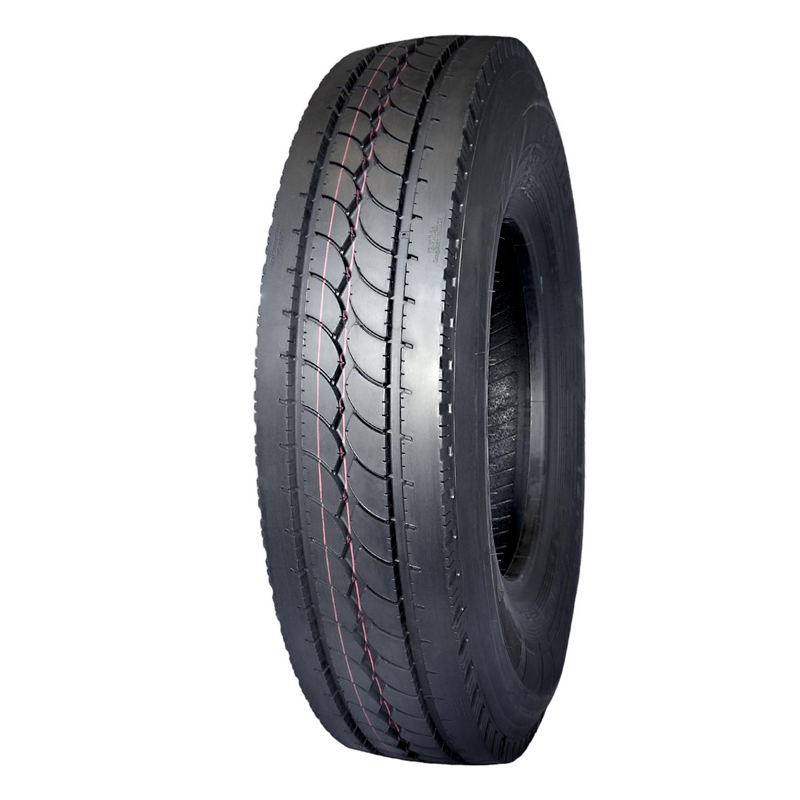
Understanding the core methodologies used by top trusted retread tires manufacturers is vital for procurement heads evaluating long-term contract options. The industry relies primarily on two main thermal-vulcanization processes:
In pre-cure retreading, a pre-vulcanized tread strip featuring the molded pattern is wrapped around a buffed, prepared casing using an uncured bonding cushion gum. The tire is then placed inside a flexible rubber envelope and cured within a vulcanization chamber (typically at temperatures around 100°C to 125°C).
This method is highly flexible, ideal for multi-brand casings, and prevents excessive thermal fatigue of the steel cords because curing temperatures remain relatively low.
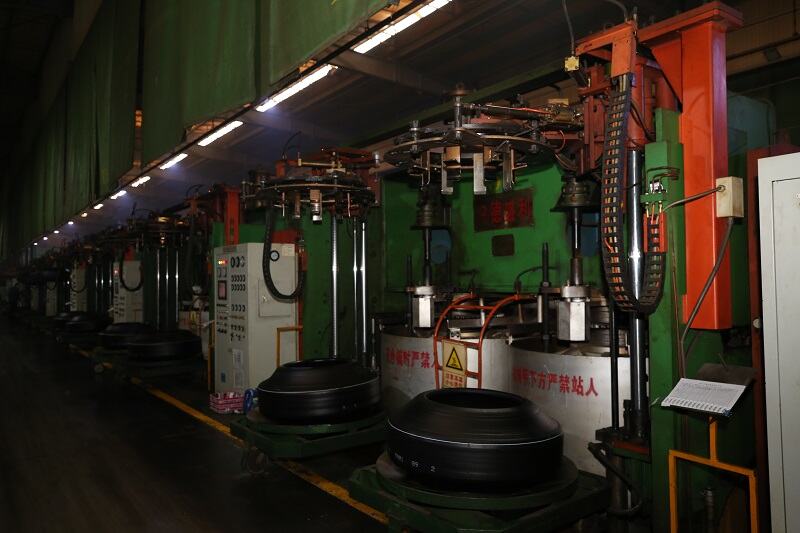
Mold-cure retreading is analogous to the manufacturing process of a brand-new tire. Uncured tread rubber is applied to the prepared casing, and the entire assembly is loaded into a rigid steel tread mold. Curing heat (exceeding 150°C) and pressure are applied from the inside and outside.
The mold-cure process results in a seamless tread-to-shoulder transition, which offers superior resistance to lateral scrubbing and is highly valued in demanding city-transit and off-road applications.
Both processes require rigorous initial diagnostic testing. Casing integrity is tested using Shearography—a non-destructive optical laser measurement technique that detects minute sub-surface air bubbles, separations in the ply structures, or broken steel belts. Without shearing analysis, retreading risks highway delamination.
In the logistics, construction, and mining industries, tires represent the second-largest operating cost after fuel. Procurement officers at multinational fleets utilize a strategic calculation known as Total Cost of Ownership (TCO) or Cost Per Kilometer (CPK) rather than simple initial purchase price. The math is clear:
When evaluating global tire manufacturers, procurement teams prioritize supply chain stability, compound chemistry customization, and compliance certifications. Certified retreaders must comply with stringent regulations, such as ECE R109 in Europe (which dictates rigorous testing standards equivalent to new commercial tire requirements) and FMVSS/DOT rules in the United States. Retreaded tires that lack transparent traceability systems are rejected by modern digital fleet management networks.
The Chinese tire manufacturing sector has undergone a massive transformation, moving away from labor-intensive manual operations toward highly automated, data-driven "Factory 4.0" systems. This structural shift has resolved historical inconsistencies in casing manufacturing and tread vulcanization, positioning Chinese plants as primary partners for global commercial operations.
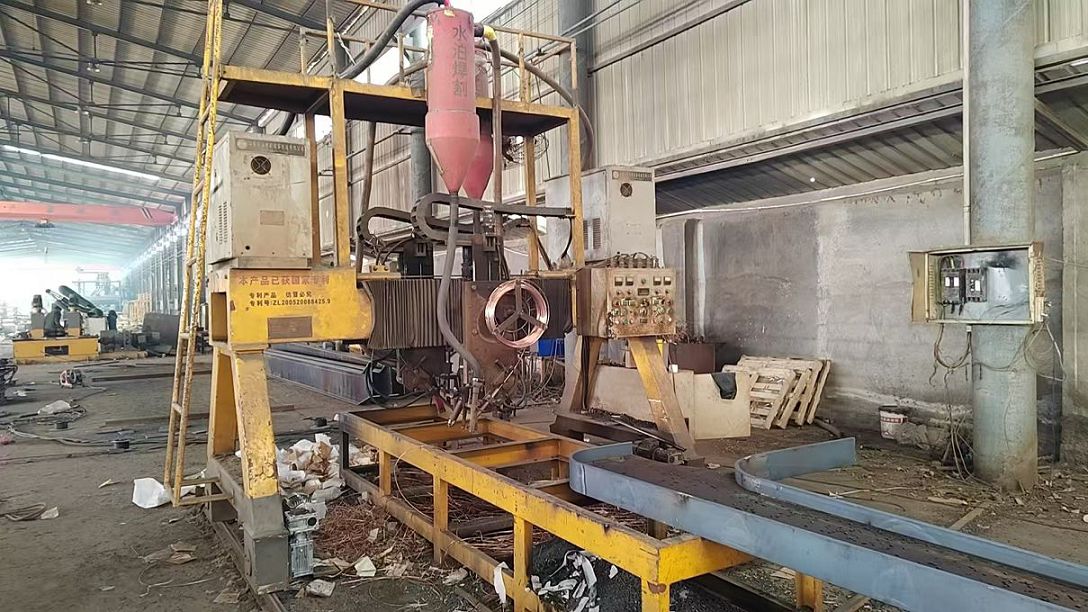
By integrating Artificial Intelligence (AI) and automated optical checking directly into the production line, factory errors are virtually eliminated. Advanced steel cord tensioners, laser cutters, automated bending machines, and robotic portal beam welding systems (such as those employed in C-Max partner facilities) ensure that tire casings are constructed with exact uniformity.
This high precision in the initial casing manufacturing phase is crucial because it determines whether a tire casing can survive multiple retreading runs. A casing that retains structural shape and escapes uneven radial strain can be retreaded three to four times, saving heavy transport companies thousands of dollars in capital expenses over the vehicle's lifecycle.
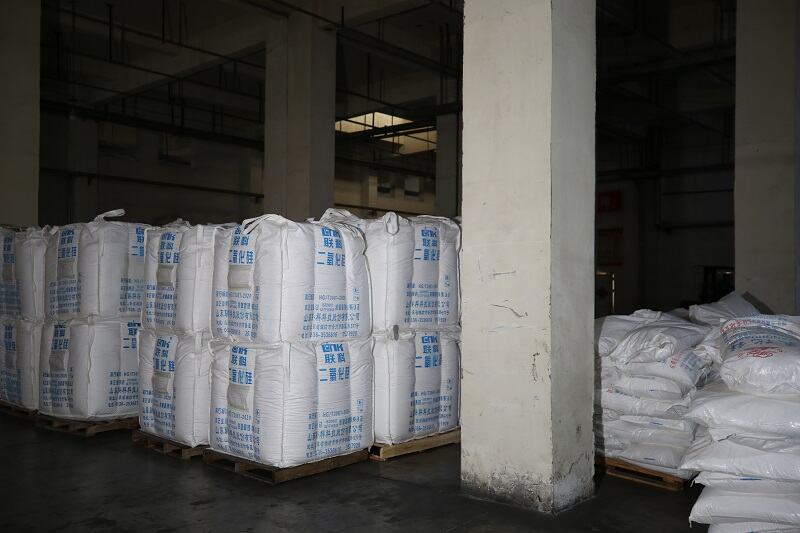
Tire engineering must adapt to specific operational environments. From freezing alpine passes to scorching open-pit mines, selecting the correct retread tread pattern and rubber compound is critical to safety and cost reduction.
Long-haul highway driving requires minimal rolling resistance and uniform wear patterns to maximize fuel economy. Low-rolling-resistance retreads feature specialized compounds designed to minimize heat generation during long, uninterrupted periods of driving at highway speeds.
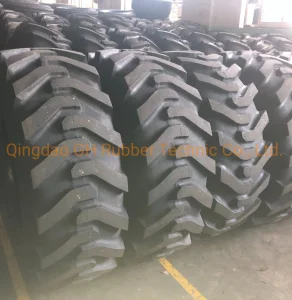
Off-the-road (OTR) and mining applications subject tires to sharp rocks, steep grades, and heavy loads. For these conditions, heavy-duty tread compounds with cut-and-chip resistant properties are critical. Mold-cure processes are preferred here due to their structural robustness.
Frequent stops, tight turns, and curb scraping characterize municipal transport. Retread tires for urban buses require reinforced sidewalls (frequently utilizing protective indicator ribs) and high-scrub rubber compounds to prevent casing failure from curb friction.
Qingdao C-Max Tire Co., Ltd., established in 2023, is a forward-thinking enterprise specializing in the research, development, manufacturing, and global sales of high-performance tires. At C-Max, we are committed to driving innovation in tire technology, continuously developing products that meet the diverse needs of various road conditions, climates, and usage scenarios. By utilizing internationally advanced materials and cutting-edge manufacturing processes, our R&D team ensures that every tire we produce excels in durability, grip, energy efficiency, and environmental performance. This commitment makes C-Max a trusted choice for customers seeking reliable, high-quality tires.
We aim to lead the industry in tire performance and sustainability, offering customers products that not only meet their highest expectations but also contribute to a greener, more efficient future.
Our company is proud to have a world-class R&D team, with each engineer bringing over 15 years of specialized tire development experience. This wealth of knowledge and expertise ensures that we not only maintain sustained product excellence but also innovate at an accelerated pace. From conceptualization to final production, our R&D team is constantly working to push the boundaries of tire technology, ensuring our customers always have access to the most advanced products on the market.
With an annual production capacity exceeding one million units, Qingdao C-Max Tire Co., Ltd. is equipped to meet the tire demands of customers around the world. We serve over 200 clients across more than 50 countries, with extensive warehousing capabilities ensuring timely delivery to every region. Our commitment to efficiency and quality enables us to fulfill large orders while maintaining consistency in product performance and delivery timelines.
At C-Max, we believe in the importance of sustainability. That’s why we are committed to reducing the environmental impact of tire production. By using eco-friendly materials, optimizing manufacturing processes, and constantly refining our products for energy efficiency, we are helping pave the way for a cleaner and more sustainable future for the automotive industry.
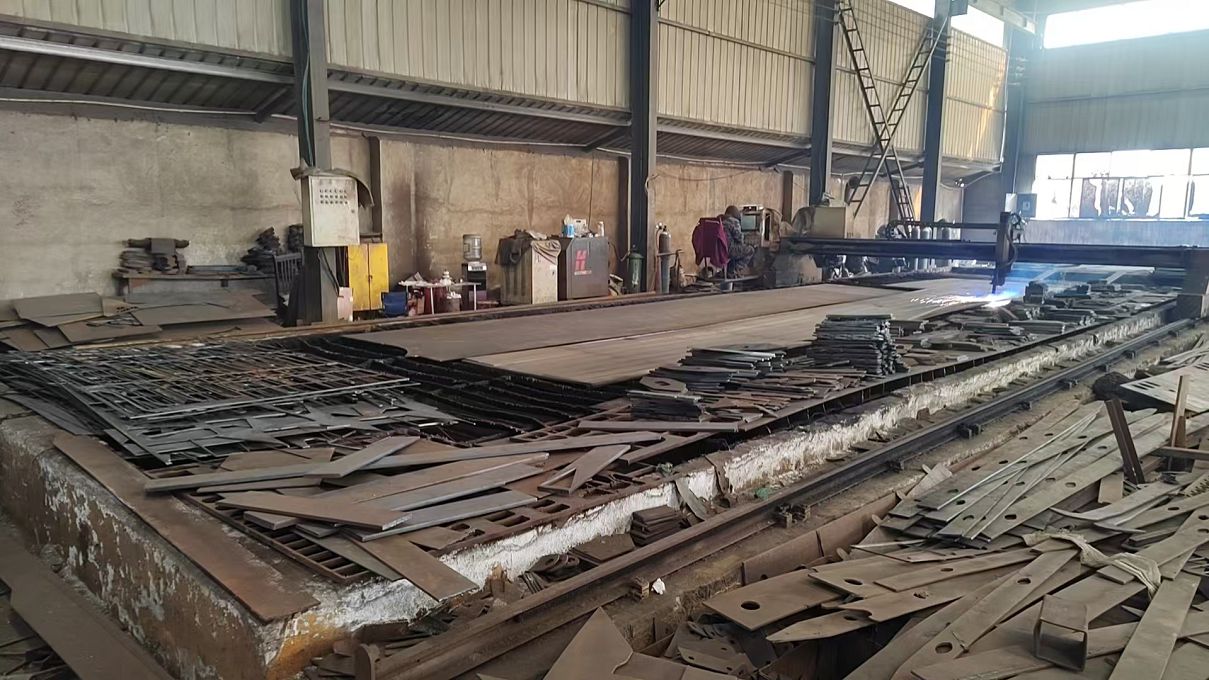
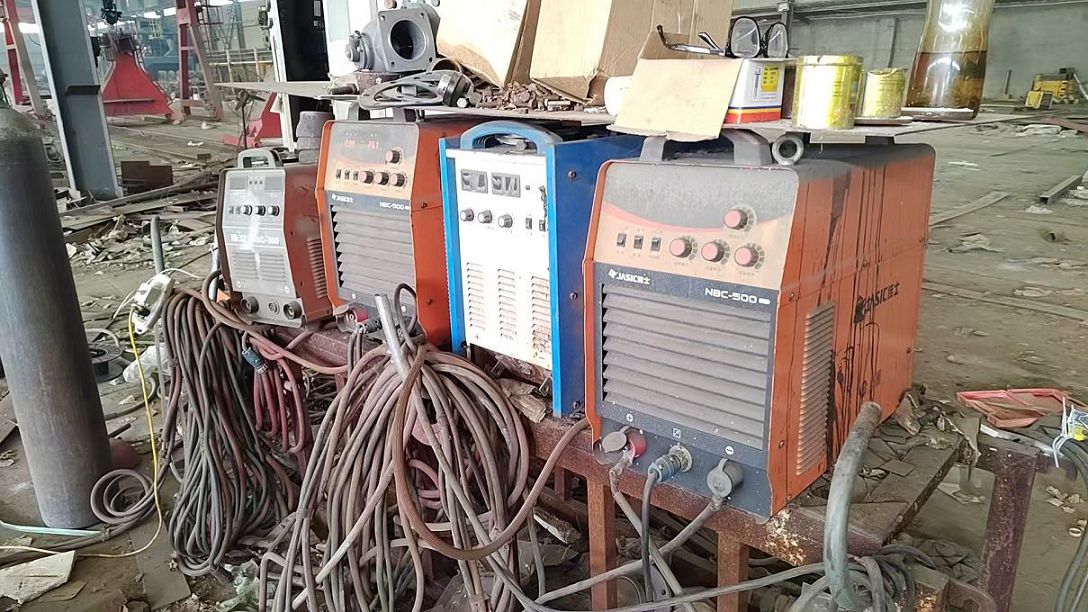
We invest heavily in state-of-the-art production machinery. Below is an inside look at our specialized tooling, fabrication systems, and processing machinery that ensure precision engineering across all products.
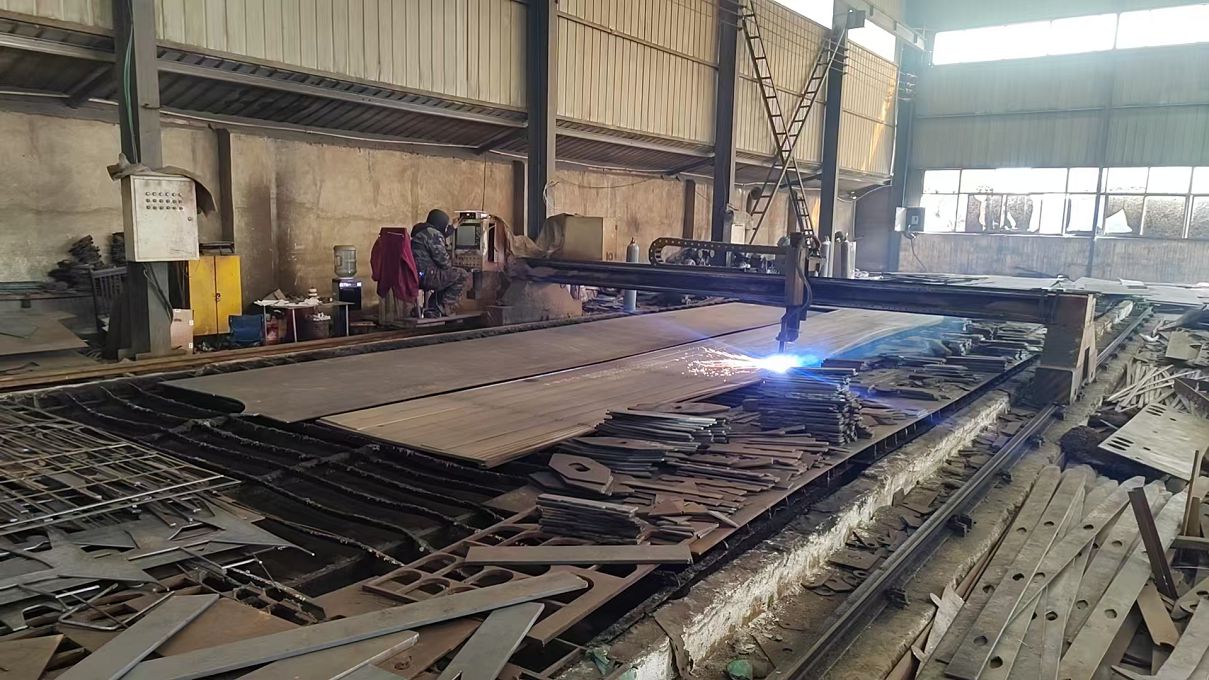
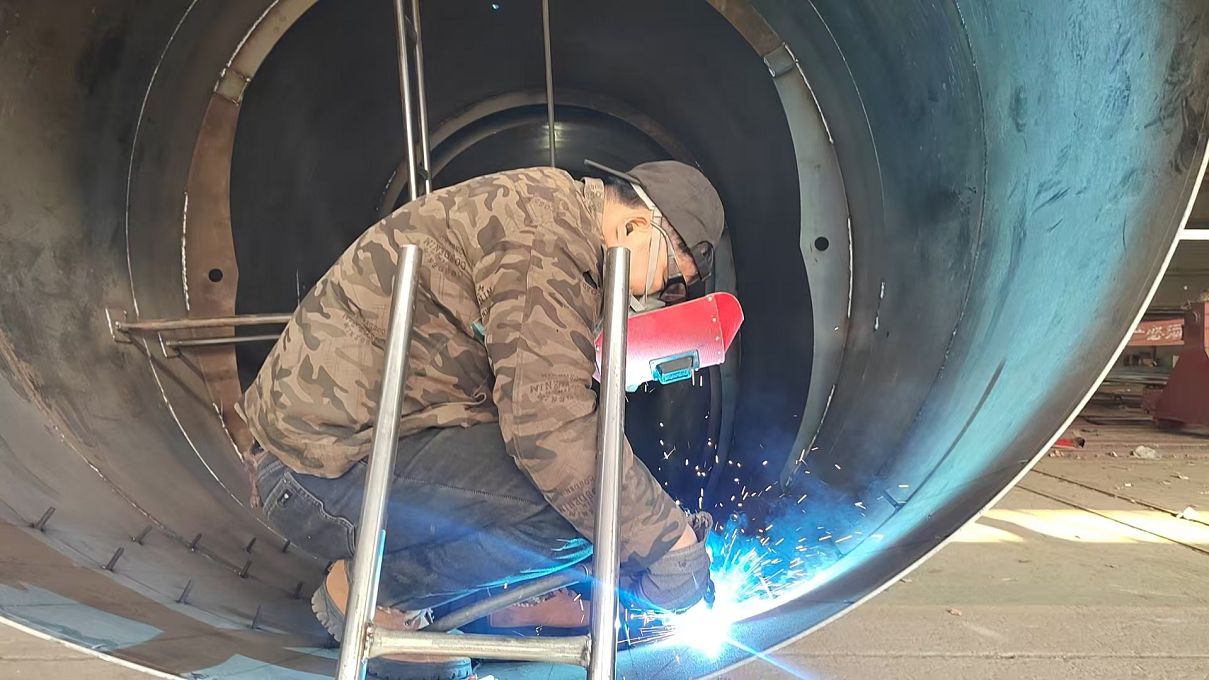
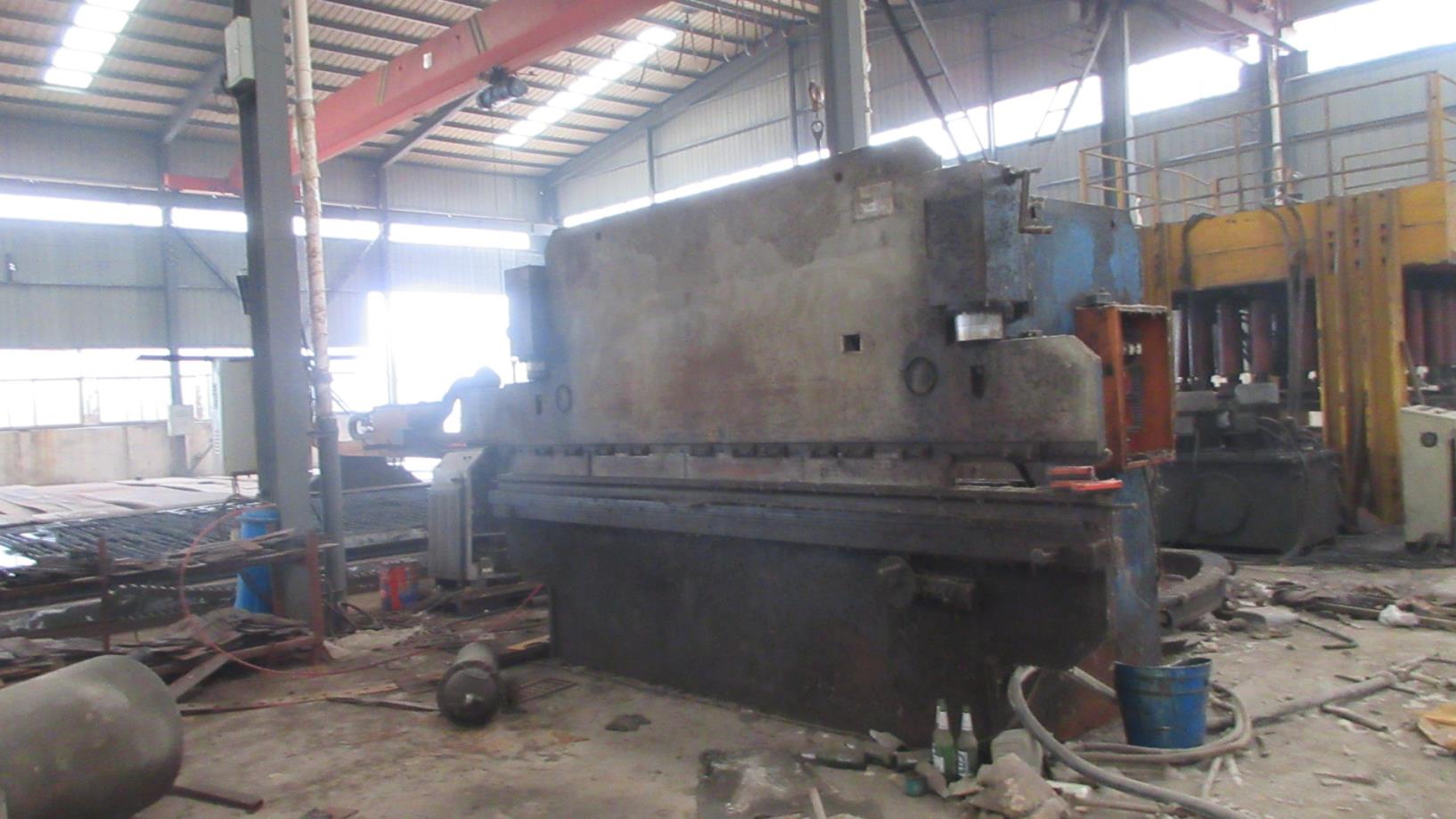
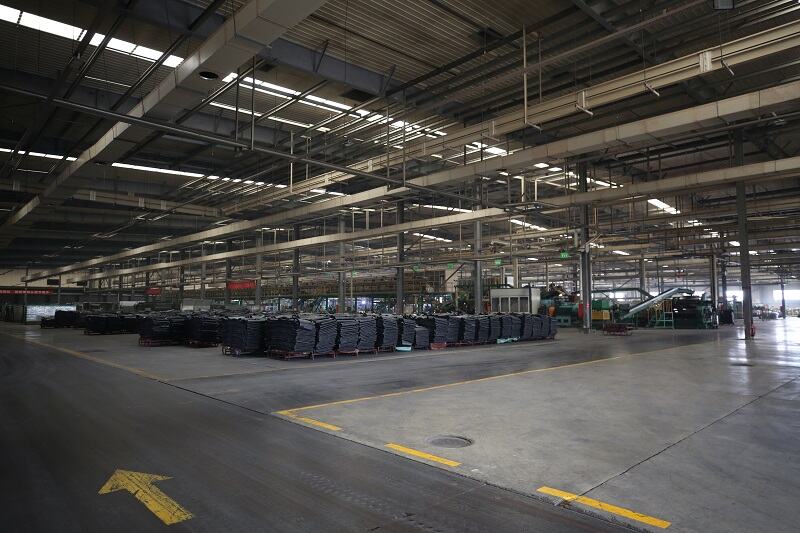
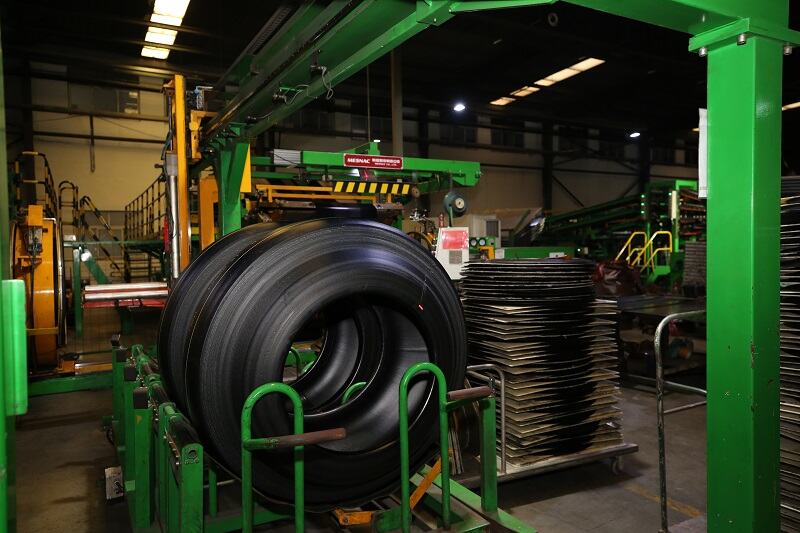
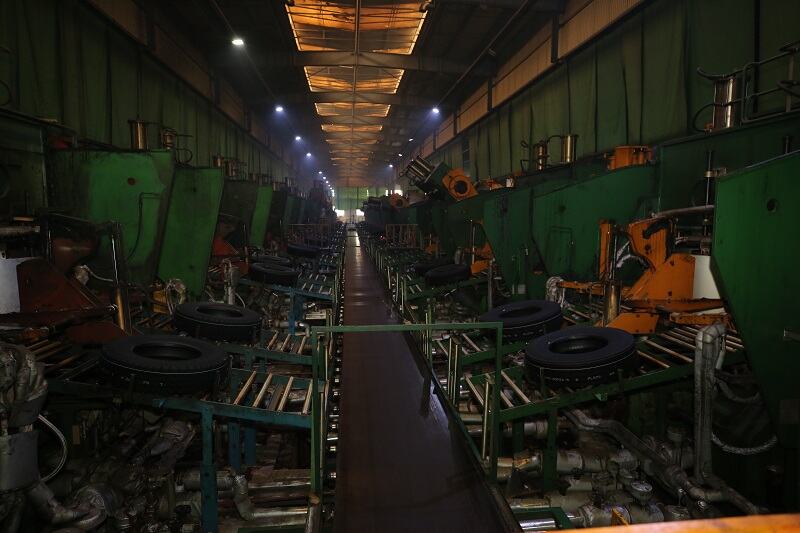
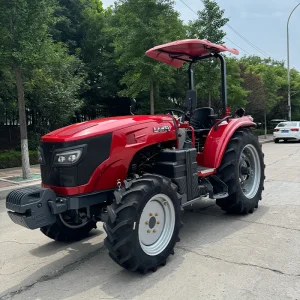
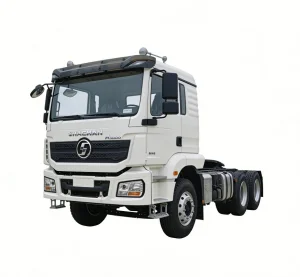
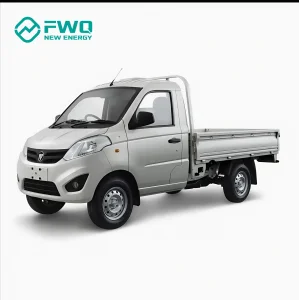
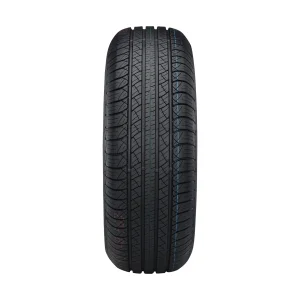
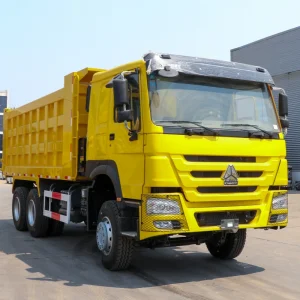
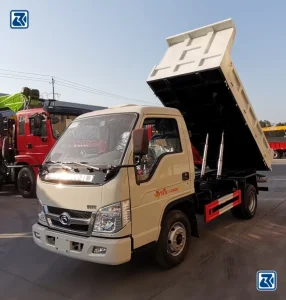
View our comprehensive line of heavy-duty utility machinery, commercial logistics trucks, all-season passenger tires, and high-durability off-road tires.