C-Max Tire
C-Max Tire
C-Max Tire
Explore our elite selection of heavy truck, all-terrain, and specialized utility products integrated with industry-standard structural durability.
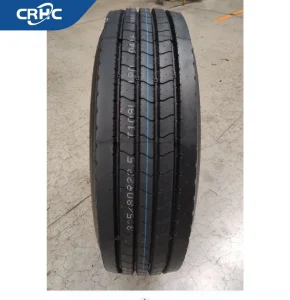
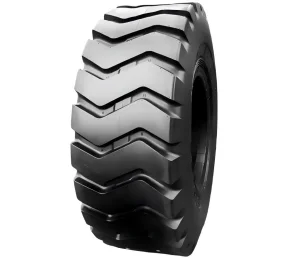
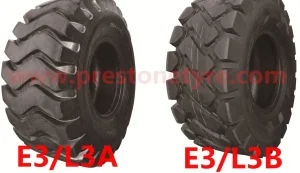
In modern industrial logistics and heavy machinery operations, tires represent one of the highest operating costs behind fuel. The global transition toward Digital Tire Monitoring Systems (DTMS) is driven not merely by compliance, but by the substantial economic benefits of IoT-enabled asset management. By integrating direct pressure, temperature, and wear-sensing technologies, fleet operators can optimize the total cost of ownership (TCO) of their rolling assets.
Statistical insights validate that operating a commercial vehicle with tires underinflated by just 10% increases fuel consumption by approximately 1.5% to 2.5% and reduces tread life by up to 15%. In heavy mining operations, construction, and long-haul transport, premature tire failure can result in costly downtime, safety hazards, and unscheduled maintenance cycles. Digital tire monitoring provides real-time visibility into these metrics, shifting tire management from a reactive chore to a proactive, predictive analytics workflow.
From a regulatory standpoint, major economic zones are tightening mandates. Following the established FMVSS 138 standards in North America and EU Regulation 2019/2144 (GSR), the integration of tire pressure monitoring systems has transitioned from passenger cars to light commercial trucks, city buses, and heavy-duty OTR vehicle fleets. Forward-thinking suppliers are responding by offering cloud-native, sensor-integrated solutions that interface directly with standard fleet telematics.
The technological progression of digital tire monitoring has evolved through three distinct developmental generations:
Simple valve-cap or rim-mounted sensors transmitting raw RF data directly to a local dashboard receiver, warning the operator only when a preset threshold is breached.
Integration of BLE (Bluetooth Low Energy) and Sub-GHz RF protocols with standard vehicle telematics boxes (FMS). Data is aggregated and uploaded to remote fleet software portals.
Next-gen inner-liner mounted intelligent sensors. Features include real-time rolling resistance measurement, automated load calculation, and predictive treadwear algorithms utilizing embedded machine learning models.
Choosing the correct sensor deployment profile is critical for global industrial enterprises. Mainstream architectures present distinct operating characteristics:
The requirements for digital tire monitoring differ significantly across regional environments and industrial applications. Implementing custom localized protocols ensures maximum return on investment.
In massive open-pit mines across Australia, South America, and Africa, haul trucks operate under extreme loads on unpaved rock surfaces. The primary failure modes are thermal overload and sidewall cuts. DTMS in these areas operates on ultra-durable 433MHz or proprietary active RFID protocols designed to penetrate thick steel-belted radial casings. Real-time temperature sensors prevent thermal runaways, which can cause catastrophic OTR tire explosions.
For long-haul carriers operating along fast highway corridors, fuel economy and route reliability are paramount. Integrating DTMS with central fleet telematics allows operations centers to dispatch mobile tire service trucks before a driver is even aware of a slow puncture. In these regions, integration with existing Trailer EBS (Electronic Braking Systems) and Trailer Telematics is a critical procurement requirement.
Public transportation systems in dense cities require zero downtime and high safety standards. Municipal bus fleets utilize DTMS integrated with Depot Reader systems. As buses return to the yard at night, drive-by antennas read tire pressures and tread depths automatically, generating preventative maintenance tickets for the workshop crew without requiring manual inspection.
Established in 2023, Qingdao C-Max Tire Co., Ltd. is a forward-thinking enterprise specializing in the research, development, manufacturing, and global sales of high-performance tires. At C-Max, we are committed to driving innovation in tire technology, continuously developing products that meet the diverse needs of various road conditions, climates, and usage scenarios. By utilizing internationally advanced materials and cutting-edge manufacturing processes, our R&D team ensures that every tire we produce excels in durability, grip, energy efficiency, and environmental performance. This commitment makes C-Max a trusted choice for customers seeking reliable, high-quality tires.
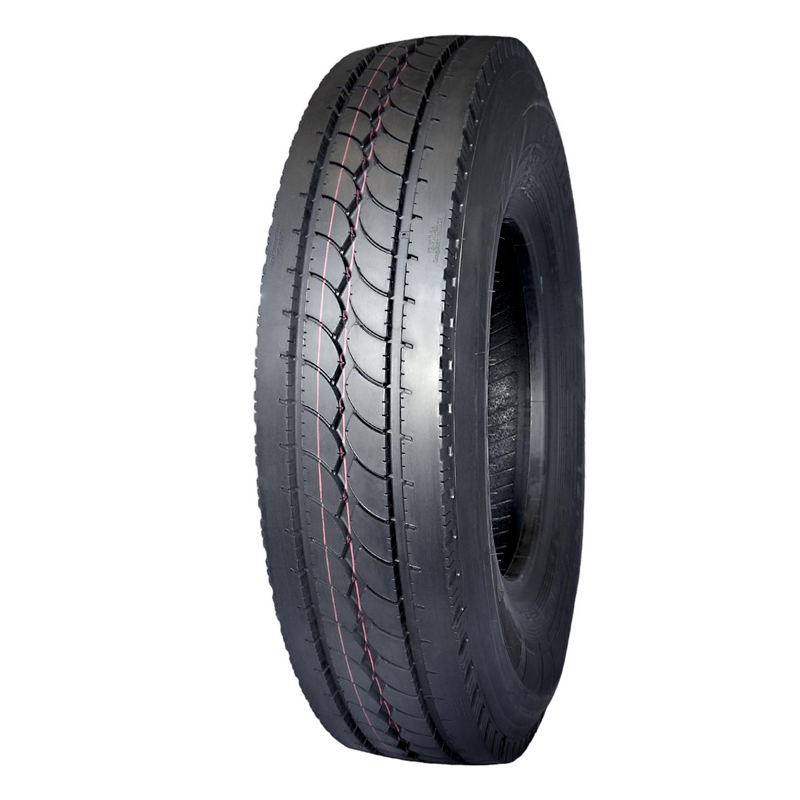
We aim to lead the industry in tire performance and sustainability, offering customers products that not only meet their highest expectations but also contribute to a greener, more efficient future.
Our company is proud to have a world-class R&D team, with each engineer bringing over 15 years of specialized tire development experience. This wealth of knowledge and expertise ensures that we not only maintain sustained product excellence but also innovate at an accelerated pace. From conceptualization to final production, our R&D team is constantly working to push the boundaries of tire technology, ensuring our customers always have access to the most advanced products on the market.
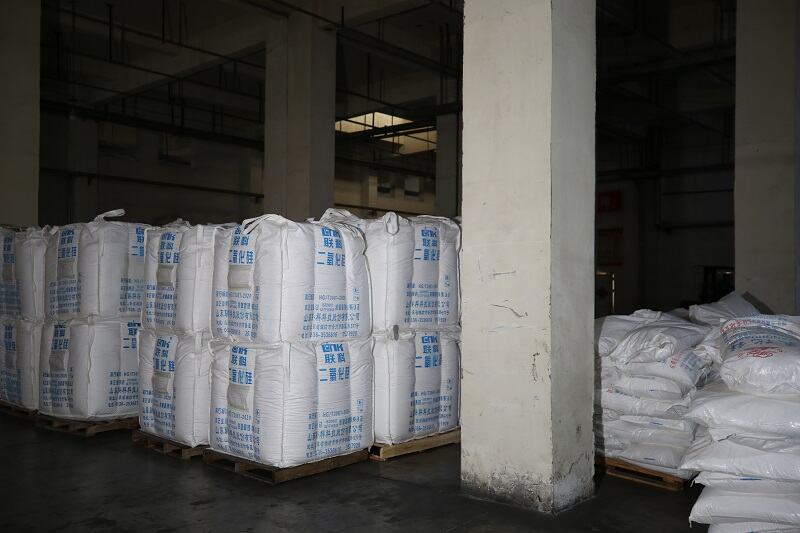
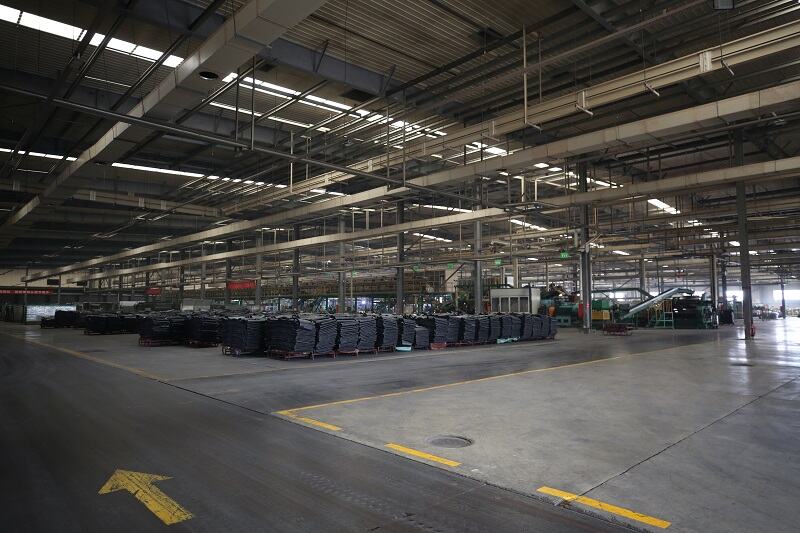
With an annual production capacity exceeding one million units, Qingdao C-Max Tire Co., Ltd. is equipped to meet the tire demands of customers around the world. We serve over 200 clients across more than 50 countries, with extensive warehousing capabilities ensuring timely delivery to every region. Our commitment to efficiency and quality enables us to fulfill large orders while maintaining consistency in product performance and delivery timelines.
At C-Max, we believe in the importance of sustainability. That’s why we are committed to reducing the environmental impact of tire production. By using eco-friendly materials, optimizing manufacturing processes, and constantly refining our products for energy efficiency, we are helping pave the way for a cleaner and more sustainable future for the automotive industry. Whether you're looking for tires for personal vehicles, commercial trucks, or specialty applications, C-Max provides the solutions you need. Our focus on innovation, quality, and customer satisfaction ensures that you receive the best possible tire performance for your specific requirements.
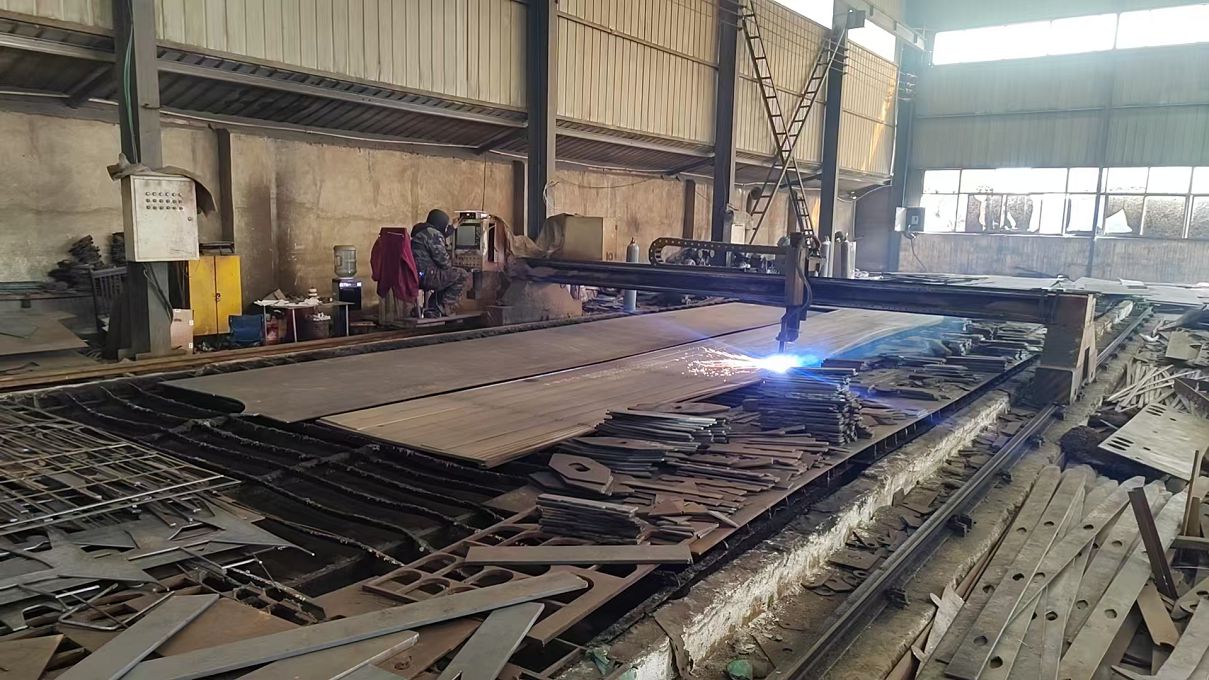
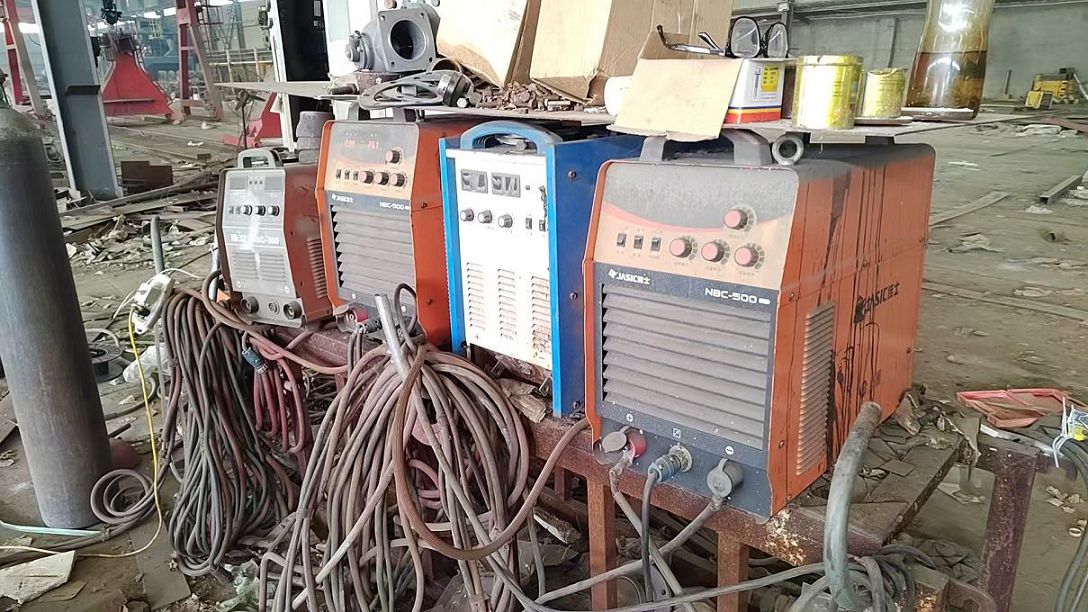
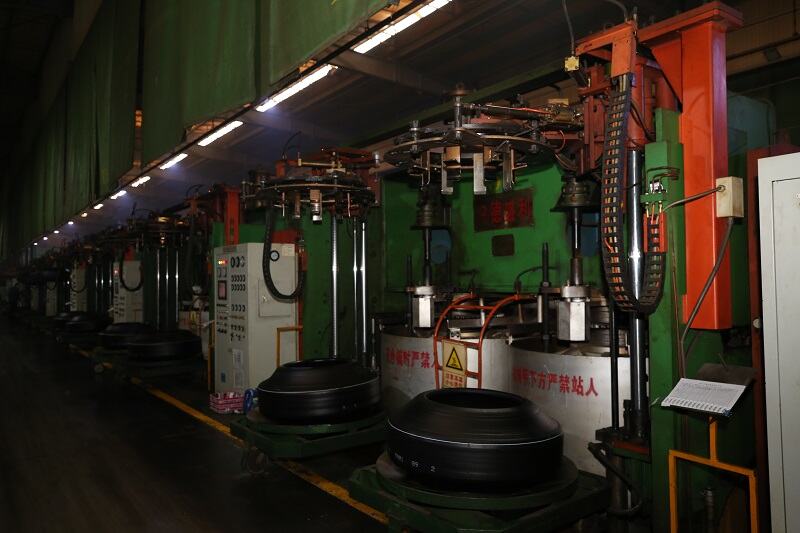
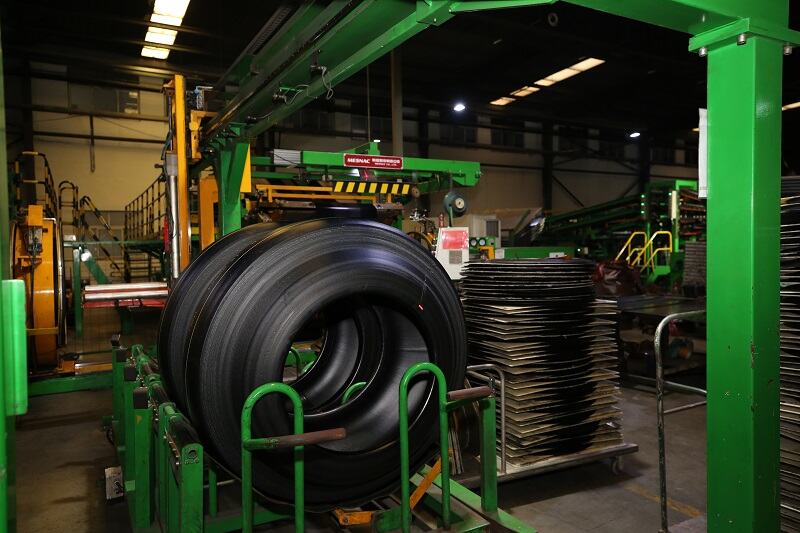
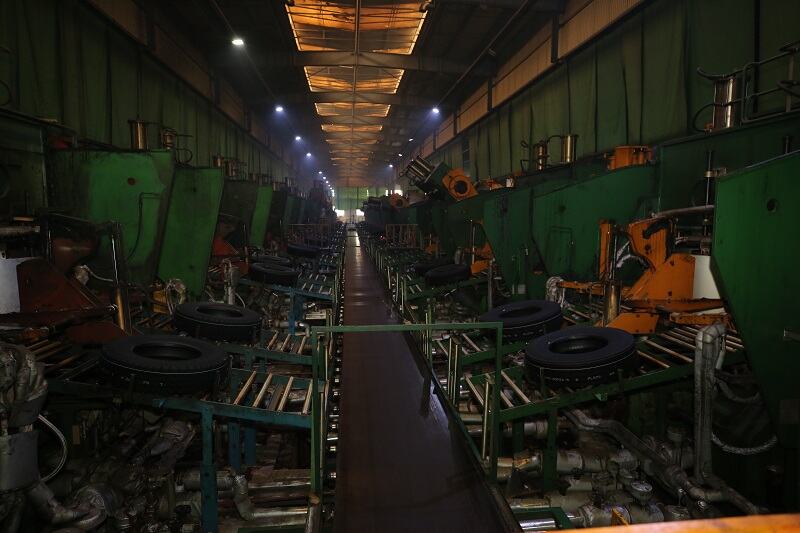
Our manufacturing excellence is supported by heavy investment in high-precision machinery. Our automated workflow ensures that steel body cords, tread compounds, and integrated electronic components are structured with high precision.
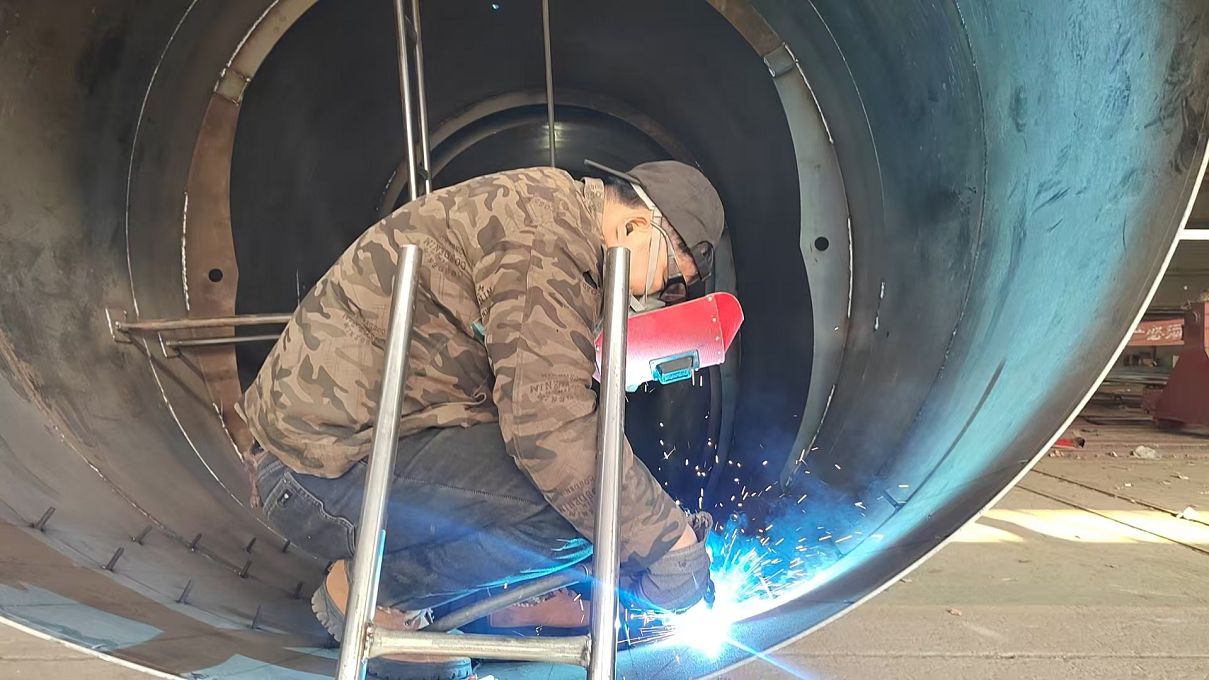
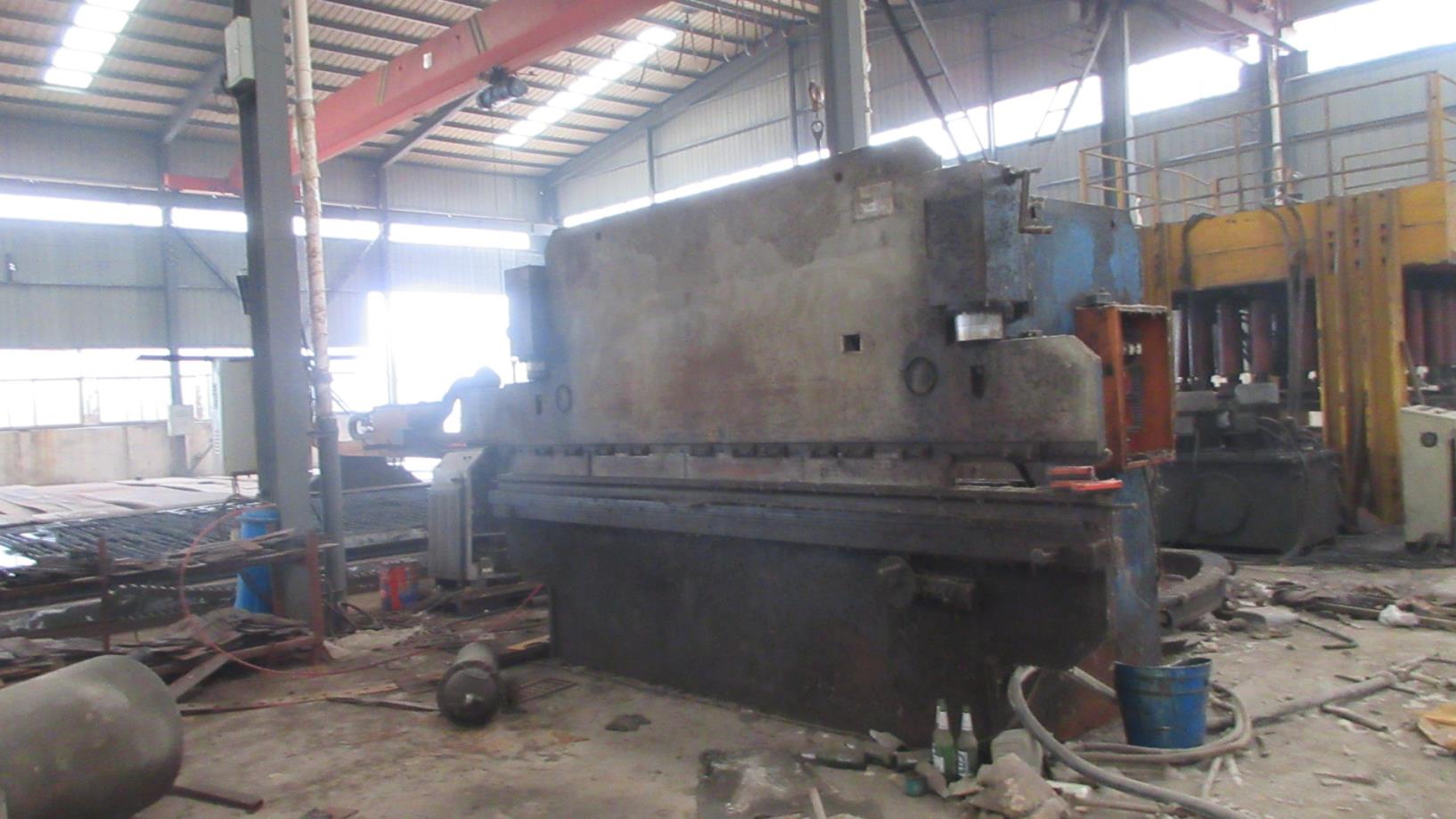
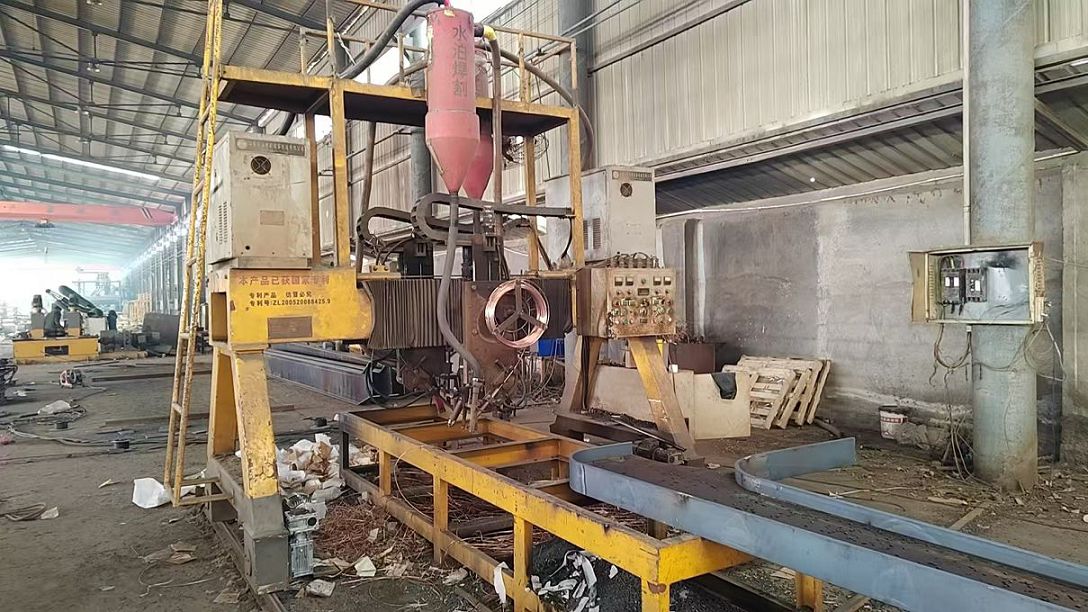
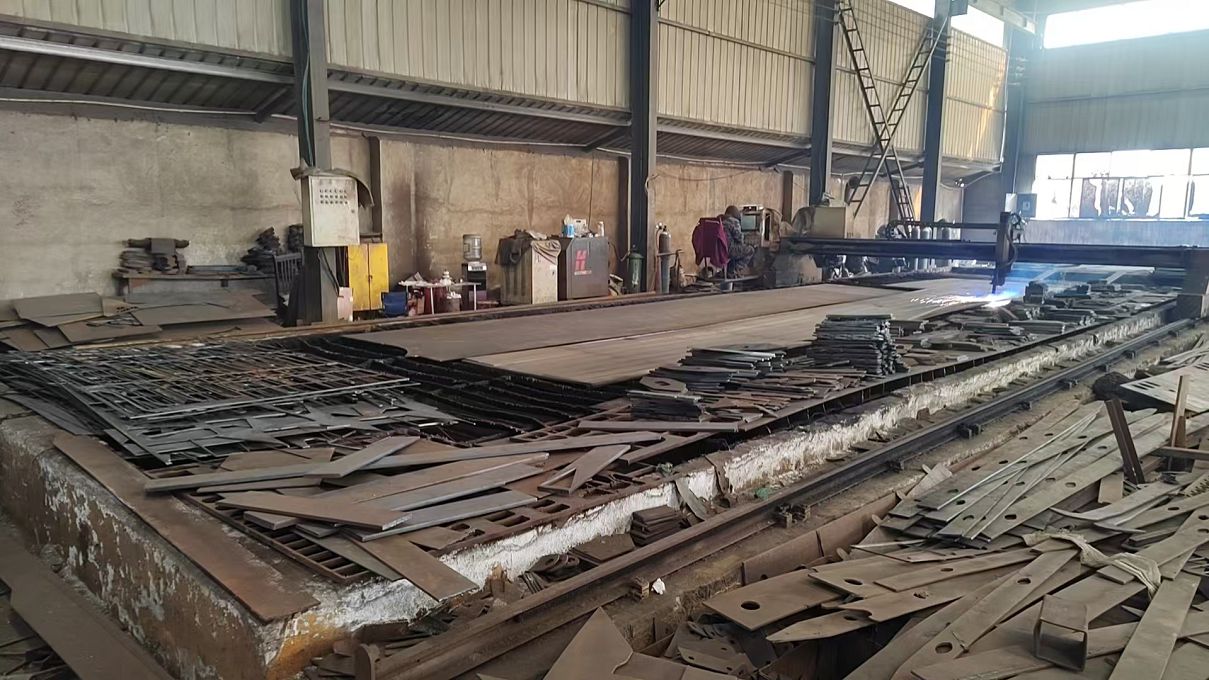
Expert technical insights to help procurement managers and fleet engineers make informed decisions.
Traditional TPMS (Tire Pressure Monitoring Systems) are closed-loop safety devices that only alert drivers when pressures cross a threshold. DTMS (Digital Tire Monitoring Systems) are integrated IoT platforms that stream continuous pressure, temperature, and wear data to cloud portals. They enable historical data analysis, predictive wear scheduling, and direct integration with fleet telematics platforms.
Most commercial-grade internal tire sensors (valve-stem mounted or inner-liner patch) utilize long-life lithium-ion coin cells designed to last 5 to 7 years, or approximately 500,000 to 800,000 road kilometers. They use low-frequency sleep states to conserve battery when the vehicle is stationary.
Yes, specialized inner-liner patch sensors are designed to survive the retreading process. During a retread, the patch housing can remain in place, and the central sensor puck can be swapped or reprogrammed. Standard vulcanization-embedded sensors are built with thermal-resistant compound layers that withstand the temperatures of tire retreading chambers.
DTMS uses sensors that measure chamber temperature and internal pressure simultaneously. Using Gay-Lussac's and Boyle's thermodynamic laws, the telemetry firmware calculates the normalized "cold inflation pressure" of the tire, allowing fleet managers to detect true pressure leaks even when the tire is operating hot at highway speeds.
For mid-to-large long-haul transport fleets, the ROI for DTMS adoption is typically achieved within 9 to 12 months. This is realized through a 2% average reduction in fuel usage, a 15-20% extension of tire carcass life (enabling more retreads), and the virtual elimination of roadside breakdown call-out charges.
Discover high-performance PCR, SUV, and construction-grade tires, alongside structural safety components designed to perform in challenging environments.