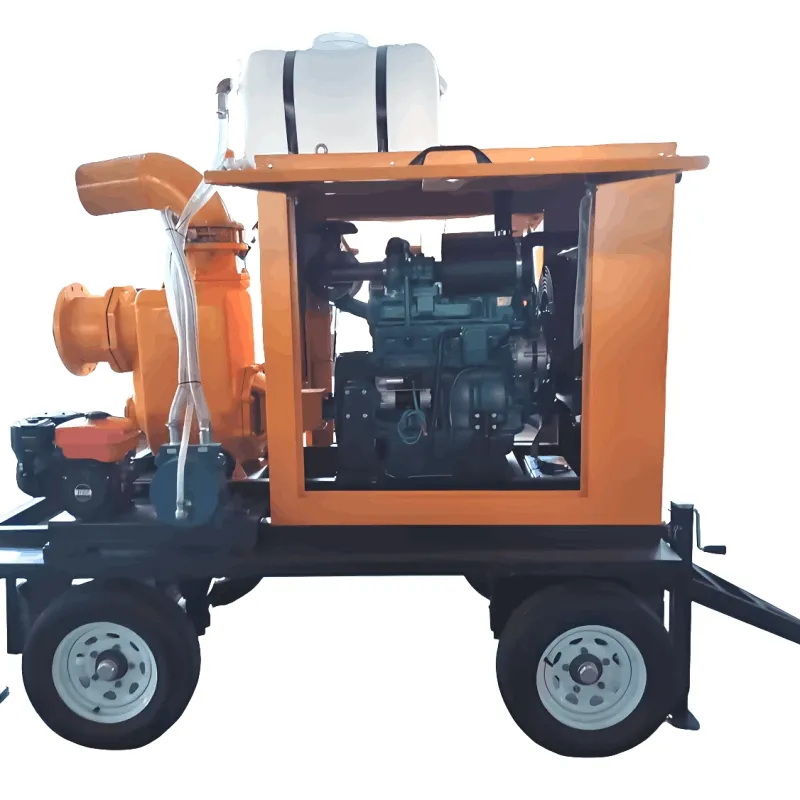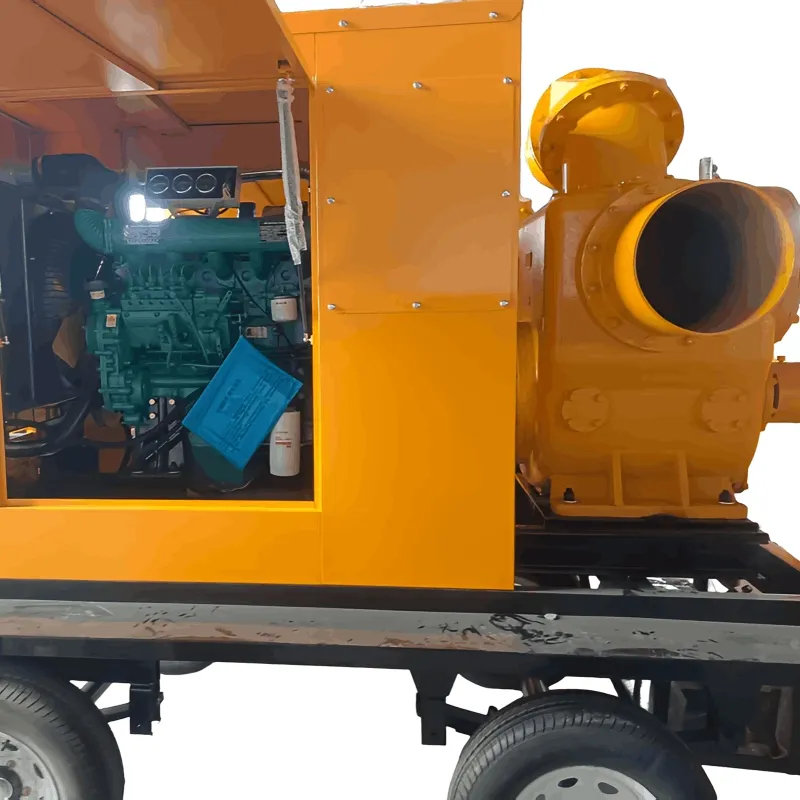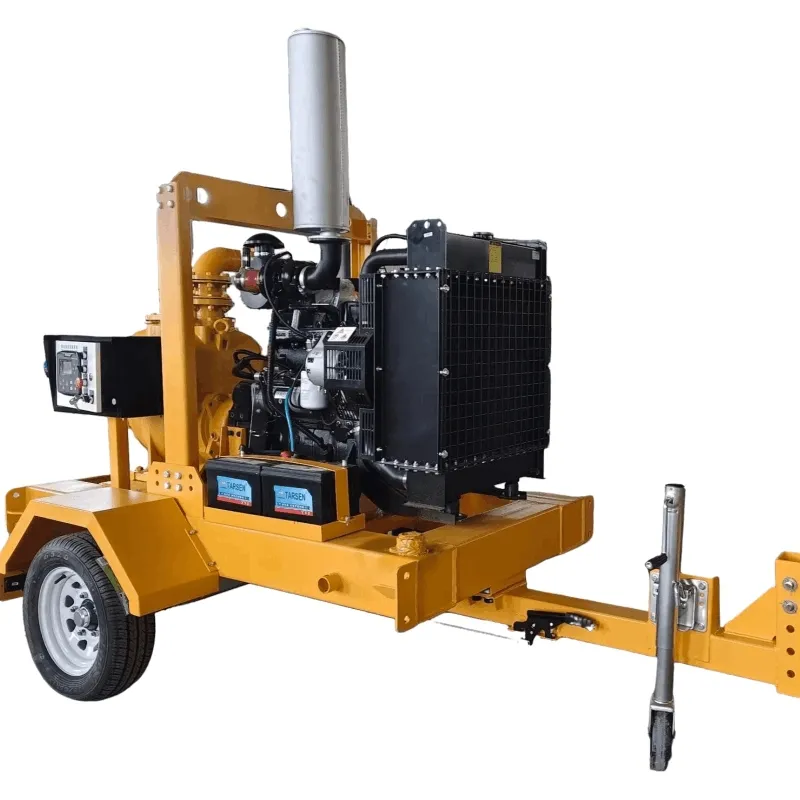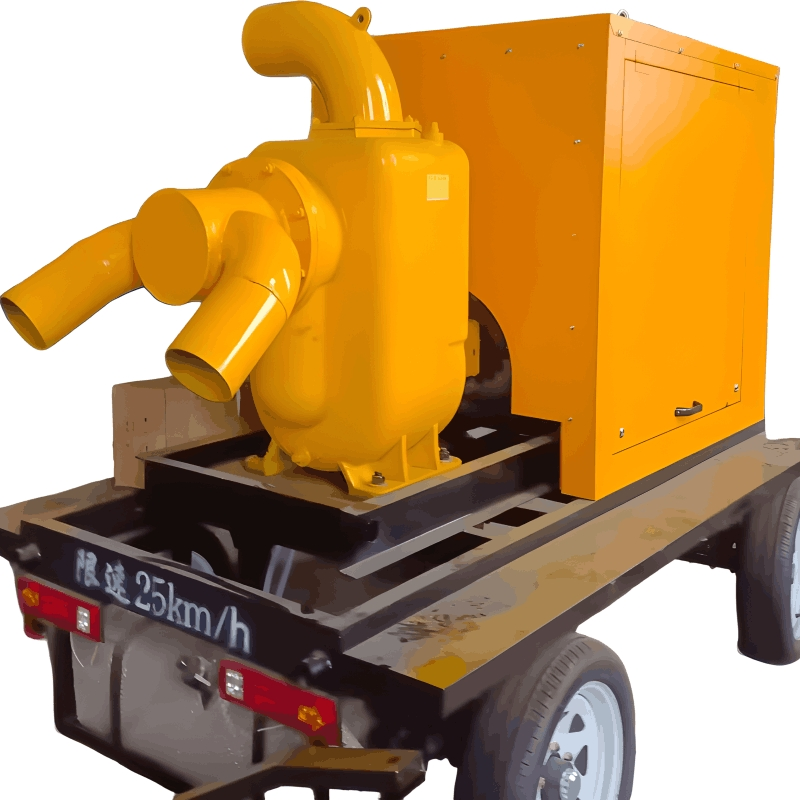
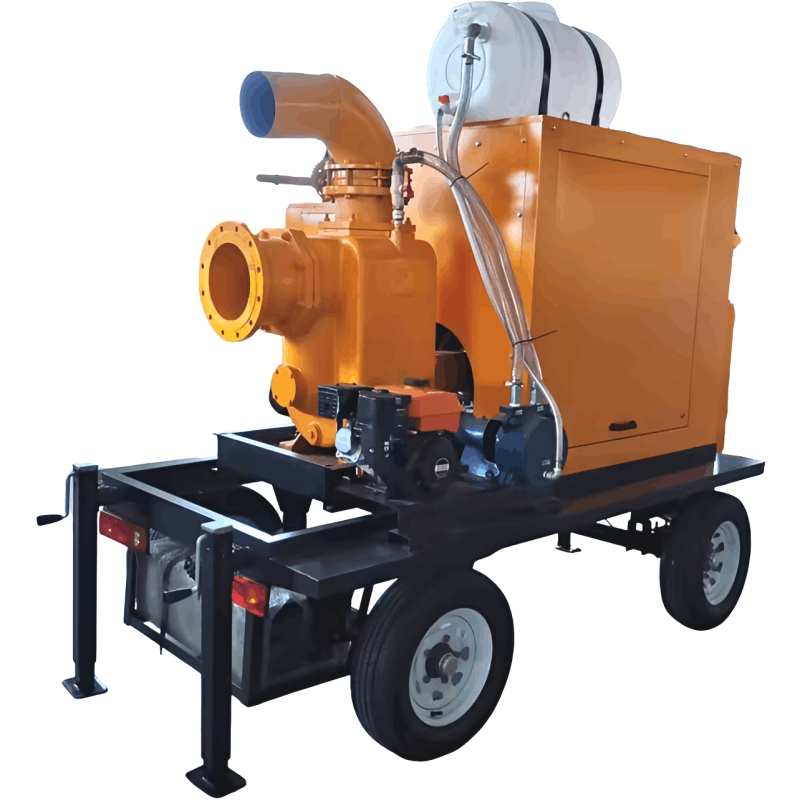
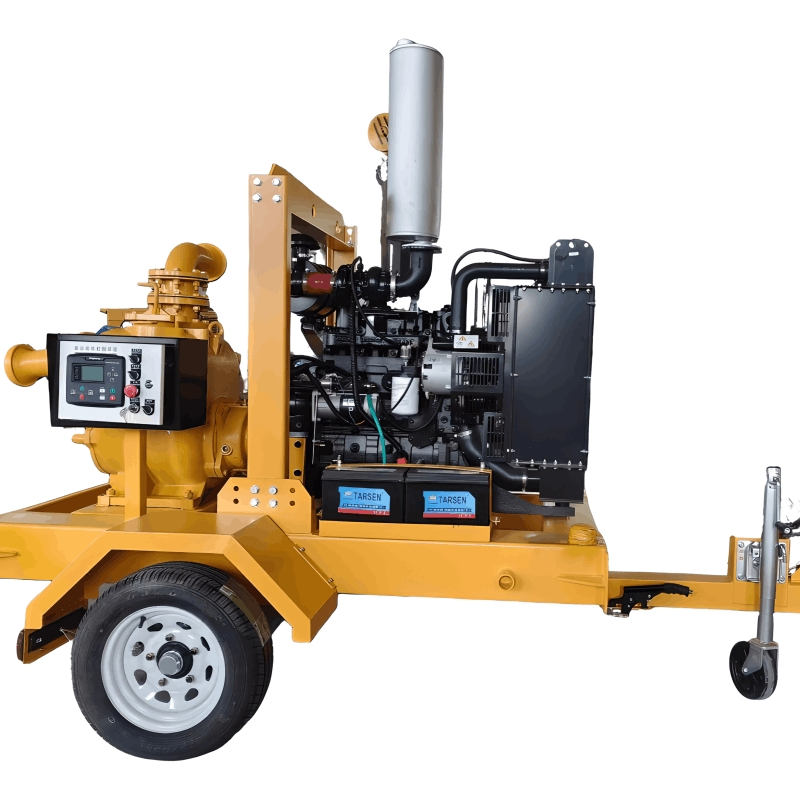
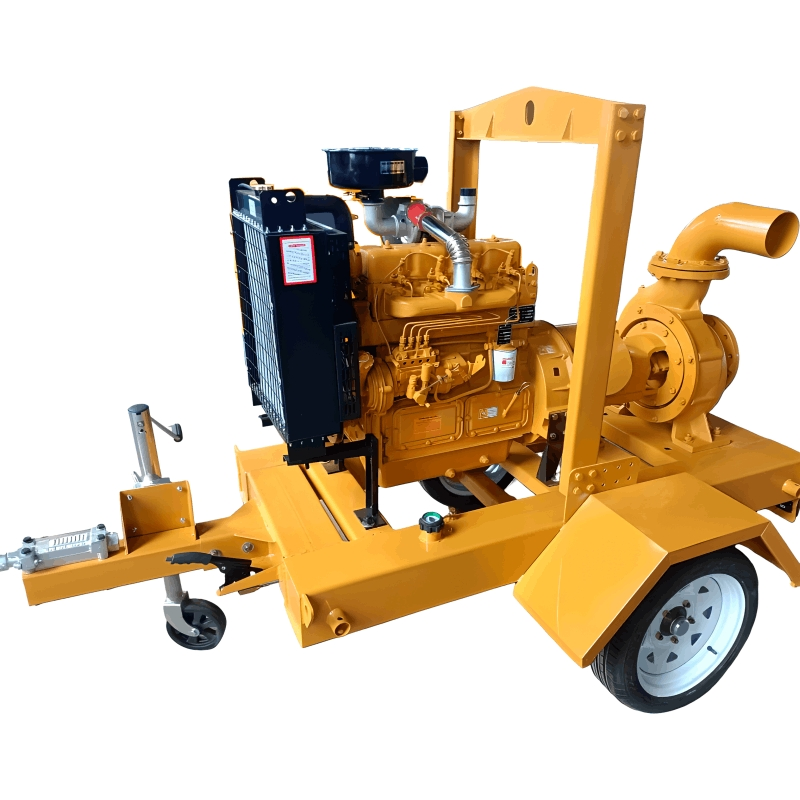
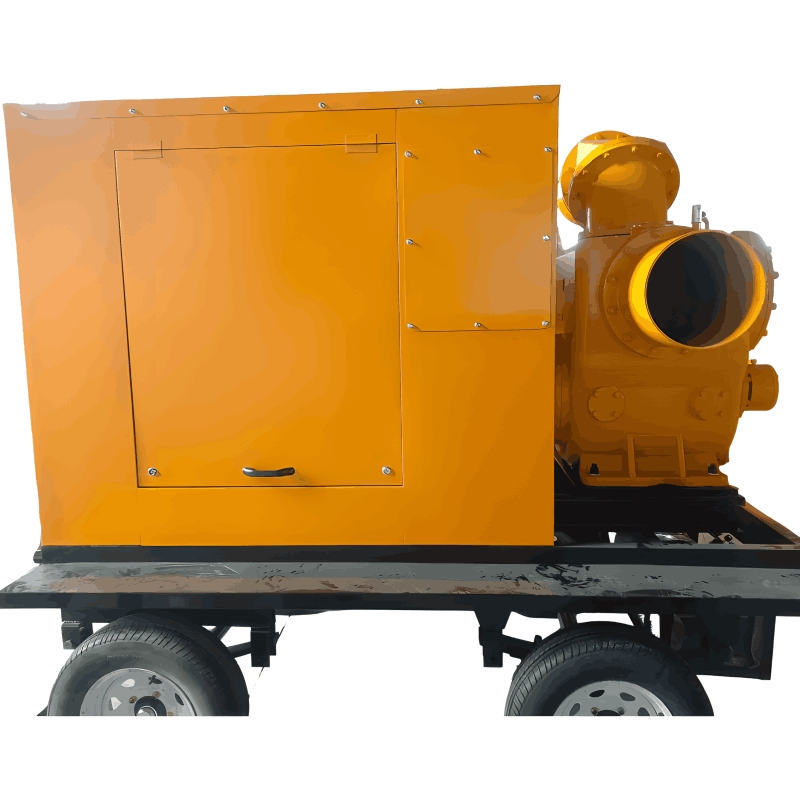
High-Performance Diesel Engine Water Pump for Efficient Irrigation

Customization: Available
After-sales Service: Installation, Commission, Spare Part
Warranty: 12 Months

Product Description

📊

Basic Information

Model NO. 4-16inch
Type Self-priming Pump With Inner Recirculation
Air Engine Type Diesel Engine
Theory Centrifugal
Transmission Direct Connection Transmission
Structure Single-Stage Pump
Material Iron/Steel/Stainless Steel
Max. Capacity >5000 M3/H
Max. Head Lift 1000m
Production Capacity 2000 Sets/Year
📦

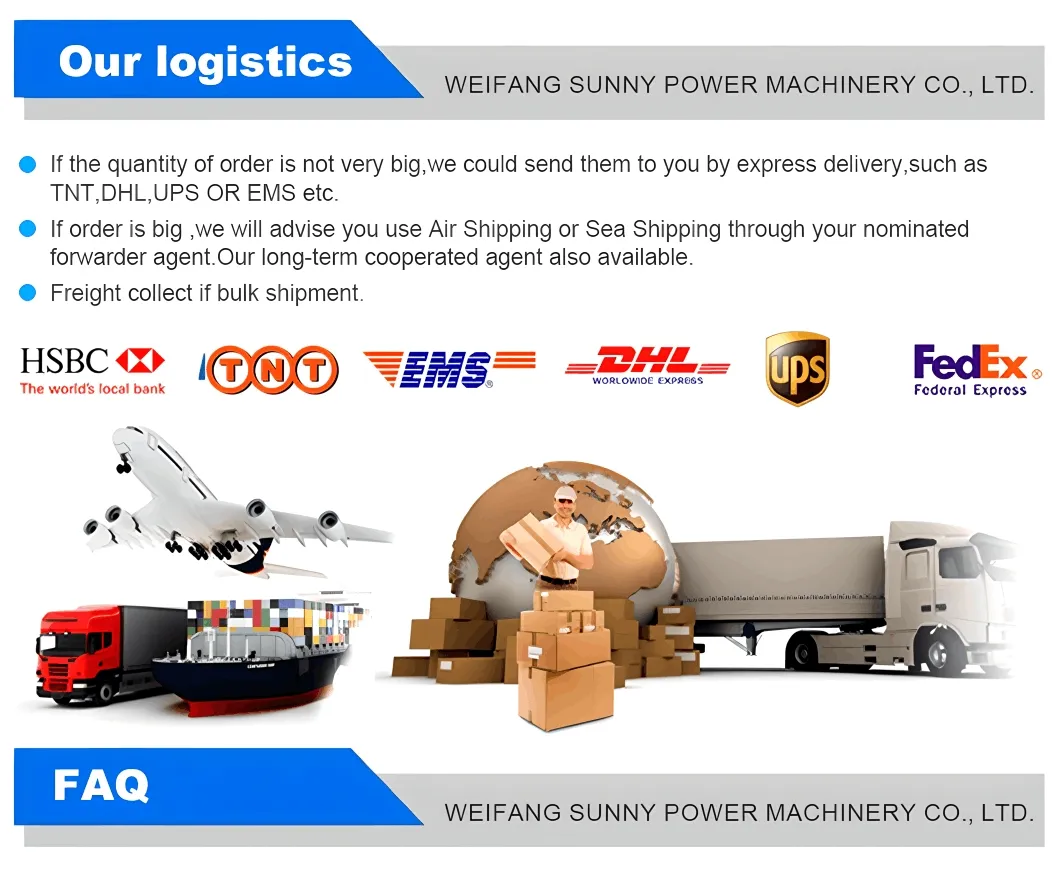
Packaging & Delivery

Package Size 2600.00cm * 1600.00cm * 2200.00cm
Package Gross Weight 2500.000kg
Transport Package Plywood Case / Wooden-Case
🏢

Company Profile

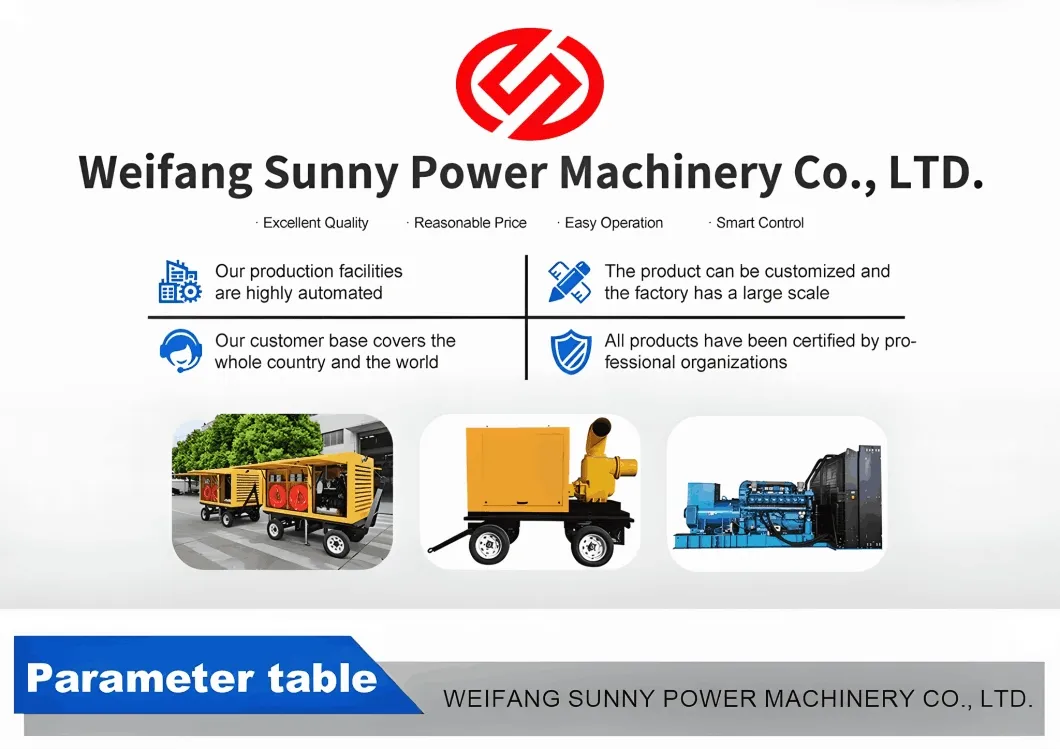
Diesel Engine Water Pump

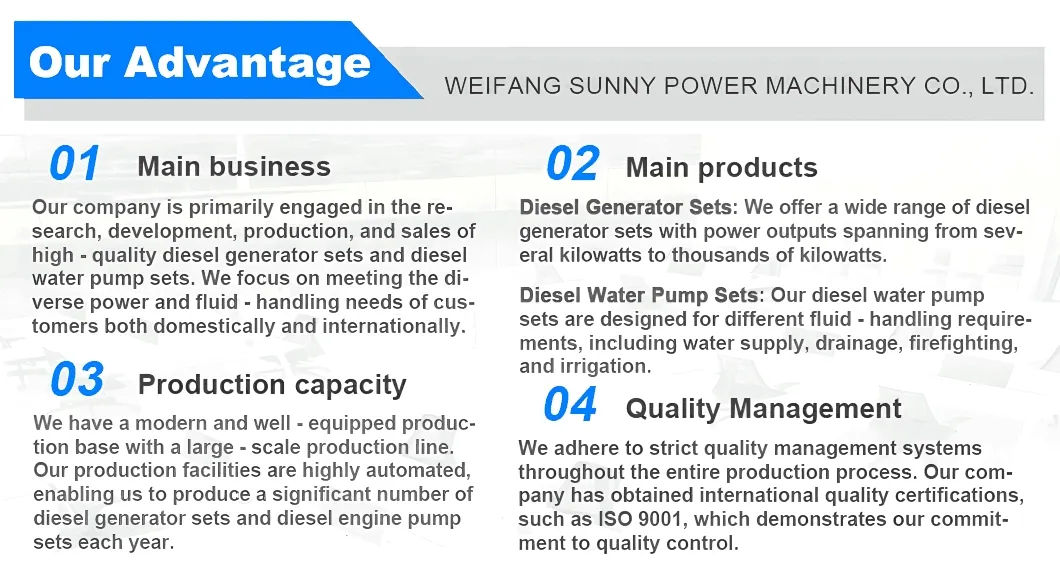
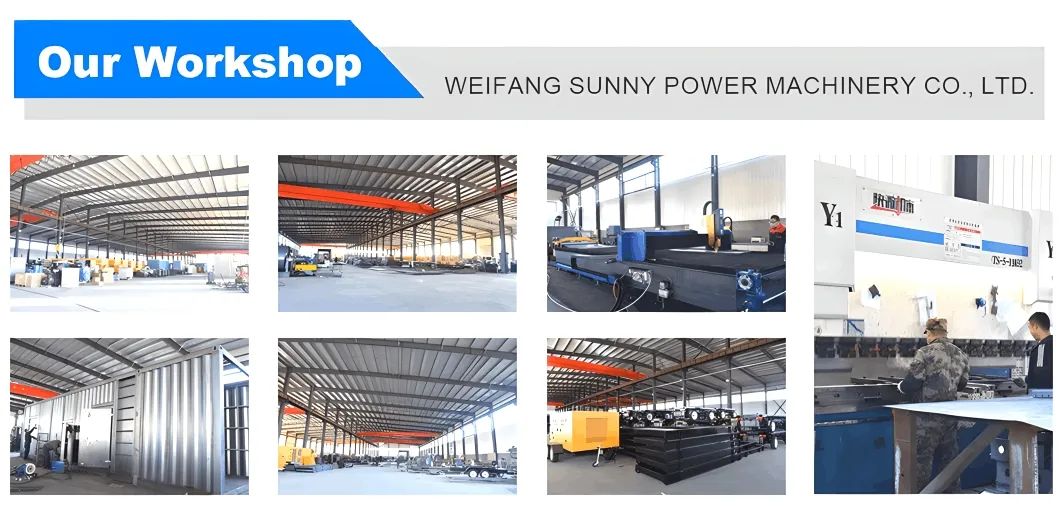
Having professional and experienced workers, supported by strong technology and advanced equipments, we successfully formed strict and perfect production procedure from design, production, testing, to after-service, which guarantee the stable quality and technology innovation. We have been approved by ISO9001 and CE.

Owing to good quality and stable performance, we have been working with clients in long term worldwide. Our main markets cover East European countries, American counties, Asia, Africa, and Australia etc.

Water Pump Performance
Water Pump Irrigation
⚙️

Product Description

Pump Detail 1
Pump Detail 2
Pump Detail 3
📷

Detailed Photos

Product Photo 1
Product Photo 2
Product Photo 3

Frequently Asked Questions

How to choose a proper diesel water pump?
Assess the required flow rate and head according to your application. Consider the fluid type. Pick a pump that can meet current and future demands. Also, check installation space and pipeline compatibility.
What factors should be considered for pump size?
Pump size relates to flow rate, head, and inlet/outlet caliber. Larger pumps handle higher flow and head. The caliber should match pipes for smooth flow and fit the installation space.
How do I calculate the required head (Lift Height)?
Head = vertical lift + friction losses. Measure vertical height and estimate friction losses based on pipe length, diameter, and fittings. Use standard formulas for accuracy.
What are the standard startup procedures?
Check fuel and oil levels. Prime the pump. Connect pipes. Start the engine, let it idle, then increase speed. Monitor pressure and flow throughout the operation.
How often should daily maintenance be performed?
Maintenance should be done before and after each use. Key tasks include checking fuel, oil, coolant, cleaning the air filter, and inspecting the impeller and belts for leaks or wear.
What happens if the engine power is mismatched?
Under-powered engines lead to poor performance and stalling. Over-powered engines waste fuel and increase unnecessary pump wear. Always use the manufacturer's power-requirement curve.

Related Products