C-Max Tire
C-Max Tire
C-Max Tire
Premium heavy-duty fleet options optimized for the arduous transport challenges of São Paulo state transit corridors.
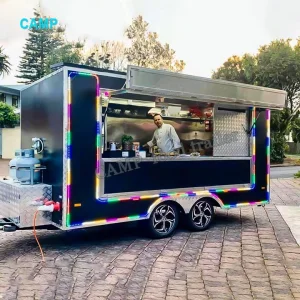
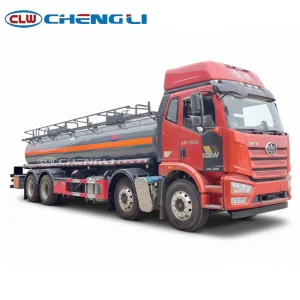
São Paulo constitutes the beating economic heart of Brazil and the broader Mercosur zone. Hosting a colossal network of highways including the complex Rodovia Anhanguera, Rodovia dos Bandeirantes, and the coastal descent to the Port of Santos, this territory demands unprecedented reliability from its commercial transport tires. Heavy cargo haulers and long-haul buses regularly traverse intense microclimates—ranging from high inland continental heat to wet, mountainous marine environments—while carrying loads that push vehicles to their design limits.
At Qingdao C-Max Tire Co., Ltd., we recognize that the tires supporting São Paulo's logistics infrastructure cannot be mere generic products. They must be localized, high-performance instruments. By utilizing internationally advanced compounding materials, specialized steel cord structures, and unique multi-angle groove layouts, our manufacturing units construct Truck, Bus, and Radial (TBR) tires designed specifically for low rolling resistance, outstanding carcass structural integrity, and remarkable retreadability. This directly translates to lowered Total Cost of Ownership (TCO) and improved safety margins for Brazilian fleet managers.
In Brazil's freight market, tires account for one of the top three operating expenses alongside fuel and tolls. Standard tires underperform under the combined strain of uneven secondary road surfaces and constant braking required by urban topography. C-Max tires combat these strains, delivering a 12% to 15% reduction in tire wear-related costs by maintaining optimized tread profiles and promoting uniform wear.
Operating fleets in São Paulo presents a unique set of operating conditions. The road network presents a sharp contrast: state-managed toll highways offer world-class concrete and asphalt surfaces, whereas secondary bypasses, municipal routes, and rural connectors to industrial warehouses display severe surface decay. This constant transition creates heavy mechanical stress on both tire casings and tread belts.
Furthermore, temperature fluctuations play a critical role in rapid carcass aging. Standard tires build internal heat quickly under long highway runs, leading to rubber-to-cord separation and belt edge failure. Our advanced R&D team has engineered a unique heat-resistant vulcanization system that limits compound heat accumulation. Consequently, our tires survive multiple life cycles through recapping/retreading, a practice vital to the economic health of Brazilian fleet operators.
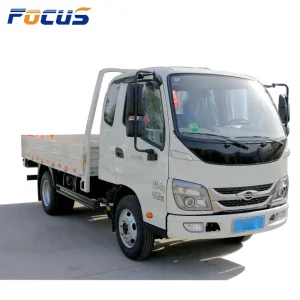
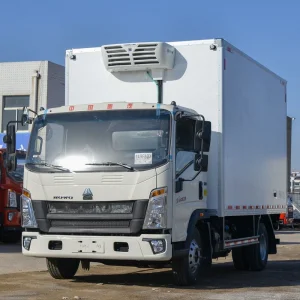
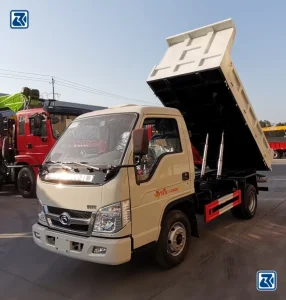
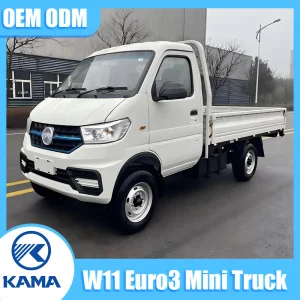
Discover high-performance logistics units built for long haul and urban distribution, optimized with specialized tires and tough chassis designs.
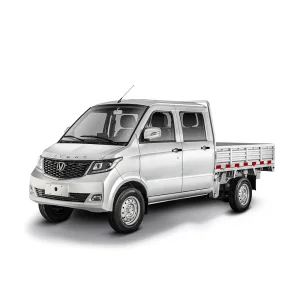
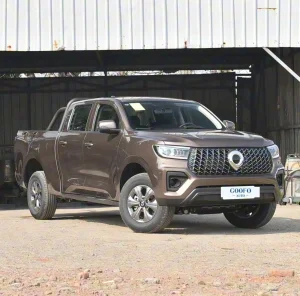
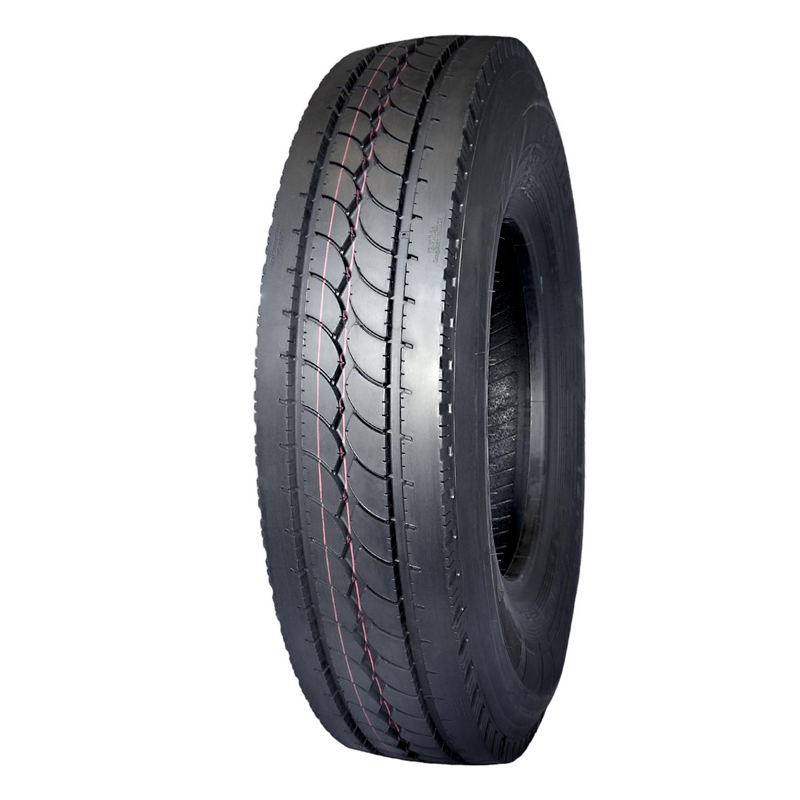
At a global level, radial commercial tire manufacturing has transitioned into a discipline of micro-molecular structure control and finite element stress analysis. Developing tires for heavy multi-axle freight units requires optimizing four core pillars of performance:
We deploy ultra-high-tensile steel cord structures within our tire belts and casing layers. This ensures our tires resist impact fractures, maintaining dimensional stability under severe radial and lateral loading across varied terrains.
Our tires integrate functionalized silica paired with advanced carbon black formulations. This matrix significantly lowers rolling resistance while simultaneously bolstering high wet-grip and wear resistance in challenging weather conditions.
By optimizing the inner liner compound formulation with high-grade halobutyl rubber, internal inflation pressures remain stable. Stable pressures minimize heat generation and protect the tire package from early degradation.
Each C-Max casing is engineered to withstand multiple retreads. This allows fleet operators to leverage a single high-quality carcass several times, slashing tire procurement costs by up to 40% over the vehicle life cycle.
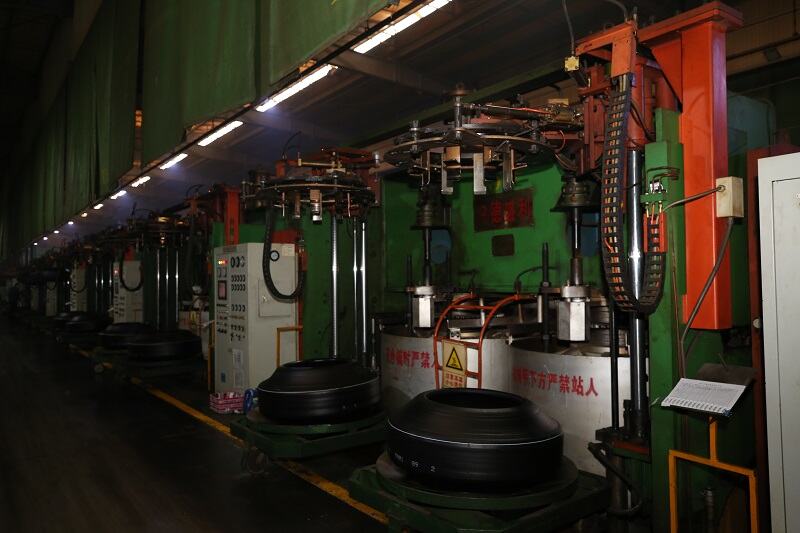
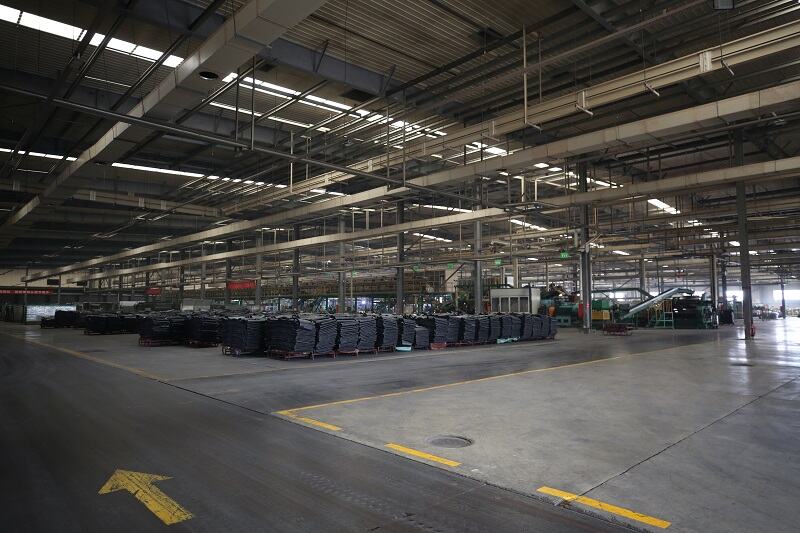
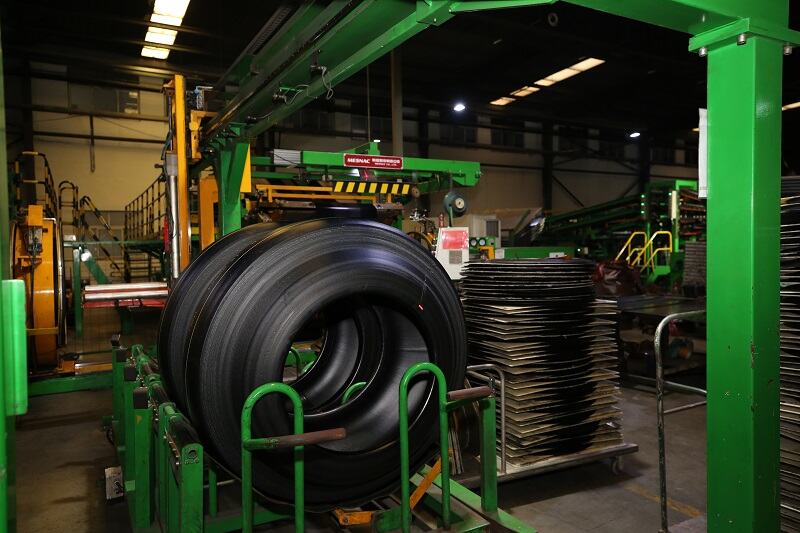
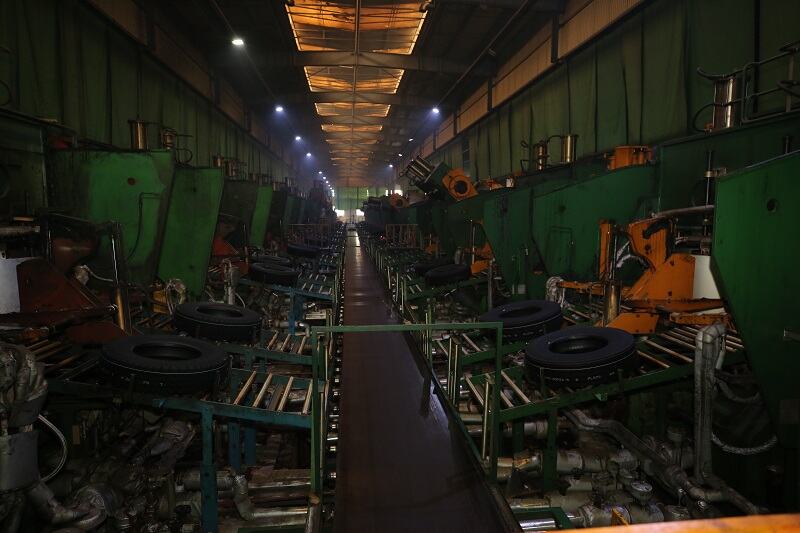
Our manufacturing plants incorporate strict ISO 9001 and IATF 16949 quality controls. With our annual production capacity exceeding one million units, we guarantee supply consistency to transport enterprises. Every batch undergo meticulous automated testing, including Shearography inspection, X-ray scanning, and high-speed endurance validation, ensuring not a single defective unit leaves our floor.
Established in 2023, Qingdao C-Max Tire Co., Ltd. is a forward-thinking enterprise specializing in the research, development, manufacturing, and global sales of high-performance tires. At C-Max, we are committed to driving innovation in tire technology, continuously developing products that meet the diverse needs of various road conditions, climates, and usage scenarios. By utilizing internationally advanced materials and cutting-edge manufacturing processes, our R&D team ensures that every tire we produce excels in durability, grip, energy efficiency, and environmental performance. This commitment makes C-Max a trusted choice for customers seeking reliable, high-quality tires.
Our Mission: We aim to lead the industry in tire performance and sustainability, offering customers products that not only meet their highest expectations but also contribute to a greener, more efficient future.
R&D Excellence: Our company is proud to have a world-class R&D team, with each engineer bringing over 15 years of specialized tire development experience. This wealth of knowledge and expertise ensures that we not only maintain sustained product excellence but also innovate at an accelerated pace. From conceptualization to final production, our R&D team is constantly working to push the boundaries of tire technology, ensuring our customers always have access to the most advanced products on the market.
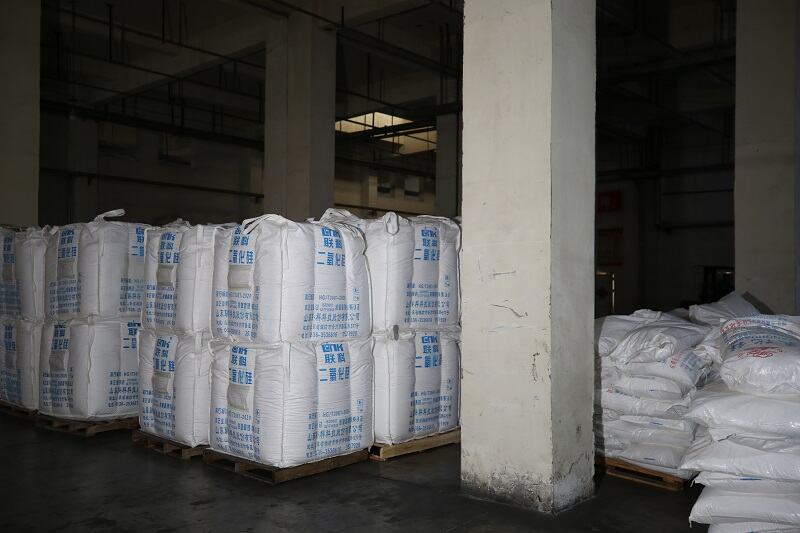
Production Capacity & Global Reach: With an annual production capacity exceeding one million units, Qingdao C-Max Tire Co., Ltd. is equipped to meet the tire demands of customers around the world. We serve over 200 clients across more than 50 countries, with extensive warehousing capabilities ensuring timely delivery to every region. Our commitment to efficiency and quality enables us to fulfill large orders while maintaining consistency in product performance and delivery timelines.
Sustainability & Future Commitment: At C-Max, we believe in the importance of sustainability. That’s why we are committed to reducing the environmental impact of tire production. By using eco-friendly materials, optimizing manufacturing processes, and constantly refining our products for energy efficiency, we are helping pave the way for a cleaner and more sustainable future for the automotive industry. Choose Qingdao C-Max Tire Co., Ltd. for custom commercial solutions.
For any tire manufacturer to establish credibility in Brazil, adherence to local standards is non-negotiable. Every commercial truck and bus tire must carry the INMETRO certification. This certification confirms that the radial tire casing, bead design, and tread pattern comply with rigorous safety criteria set by Brazilian regulatory bodies.
C-Max tires go beyond general INMETRO parameters. Our manufacturing units run strict simulations mirroring standard road tests defined for Brazilian routes. We test for bead heat-stress fatigue under sustained overload and casing deformation under heavy dynamic pressure. This provides transport fleets with the confidence that every tire can successfully cope with long cargo hauls across interstate freeways without risking blowout failures.
Looking towards the future, commercial logistics in the Greater São Paulo region will transition to IoT-integrated solutions. C-Max is currently developing next-generation TBR units equipped with pre-molded compartments for RFID sensor installation. This integration allows fleet operations managers to capture real-time temperature and inflation metrics. By coupling predictive maintenance analytics with high-tensile casing designs, fleet operators can prevent roadside downtime, maximize safety margins, and extend tire tread life to its absolute limit.
Expert answers addressing the technical aspects of radial commercial tires for heavy operations in the Brazilian market.
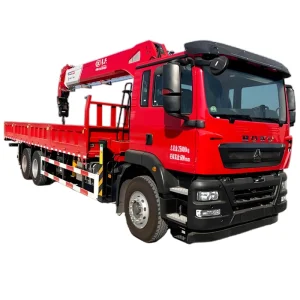
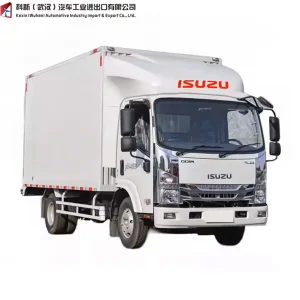
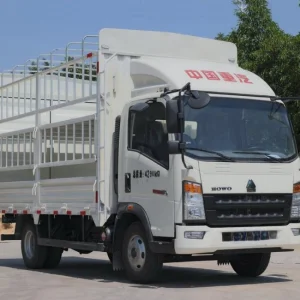
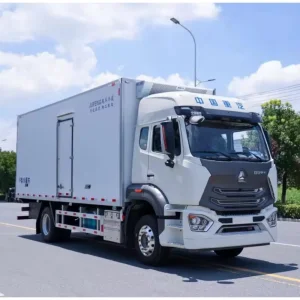
A comprehensive range of high-capacity logistics trucks, light urban delivery vehicles, and heavy-duty tractor heads for São Paulo's leading fleets.
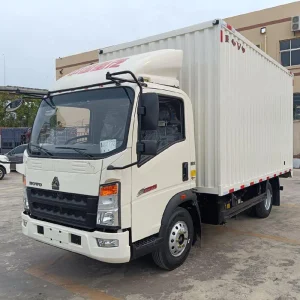
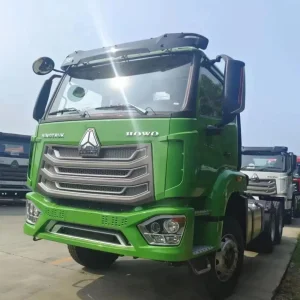
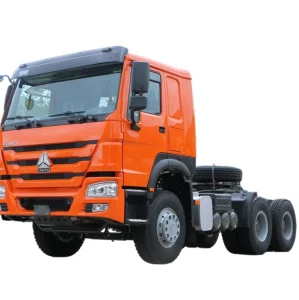
Maximize fleet performance, cut operating costs, and protect your logistics chain with C-Max radial tires designed for Brazil. Contact our commercial sales team today.