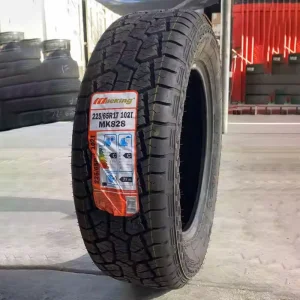
C-Max Tire
C-Max Tire
C-Max Tire
Explore our engineering capabilities, heavy-duty industrial tires, and manufacturing equipment catalog.
Analyzing key market drivers, legislative transformations, and chemical engineering solutions in the global scrap tire management sector.
Historically, waste tires were relegated to landfills or low-efficiency incineration in cement kilns. Today, advanced industrial processing plants enable complete material recovery, yielding high-purity steel wires, textile fibers, and highly customizable rubber compounds. Through ambient shredding and cryogenic grinding, tires are reduced to crumb rubber of varying mesh sizes, forming the raw material for shock-absorbing athletic surfaces, asphalt modifiers, and structural molded parts.
Simultaneously, the continuous thermal decomposition (pyrolysis) sector is scaling rapidly. By heating tire shreds in oxygen-free reactors, operators recover industrial-grade pyrolysis oil, high-value recovered Carbon Black (rCB), combustible syngas, and steel wire. This thermal processing paradigm minimizes emissions, achieves thermal self-sufficiency through syngas recirculation, and matches the rigorous environmental standards required by international heavy industry.
Global procurement departments are restructuring their vendor criteria, moving away from low-cap capital expenditures (CAPEX) in favor of high-reliability, long-lifecycle installations. Under strict Extended Producer Responsibility (EPR) regulations and European Green Deal mandates, waste managers, logistics conglomerates, and construction networks require equipment suppliers who can demonstrate full tractability, process reliability, and compliance with ASTM and ISO standards.
The demand is particularly high for integrated solutions that minimize human labor through automation, lower power consumption metrics, and feature robust emission-cleaning components. Selecting a recycling solution provider is no longer just a purchasing decision—it is a long-term technical partnership that directly impacts operational continuity, safety, and corporate environmental performance.
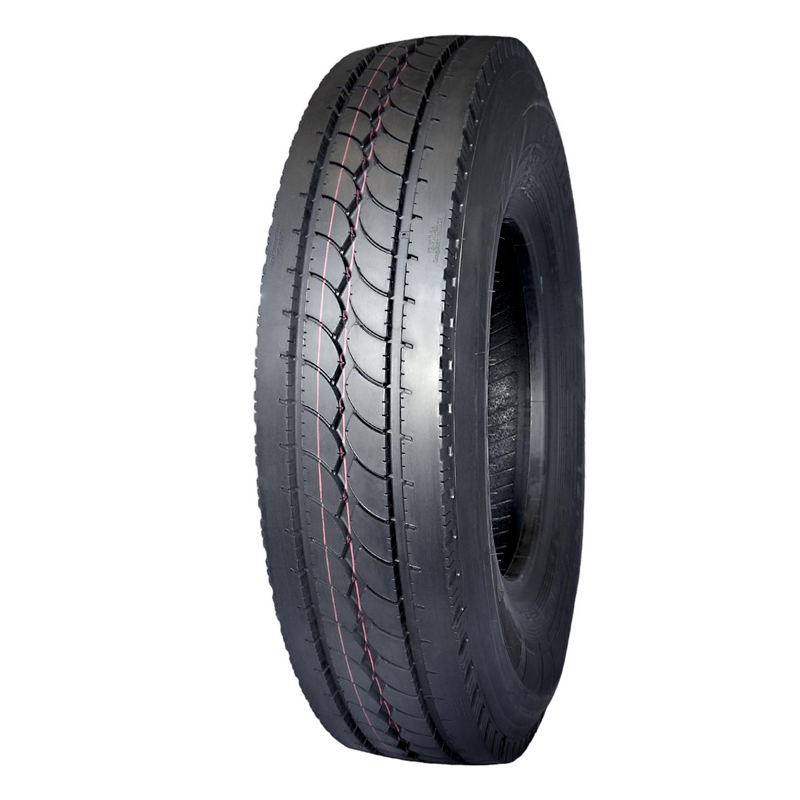
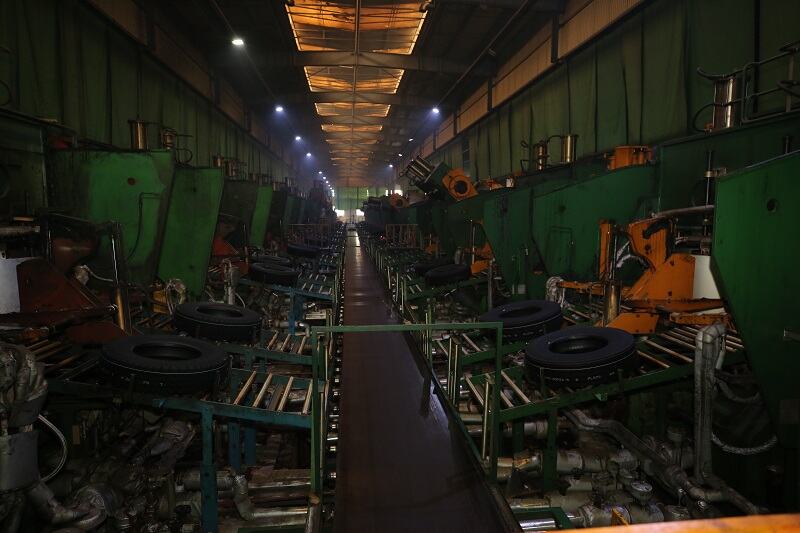
Inside our state-of-the-art production environments where mechanical accuracy meets heavy fabrication reliability.
Leveraging massive supply chain integration, Chinese factories are leading the development of modular, high-capacity tire recycling plants. Modern fabrication processes rely on computer-guided machinery, automatic robotic welding, and non-destructive testing (NDT) to build long-lasting reactors and heavy-duty shredding units.
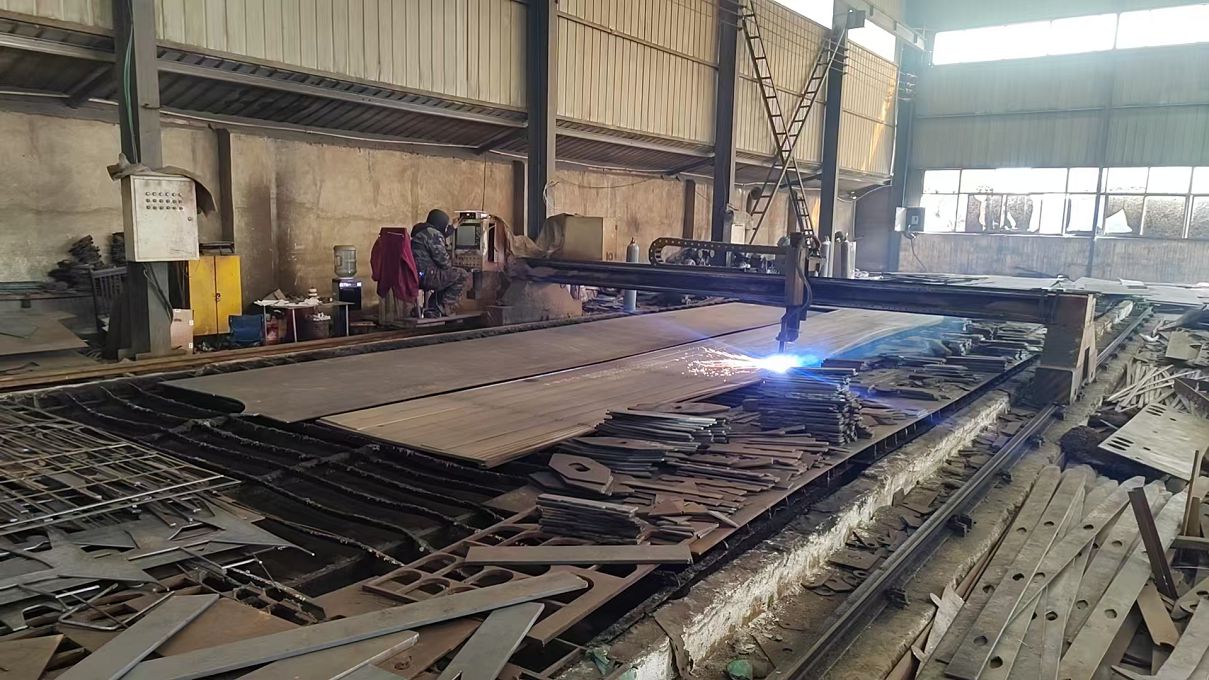
High-precision plate cutting guarantees exact dimensional tolerances for heavy structural frame parts and thick-walled processing chambers.
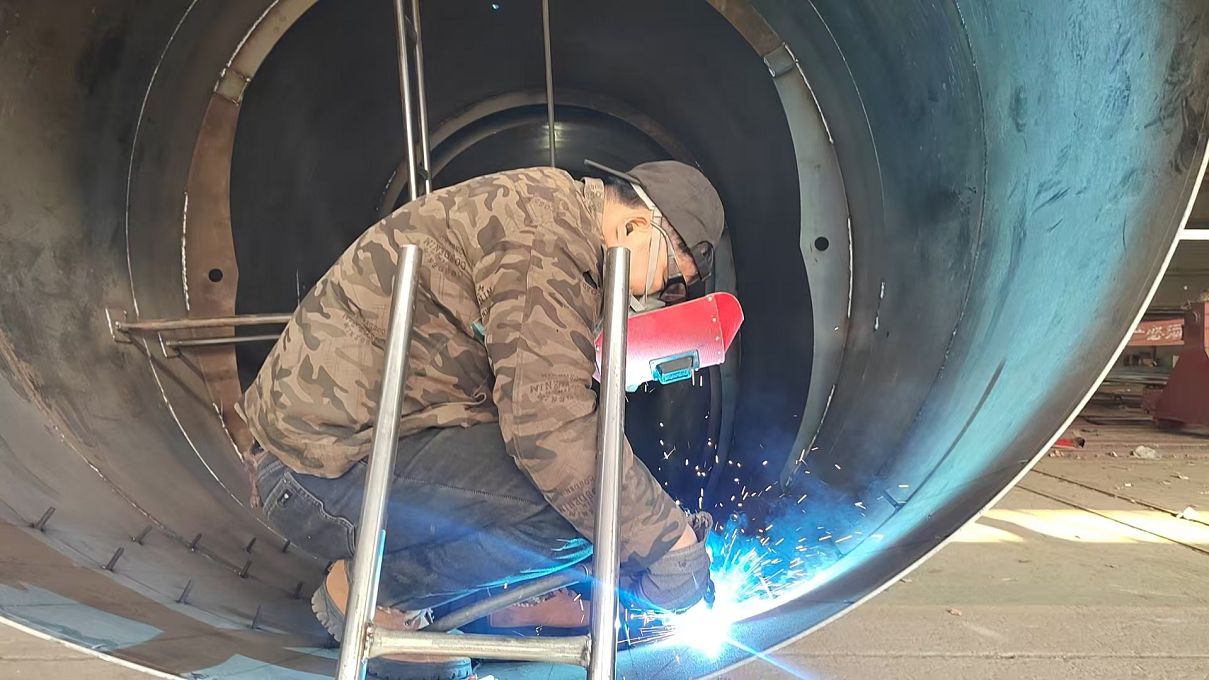
Multi-pass automatic welding techniques ensure leak-free operation for pyrolysis reactors and high-pressure storage vessels under extreme heat cycles.
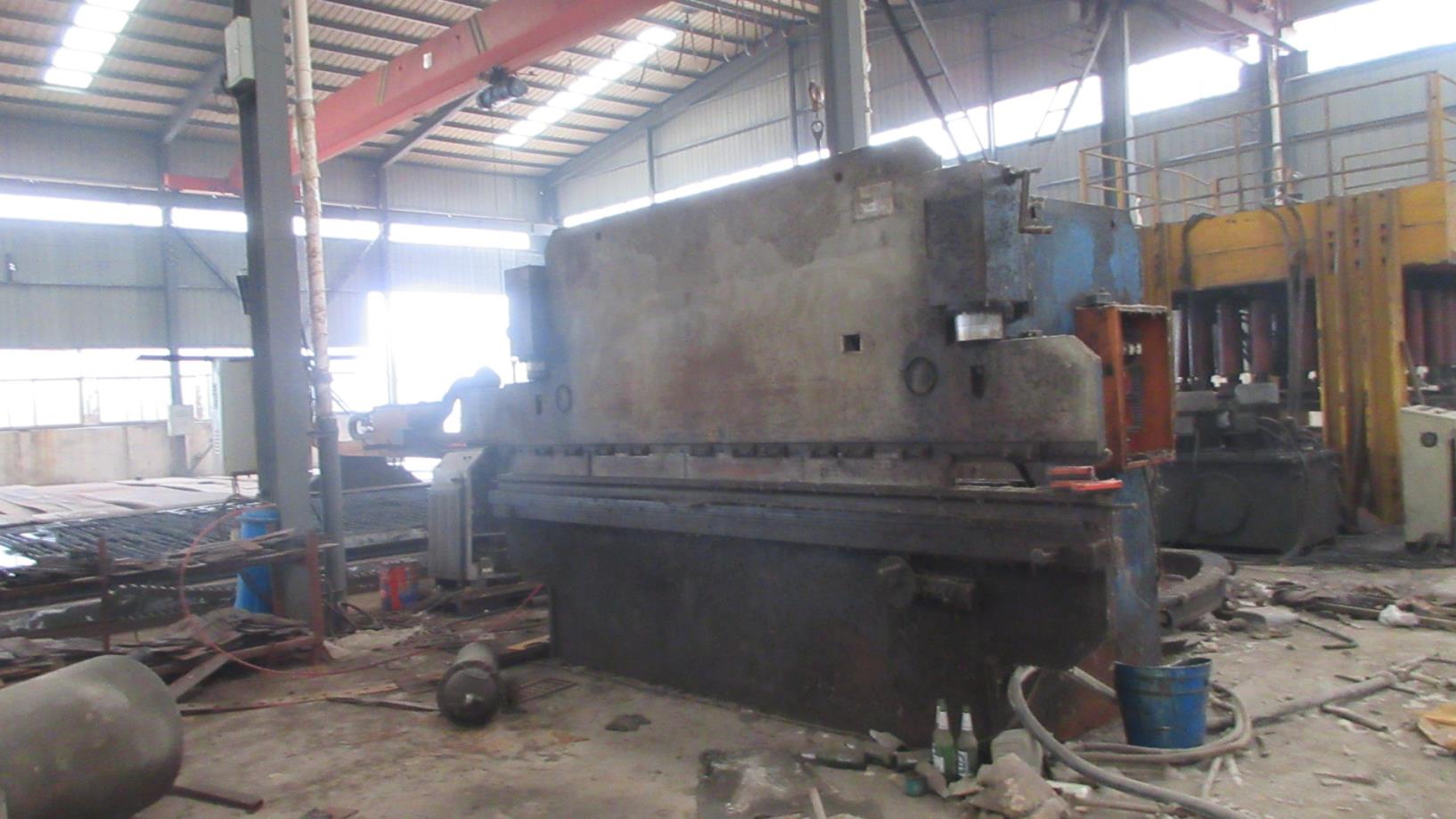
Large-scale CNC plate roll bending machines shape thick structural steel plates into perfect cylinders for heavy drum reactors.
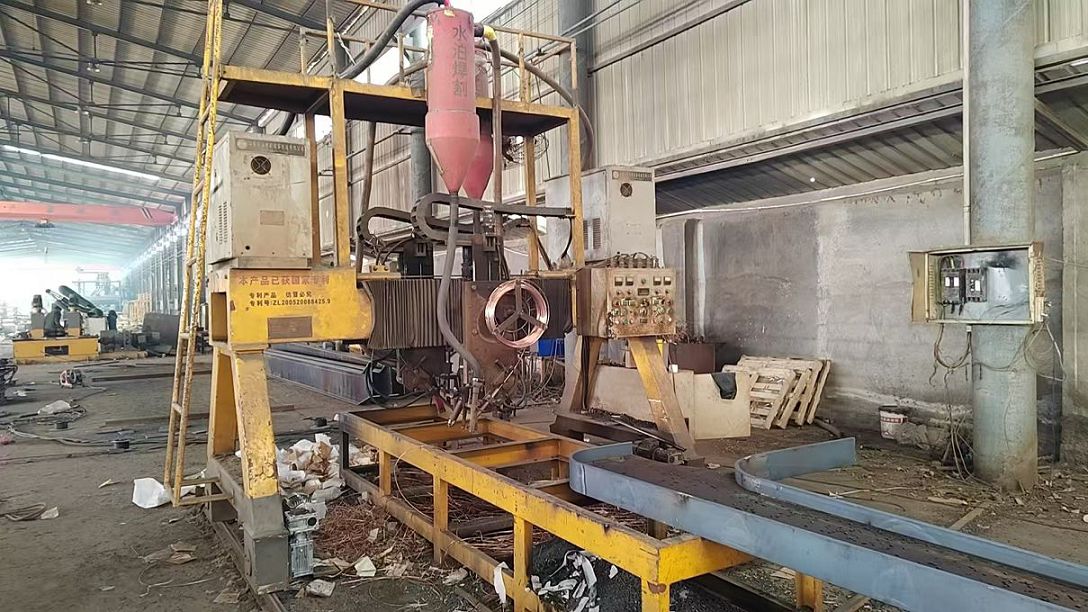
Gantry-style portal welding machinery yields highly consistent joints on long structural elements, preventing warping and stress fractures.
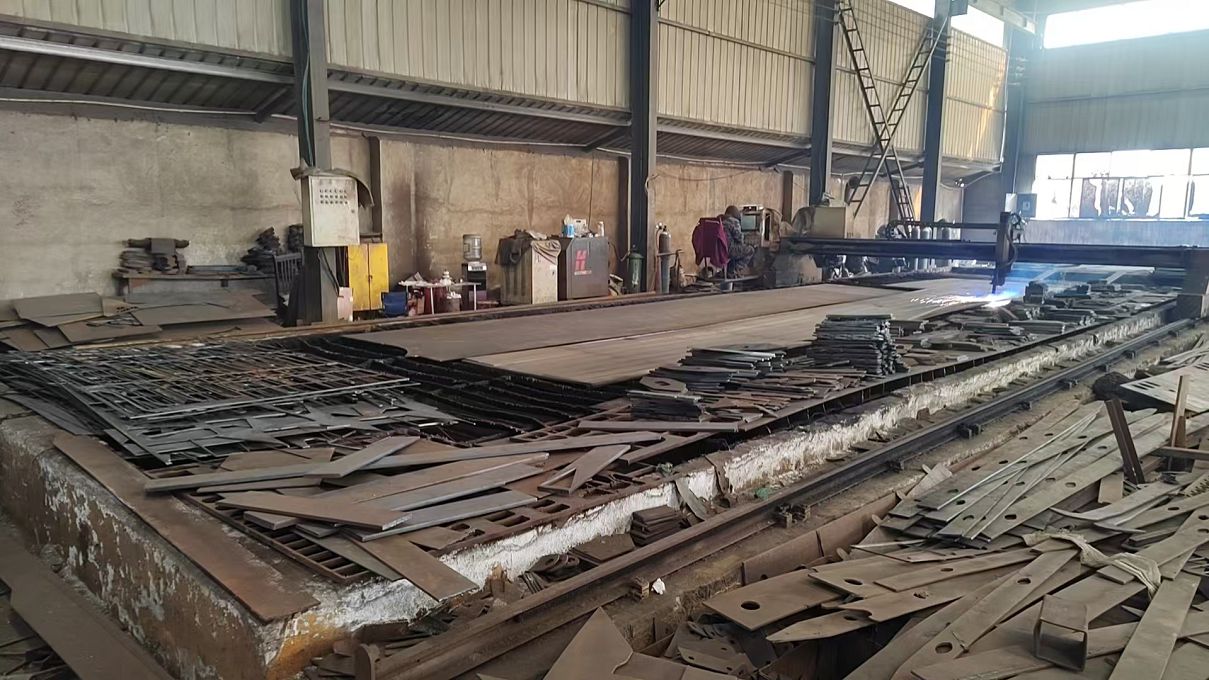
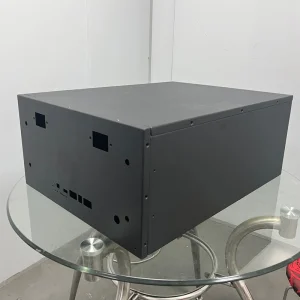
Ultra-high-power fiber laser cutters execute intricate geometries on structural carbon steel and alloys, minimizing kerf and heat distortion.
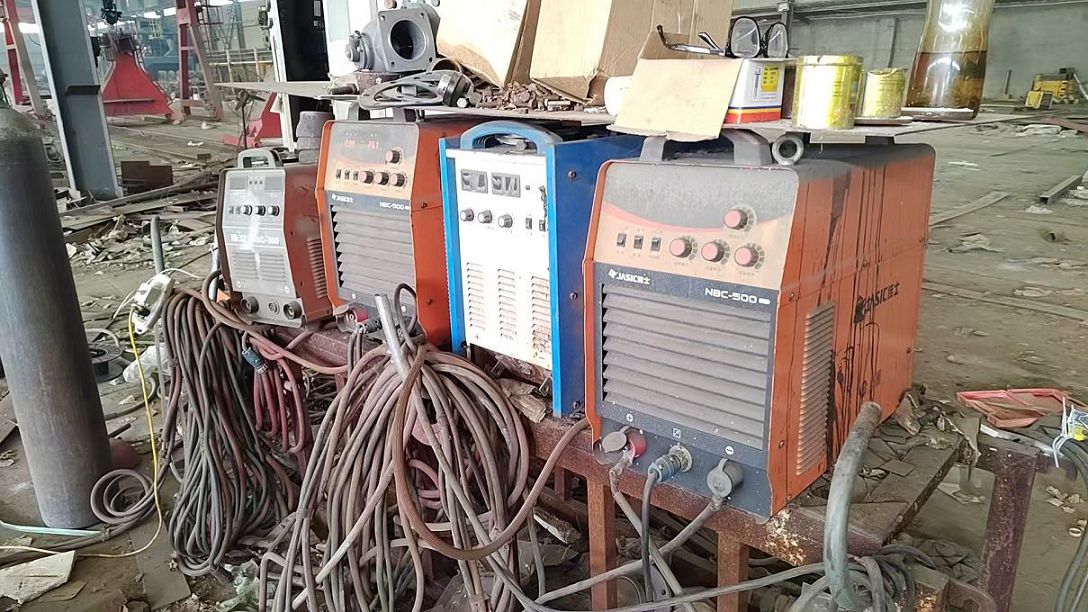
Manual fine-welding processes complement automated steps for auxiliary line assemblies, valve clusters, and hydraulic fittings.
Established as an industry pioneer to bridge high-performance machinery manufacturing with global distribution networks.
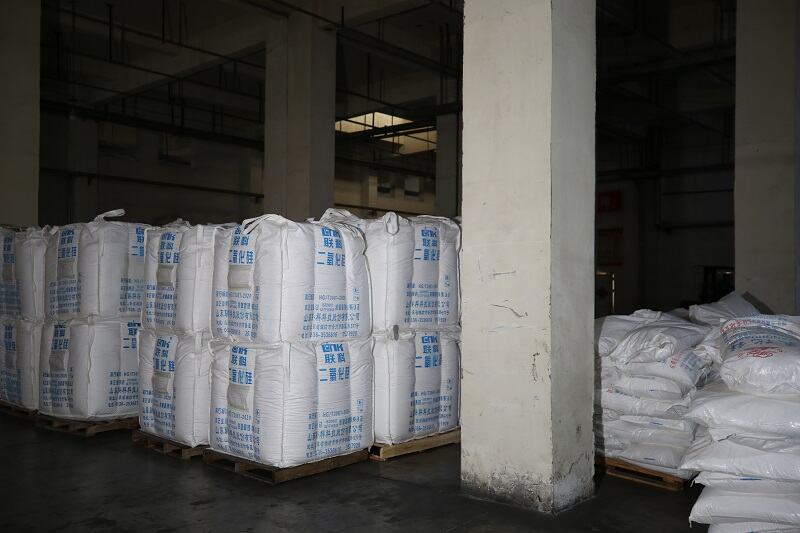
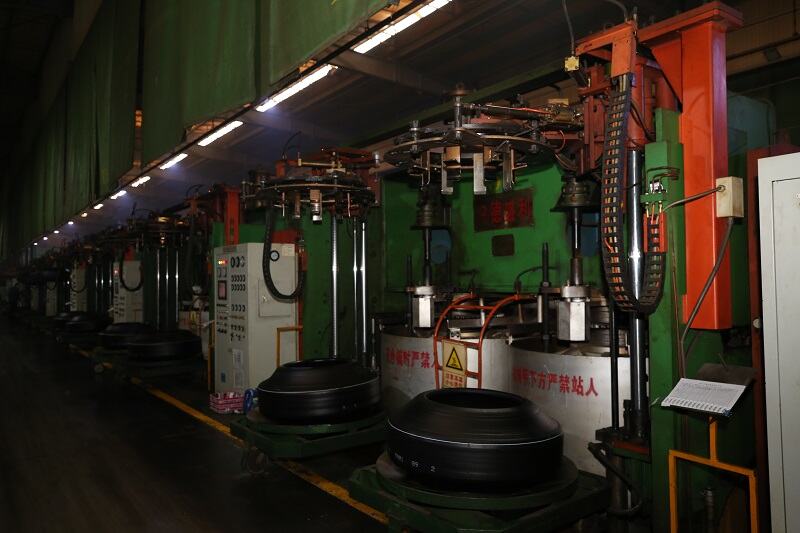
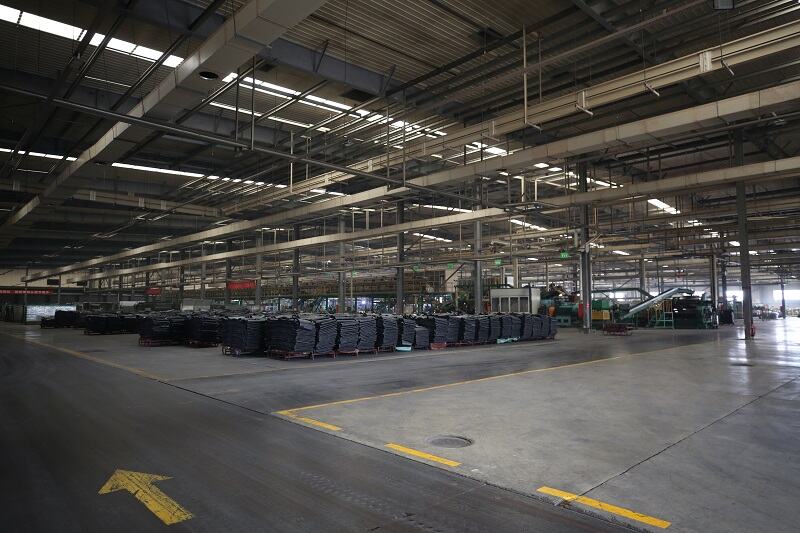
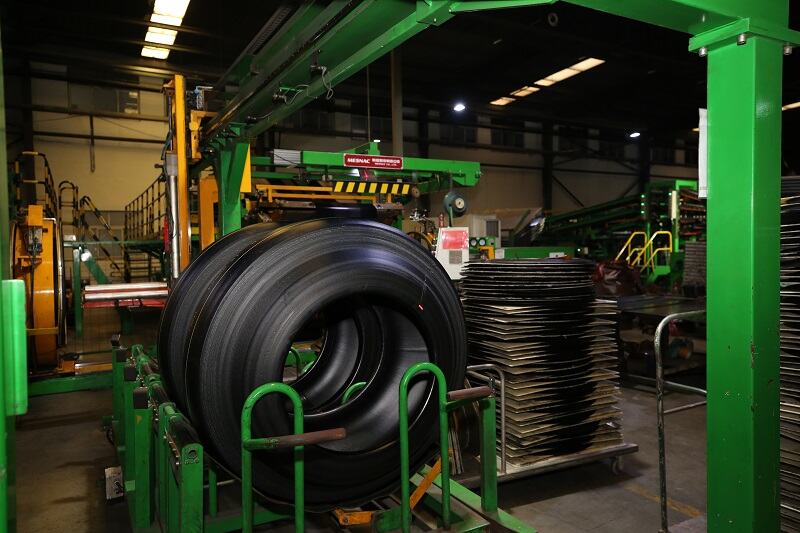
We aim to lead the industry in tire performance and sustainability, offering customers products that not only meet their highest expectations but also contribute to a greener, more efficient future.
Our company is proud to have a world-class R&D team, with each engineer bringing over 15 years of specialized tire development experience. This wealth of knowledge and expertise ensures that we not only maintain sustained product excellence but also innovate at an accelerated pace. From conceptualization to final production, our R&D team is constantly working to push the boundaries of tire technology, ensuring our customers always have access to the most advanced products on the market.
With an annual production capacity exceeding one million units, Qingdao C-Max Tire Co., Ltd. is equipped to meet the tire demands of customers around the world. We serve over 200 clients across more than 50 countries, with extensive warehousing capabilities ensuring timely delivery to every region. Our commitment to efficiency and quality enables us to fulfill large orders while maintaining consistency in product performance and delivery timelines.
At C-Max, we believe in the importance of sustainability. That’s why we are committed to reducing the environmental impact of tire production. By using eco-friendly materials, optimizing manufacturing processes, and constantly refining our products for energy efficiency, we are helping pave the way for a cleaner and more sustainable future for the automotive industry.
Whether you're looking for tires for personal vehicles, commercial trucks, or specialty applications, C-Max provides the solutions you need. Our focus on innovation, quality, and customer satisfaction ensures that you receive the best possible tire performance for your specific requirements.
How reclaimed tire components are integrated into major industrial, manufacturing, and commercial sectors globally.
Crumb rubber is utilized as a modifier in rubberized asphalt mixes (GAP/AR), providing superior resistance to structural rutting, reducing road noise, and expanding thermal durability limits in diverse climates.
Refined tire pyrolysis oil acts as a direct heat generation substitute in industrial boilers, heavy furnace applications, power plants, and secondary petroleum refining plants, lowering fuel procurement expenses.
Processed rCB replaces virgin fossil-based carbon black in manufacturing non-critical rubber items, conveyer belt composites, industrial hoses, masterbatches, and plastic molding processes.
Comprehensive answers regarding plant configuration, emissions thresholds, material yield, and international shipping logistics.
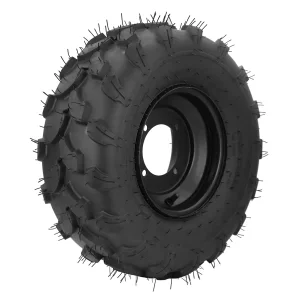
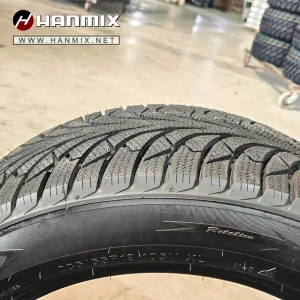
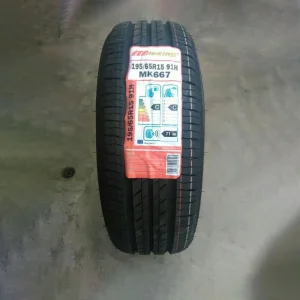
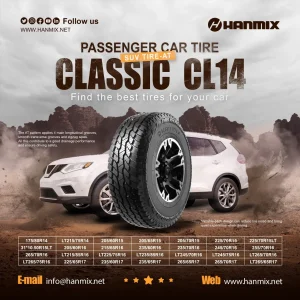
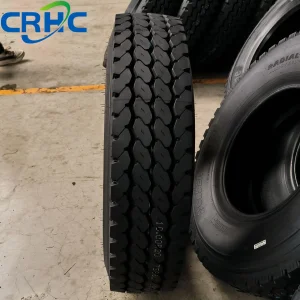
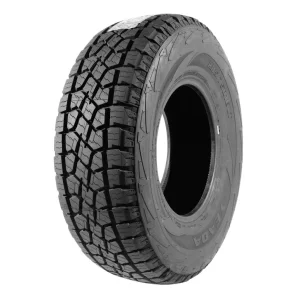
Heavy duty logistics, light truck, passenger vehicle, and off-road tire products engineered by Qingdao C-Max.