C-Max Tire
Understanding tire sidewall numbers is crucial for safe driving. Renowned industry expert Jane Mitchell states, "These numbers provide essential information on tire specifications." They guide consumers on performance, load capacity, and safety.
So, what do the numbers on a tire sidewall mean? These numbers indicate various attributes. For instance, the first number often shows the tire width in millimeters. The aspect ratio follows, revealing the tire's profile height. This seems straightforward, yet many overlook these details.
Learning to read tire sidewall numbers can improve vehicle performance. However, some buyers skip this vital step, risking safety. A lack of understanding might lead to purchasing the wrong type of tire. Each number holds importance that can influence driving experience and safety on the road.
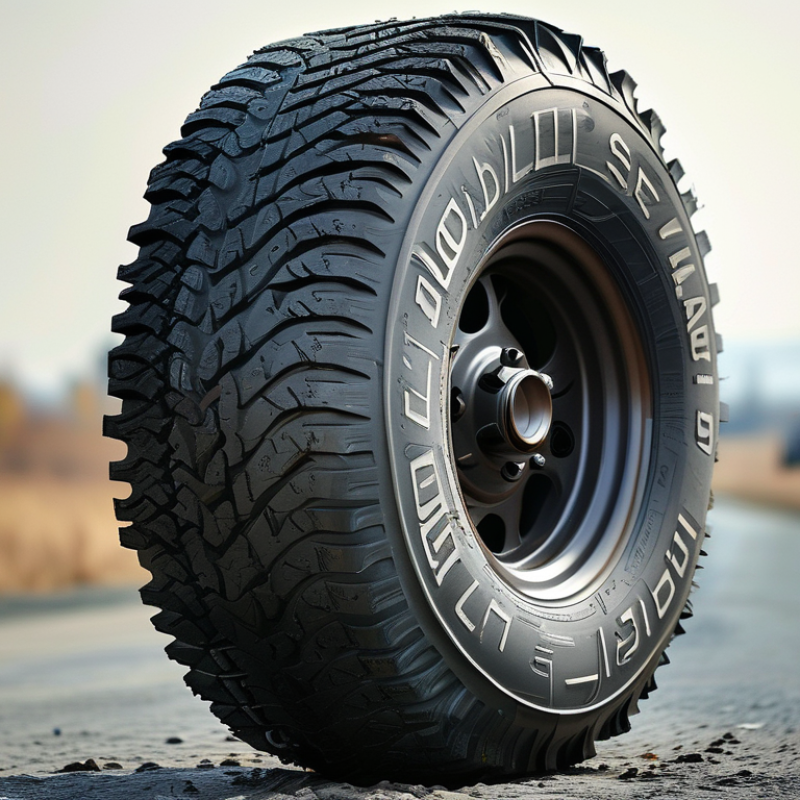
When buying tires, understanding sidewall numbers can seem confusing. These numbers provide essential information about tire specifications. Each number corresponds to important dimensions and characteristics of the tire. A common format includes a series like 205/55R16 91V.
The first set, '205', indicates the tire's width in millimeters. The '55' represents the aspect ratio, which is the height of the tire sidewall as a percentage of the width. The letter 'R' denotes that the tire is of radial construction. '16' indicates the diameter of the wheel in inches, while '91V' signifies the load index and speed rating. Such data is crucial for compatibility with vehicles.
Tips: Always check the manufacturer's recommendations for compatible tire sizes. Remember, incorrect tire sizes can affect handling and safety.
Additionally, the importance of tire pressure cannot be understated. The right pressure improves fuel efficiency and extends tire life. Regularly inspect your tire's sidewall for wear indicators. This small detail can prevent larger issues down the road.
It is easy to overlook some numbers, yet each one is critical. Take the time to understand these figures. Small mistakes in understanding tires can lead to major safety concerns.
This chart explains the distribution of various tire sidewall numbers, showcasing common specifications found in tires worldwide. Data points represent tire dimensions such as width, aspect ratio, and diameter, which are crucial for selecting the right tire.
When it comes to tire specifications, sidewall numbers reveal a lot about a tire's performance and suitability. Tire width is a crucial component. It directly affects grip, handling, and comfort. A wider tire often provides better traction, especially on wet surfaces. However, the balance must be maintained. Tires that are too wide can result in increased drag.
According to industry reports, a tire's width affects its contact patch with the road. An optimal contact patch can enhance braking performance. Data indicates that a contact patch increase of just 10mm can improve wet traction by approximately 5%. Yet, the choice of width is often misunderstood. Many buyers assume that wider is always better. They overlook their vehicle's design and intended use.
Additionally, tire width influences fuel efficiency. A narrower tire can reduce rolling resistance. Research shows that this can enhance fuel consumption by up to 3%. However, aiming solely for efficiency may compromise stability. Tire width must be considered alongside other factors. These include load capacity and driving conditions. Buyers need to think critically about their decisions. Understanding tire width helps in making informed choices.
| Tire Width (mm) | Aspect Ratio (%) | Diameter (inches) | Load Index | Speed Rating |
|---|---|---|---|---|
| 195 | 65 | 15 | 91 | V |
| 205 | 55 | 16 | 94 | W |
| 225 | 50 | 17 | 96 | Y |
| 235 | 40 | 18 | 99 | Z |
| 245 | 35 | 19 | 100 | W |
| 255 | 30 | 20 | 105 | Y |
| 265 | 25 | 21 | 110 | W |
| 275 | 30 | 22 | 112 | Z |
| 285 | 35 | 23 | 115 | Y |
| 295 | 40 | 24 | 118 | Y |
Understanding the aspect ratio of tires is essential for performance. This number is usually found on the tire sidewall. It represents the height of the tire's sidewall as a percentage of its width. For instance, a tire marked 225/50 means the sidewall height is 50% of its width of 225 mm. This ratio influences handling, comfort, and fuel efficiency.
A lower aspect ratio indicates a shorter sidewall. This often leads to better handling and responsiveness, especially in sports vehicles. On the other hand, a higher ratio suggests a taller sidewall. Such tires usually provide a smoother ride and more comfort, particularly on uneven surfaces. Yet, they may compromise handling precision at high speeds.
Every driver should consider their specific needs when choosing tire aspect ratios. An ideal aspect ratio balances performance and comfort according to driving habits. Relying solely on one ratio may not be enough. An informed decision involves considering weather conditions, road types, and intended usage. This way, you can choose tires that enhance performance and fit your lifestyle.
Understanding tire diameter is crucial for global buyers. The diameter of a tire affects its performance, fuel efficiency, and safety. According to data from the Tire Industry Association, the right tire size can improve vehicle handling by up to 15%. A mismatch in tire diameter can lead to improper speedometer readings and uneven wear.
Tire sidewall numbers include essential information. They indicate the tire width, aspect ratio, and diameter. For example, a tire labeled as 205/55R16 tells you the width is 205 mm, with an aspect ratio of 55%. This means the sidewall height is 55% of the tire width. The "R" denotes radial construction, and "16" indicates the diameter in inches. Choosing the correct diameter ensures compatibility with the wheel size and enhances driving experience.
Tips: Always verify your vehicle’s specifications before purchasing tires. Consult your owner's manual or a reliable source. Keep in mind; an incorrect diameter could lead to performance issues. Regularly inspect your tires to notice any odd wear or handling changes. This simple maintenance could save you time and money in the long run.
Understanding tire sidewall numbers can be complex. For buyers, load index and speed rating provide crucial information. The load index indicates the maximum weight a tire can carry. It is represented by a two-digit or three-digit number. For example, a load index of 95 means the tire can support approximately 1,521 pounds.
Speed rating, on the other hand, shows the tire's maximum speed capability. It is represented by a letter. For instance, a rating of "H" indicates the tire can safely travel up to 130 mph. Choosing the right load index and speed rating is key to ensuring safety. These numbers must align with the vehicle specifications.
However, many buyers overlook these details. This oversight can lead to unsafe driving conditions. Understanding your tire’s limits is essential. Always consult manuals or experts when in doubt. Being informed allows for better choices and enhances driving confidence. Remember, each tire is designed for specific conditions. Reflecting on these aspects can lead to a safer driving experience.
: They provide essential information about tire specifications, such as width, aspect ratio, and construction type.
It indicates the sidewall height as a percentage of the width, affecting handling and comfort.
It usually results in better handling and responsiveness, suitable for sports vehicles.
It indicates the maximum weight a tire can support, ensuring safety during use.
The right pressure improves fuel efficiency and extends tire life, so regular checks are crucial.
Small mistakes can lead to significant safety concerns, impacting handling and performance.
It shows the tire's maximum speed capability, which must match vehicle specifications for safe driving.
Your specific needs, including driving habits, weather conditions, and road types, are essential for informed choices.
Checking for wear indicators can prevent larger issues and enhance overall safety.
Many overlook the importance of sidewall numbers, leading to potentially unsafe driving conditions.
The article "Top 10 Tire Sidewall Numbers Explained for Global Buyers" serves as a comprehensive guide to understanding the numerical codes found on tire sidewalls. It begins with an introduction to tire sidewall numbers, explaining their significance for consumers seeking to make informed purchasing decisions. The breakdown includes essential elements such as tire width, which indicates the tire's suitability for different vehicles and driving conditions, and the aspect ratio, which provides insights into the tire's performance characteristics and handling.
Additionally, the article explores the importance of tire diameter in relation to vehicle compatibility and performance. It also delves into crucial specifications such as load index and speed rating, which inform drivers about the tire's capacity to carry weight and its maximum safe speed. Overall, readers will gain a clear understanding of "what do the numbers on a tire sidewall mean," empowering them to choose the right tires for their needs with confidence.
