C-Max Tire
Electric vehicles (EVs) are transforming the automotive landscape. Their unique demands require specialized components, particularly tires. The question arises: "Why do electric vehicles need special tires?" According to a recent report from the Tire Industry Association, EV owners might face tire wear rates that are 20-30% higher than traditional vehicles. This statistic highlights the significance of specialized tires designed to handle electric drivetrains' unique weight distribution and torque delivery.
Industry expert Dr. Jane Hu, a leading researcher in automotive safety, emphasizes, “Standard tires aren't built to manage the instant torque and heavy batteries of EVs.” The increased weight from battery packs alters handling dynamics, necessitating tires with reinforced structures. Additionally, tire rolling resistance plays a critical role. EVs require lower rolling resistance tires to maximize efficiency and range.
Even as EV technology advances, the tire industry must adapt accordingly. Some manufacturers still underestimate the unique needs of EVs. This oversight could lead to safety hazards. Implementing specialized designs can enhance performance and safety, ensuring a smoother driving experience. Hence, understanding "Why do electric vehicles need special tires?" becomes crucial for both manufacturers and consumers.
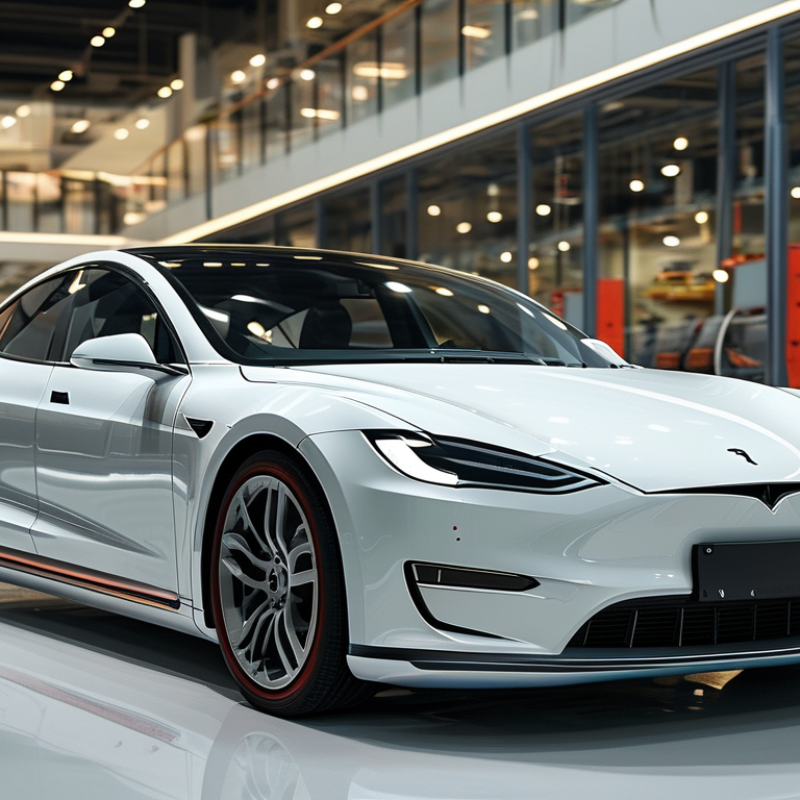
Electric vehicles (EVs) have unique requirements when it comes to tires.
Specialized tires
play a crucial role in enhancing EV performance. Their design focuses on weight distribution and energy efficiency.
EVs are generally heavier due to their batteries. This extra weight influences tire wear and handling.
Therefore, choosing the right tires is essential for safety and longevity.
Additionally, the silent operation of electric vehicles affects driving dynamics. Traditional tires produce noise that masks imperfections on the road.
Specialized tires for EVs often incorporate materials that reduce road noise. This leads to a quieter and more enjoyable ride. However,
not all tires provide this benefit equally. Thus, consumers must pay attention to tire specifications.
The traction needs of EVs differ from combustion engines. Instant torque delivery can lead to greater tire slip.
Specialized tires offer better grip in various conditions. This is vital for ensuring vehicle stability and driver confidence.
There is a need for ongoing research in this area, as tire technology evolves rapidly. Questions about sustainability also arise.
Are these specialized tires environmentally friendly? Overall, the focus on developing suitable tires for electric vehicles is still a journey.
Electric vehicles (EVs) have distinct weight distribution due to their heavy battery packs. This unique design can change how tires wear and perform. According to a study from the Tire Industry Association, EVs can weigh up to 25% more than comparable internal combustion vehicles. This added weight affects handling and tire longevity, demanding specialized tire designs.
Tires for electric vehicles must handle the increased torque produced by electric motors. A report by the European Tyre and Rubber Manufacturers’ Association highlighted that EV tires must provide better grip to manage rapid acceleration. Traditional tires may not sustain the higher levels of stress over time. Additionally, quieter rides in EVs heighten the impact of tire noise, making sound-damping features essential.
However, the industry's understanding of EV tire requirements is still evolving. There are concerns regarding the environmental impact of specialized tires, as they may use materials not seen in standard tires. More research is required to ensure these innovations align with sustainability goals. As the market for electric vehicles expands, continuous adaptations in tire technology will be crucial for performance and safety.
Electric vehicles (EVs) have unique requirements, especially concerning tires. Unlike traditional vehicles, EVs are heavier due to their batteries. This added weight affects tire performance. Therefore, special tires are designed to enhance traction and handling for EVs.
When driving an EV, the grip on the road is crucial. Enhanced traction helps in both acceleration and braking. EVs can accelerate quickly, which puts more stress on tires. Specialized tires improve stability during sharp turns. Their tread patterns are crafted to manage the unique torque of electric motors.
However, some might question the durability of these tires over time. While they are designed for performance, the trade-off in tread life is worth considering. Most EV owners may not notice the wear until it becomes significant. Regular maintenance is vital to ensure optimal performance. Balancing performance with longevity remains a challenge for manufacturers and drivers alike.
Electric vehicles (EVs) incorporate regenerative braking systems, which can significantly alter tire performance. This system harnesses energy during braking, converting it into power for the battery. However, it also causes increased wear on tires. According to the Tire Rack, tires on EVs may experience up to 25% more wear compared to traditional vehicles due to this braking technology.
The immediate impact of regenerative braking is the increased torque applied to the tires. This force can lead to rapid deterioration, especially if the tires are not specifically designed for such conditions. Studies indicate that specialized EV tires are crucial. They must have enhanced grip and durability to contend with the unique demands of regenerative braking.
**Tips:** Always check tire pressure regularly. Proper inflation can help optimize performance and extend tire life. Keep an eye out for unusual wear patterns, as they may indicate issues with alignment or suspension. When considering tire replacements, consult data and expert recommendations specifically for EVs to ensure compatibility.
| Reason | Impact on Tire Performance | Required Tire Features | Expected Tire Lifespan |
|---|---|---|---|
| 1. Regenerative Braking | Increases wear on tires | High durability compounds | 40,000 - 60,000 km |
| 2. Heavier Vehicle Weight | Greater rolling resistance | Reinforced sidewalls | 35,000 - 55,000 km |
| 3. Instant Torque Delivery | Enhanced traction needs | Traction-optimized tread design | 30,000 - 50,000 km |
| 4. Lower Operational Temperature | Alters heat buildup during braking | Heat-resistant materials | 40,000 - 65,000 km |
| 5. Noise Reduction Needs | Quieter operation at high speeds | Noise-damping tread patterns | 35,000 - 55,000 km |
| 6. Aerodynamics Optimization | Improves drag efficiency | Smooth rolling design | 30,000 - 50,000 km |
| 7. Increased Regenerative Capability | Requires high grip tires | Advanced rubber formulations | 40,000 - 60,000 km |
| 8. Climate Adaptation | Performance varies by temperature | Seasonal tread designs | 35,000 - 50,000 km |
| 9. Sustainability Requirements | Eco-friendly materials preferred | Biodegradable compounds | 30,000 - 50,000 km |
| 10. Customization Options | Individual preferences vary | Varied tread patterns | 25,000 - 45,000 km |
Electric vehicles (EVs) are gaining popularity worldwide. Their unique requirements for tires significantly differ from traditional vehicles. One major factor is noise reduction. EVs tend to operate more quietly. This quietness can make road noise more pronounced. Special tires are designed to minimize this issue.
Studies indicate that tire rolling resistance impacts EV performance greatly. According to a report by the U.S. Department of Energy, reducing rolling resistance by just 10% can increase the vehicle's range by 1-2%. Special tire designs use advanced materials, providing a balance between durability and low rolling resistance.
Furthermore, the complexity of EV driving dynamics necessitates tires that can handle different weight distributions. This aspect is often overlooked in conventional tire designs. Manufacturers face challenges in optimizing tire performance while maintaining comfort and safety. Relevant discussions in industry forums reflect that ongoing research is essential for developing tire technologies tailored to EVs.
: EVs have heavy battery packs, making them up to 25% heavier than similar vehicles. This affects tire wear and performance.
The added weight changes handling dynamics, necessitating specialized tire designs for better grip and stability.
Regenerative braking can lead to 25% more tire wear in EVs. It increases torque, causing rapid deterioration of standard tires.
Yes, they require enhanced grip and durability to handle increased torque and wear resulting from electric motors and braking systems.
Electric vehicles are quieter, making tire noise more noticeable. Sound-damping features are essential for a comfortable ride.
Yes, some specialized tires may use materials not found in standard ones, raising questions about sustainability.
Check tire pressure regularly to optimize performance. Unusual wear patterns might indicate alignment or suspension problems.
If you notice unusual wear or if tires do not meet expert recommendations, consider replacements for optimal safety and performance.
No, the understanding is still evolving. Ongoing research is needed to better align tire innovations with sustainability goals.
Electric vehicles (EVs) have unique requirements that necessitate the use of specialized tires. One of the primary factors is their distinct weight distribution, which significantly differs from traditional vehicles. This necessitates tires that can support the added weight of the battery systems while ensuring optimal performance and safety. Furthermore, enhanced traction and handling characteristics are essential for EVs, as the instant torque provided by electric motors can lead to increased tire wear if not properly managed.
Another critical aspect is the impact of regenerative braking, which can alter tire performance over time. Specialized tires are designed to withstand these unique stresses while maximizing efficiency. Lastly, the need for noise reduction and low rolling resistance further underscores the question: "Why do electric vehicles need special tires?" Addressing these specialized requirements helps ensure that EVs deliver a smooth, efficient, and safe driving experience.
