C-Max Tire
Tire maintenance is crucial for vehicle safety and performance. Many drivers often wonder, "Why are my tires wearing unevenly on the inside?" This issue can reveal underlying problems that need urgent attention. According to the Rubber Manufacturers Association, improper tire alignment can lead to a 50% decrease in tire lifespan.
Uneven tire wear is not just a cosmetic problem; it can compromise handling and increase stopping distances. A study from the National Highway Traffic Safety Administration highlighted that faulty alignment contributes to nearly 20% of all tire failures. Drivers may notice unusual patterns, such as excessive wear on the inner edges, which often signifies misalignment or suspension issues.
Neglecting these signs can lead to costly repairs and hazardous driving conditions. It's essential to regularly check alignment and tire pressure. Drivers should reflect on their tire maintenance habits. Are the checks routine? A proactive approach is vital, as it ensures safety and extends tire life.
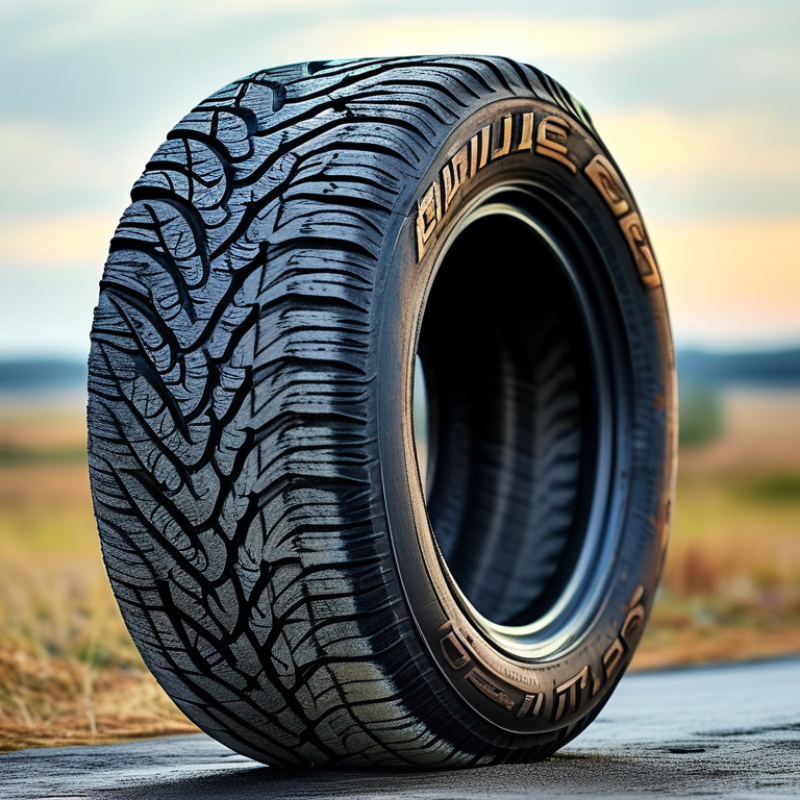
Uneven tire wear, especially on the inside, can signal various issues. First, incorrect wheel alignment is a common culprit. When wheels are not aligned properly, tires can wear unevenly, leading to rapid wear on the inner edges. This issue often goes unnoticed but can drastically shorten tire life. Regularly checking alignment can help prevent this problem.
Another factor to consider is tire pressure. Under-inflated tires can cause the sidewalls to flex excessively. This flexing can lead to more wear on the inner part of the tire. On the other hand, over-inflation may cause center wear. Monitoring tire pressure often can prevent significant problems later.
Finally, suspension components play a vital role in even tire wear. Worn or damaged suspension parts can lead to poor contact with the road. This uneven contact contributes to irregular wear patterns. It's crucial to assess and replace these components when necessary to maintain tire health. Addressing these factors can enhance safety and prolong tire life.
Uneven tire wear, particularly on the inside edge, is a common issue. Understanding its causes can help drivers prevent potential risks. According to the Tire Industry Association, alignment and suspension problems contribute significantly to this type of wear. When your vehicle's wheels are misaligned, the inside edges of the tires may scrub against the road. This friction leads to increased wear over time.
Another factor is improper inflation. Tires that are under-inflated or over-inflated alter contact with the road. A study by the National Highway Traffic Safety Administration found that under-inflated tires could wear up to 25% faster. This wear is especially pronounced on the inner edges. Regular tire pressure checks are essential for tire longevity.
Lastly, aggressive driving habits can exacerbate the problem. Rapid cornering and hard braking place additional stress on tires. Over time, this can lead to uneven wear patterns. Maintaining a smooth driving style can help mitigate these effects. By addressing alignment, inflation, and driving habits, drivers can foster better tire performance and safety.
Wheel alignment plays a crucial role in the longevity of your tires. When wheels are misaligned, the tires can wear unevenly, particularly on the inside edges. This can occur due to various factors, like hitting potholes or driving over curbs. When this happens, it can lead to premature tire replacement, costing you money and safety.
The effects of poor alignment can be subtle at first. You might notice your car drifting slightly to one side. This often gets ignored, but it signals a larger issue. If not addressed, you’ll likely end up with tires that are bald on the inner edges. Checking your tire tread regularly ensures you catch these problems early. Uneven wear can also affect handling. When tires wear unevenly, your vehicle may feel unstable.
Proper wheel alignment ensures even weight distribution across your tires. It improves grip and enhances fuel efficiency. As tires experience even wear, they last longer. Regular maintenance and alignment checks are simple ways to protect your investment. Ignoring alignment issues could lead to costly repairs down the line. It’s worth taking the time to evaluate your tire health.
Uneven tire wear, especially on the inside edges, often points to suspension issues. Poor alignment can cause the tires to tilt. When this happens, the weight distribution shifts, leading to accelerated wear on one side. According to the Tire Industry Association, improper alignment can reduce tire life by up to 30%. This statistic emphasizes the importance of having a properly functioning suspension system.
Suspension components, such as struts and control arms, play a critical role in maintaining tire contact with the road. If these components are worn or damaged, they can lead to instability. A study by the National Highway Traffic Safety Administration found that nearly 50% of vehicles on the road have suspension problems. This can result in not only uneven tire wear but also compromised handling and safety risks.
Regular inspection of suspension systems is vital. Professionals recommend checking alignment every 6,000 miles. Ignoring these issues can lead to costly replacements and decreased vehicle performance. Drivers often overlook this maintenance, leading to severe consequences down the line. A proactive approach to suspension health can promote even tire wear and improve overall driving experience.
Uneven tire wear, particularly on the inside, often results from misalignment or improper inflation. According to a study from the Tire Industry Association, approximately 30% of tires suffer from premature wear due to incorrect alignment. The effects can be costly, leading to more frequent replacements and potential safety risks on the road.
Regular tire rotation is a key preventative measure. The American Automobile Association recommends rotating tires every 6,000 to 8,000 miles. This practice allows tires to wear more evenly, improving performance and extending their lifespan. Additionally, monitoring tire pressure is crucial. Tires should be inflated to the manufacturer's recommended levels. Under-inflation can increase wear on the inner edges by up to 50%.
Investing in professional alignment checks can prevent future issues. Research shows that improper alignment can reduce tire life by 25%. It's wise for vehicle owners to schedule regular inspections. This can help identify problems early and avoid expensive damage. Ignoring these maintenance tips could lead to further complications and regrets down the road.
| Cause of Uneven Wear | Description | Preventative Measure |
|---|---|---|
| Improper Alignment | Misaligned wheels can cause tires to wear unevenly, particularly on the inner edges. | Regularly check and adjust wheel alignment as necessary. |
| Underinflation | Tires that are not properly inflated can cause increased wear on one side of the tread. | Check tire pressure regularly and inflate to the recommended levels. |
| Overloading | Carrying too much weight can lead to excessive wear on the inner part of the tire. | Be mindful of load capacity and avoid overloading your vehicle. |
| Worn Suspension Components | Faulty suspension can lead to uneven tire contact with the road. | Regularly inspect and replace worn suspension parts. |
| Improper Tire Rotation | Not rotating tires can lead to uneven wear patterns. | Follow a regular tire rotation schedule (every 5,000 to 7,500 miles). |
: Misalignment and suspension problems are common causes. They lead to increased friction against the road.
Improper tire inflation can cause uneven contact. Under-inflated tires wear up to 25% faster on inner edges.
Aggressive driving, like rapid cornering, increases stress on tires. This can lead to uneven wear patterns.
Worn suspension components can tilt tires. This leads to accelerated wear on one side, reducing tire life.
It’s advised to inspect alignment every 6,000 miles. Neglecting this can result in costly replacements later.
Tire rotation promotes even wear. It's recommended every 6,000 to 8,000 miles for improved lifespan and performance.
Maintaining correct tire pressure prevents excessive wear. Under-inflation can increase wear on inner edges significantly.
Ignoring issues can lead to uneven wear and safety risks. Proactive maintenance can enhance safety and performance.
Smooth driving can reduce wear. Aggressive habits contribute to premature tire damage and safety concerns.
Regular inspections, alignments, and proper inflation are key. Neglecting these can cause regrettable issues in the future.
In addressing the question, "Why are my tires wearing unevenly on the inside," it's essential to understand various factors contributing to inner tire wear. Common causes include improper wheel alignment, which can lead to excessive negative camber, emphasizing wear on the inside edge of the tires. Additionally, suspension problems such as worn-out components or misalignments can exacerbate this uneven wear, creating an uncomfortable driving experience and safety concerns.
To ensure even tire wear, regular maintenance is crucial. Routine wheel alignments and suspension checks can help detect issues early. Furthermore, monitoring tire pressure and rotating tires periodically can significantly extend tire life and enhance vehicle performance. By implementing these preventative measures, drivers can address inner tire wear effectively and promote safer driving conditions.
