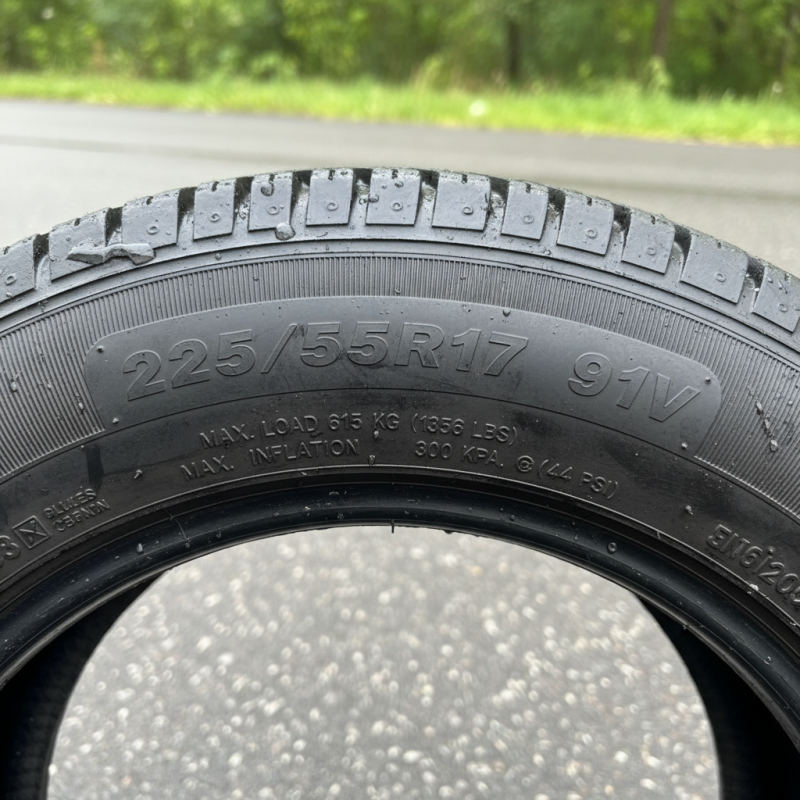
Understanding tires is crucial for safety and performance. Many drivers overlook the details on their tire sidewalls. What do the numbers on a tire sidewall mean? These numbers convey essential information, from tire size to load capacity and speed ratings.
This article breaks down each element clearly. For instance, the tire width is measured in millimeters. The aspect ratio follows, indicating the tire's height as a percentage of its width. Some may find this complex. It’s easy to assume all tires are alike. However, recognizing these specifications can significantly impact vehicle handling and safety.
Neglecting tire details can lead to mishaps. Consider the cost of a flat tire or poor traction. Reflect on your choices and tire knowledge. You could help yourself and others by staying informed. As drivers, we hold responsibility for our safety on the road. Understanding what those numbers mean is the first step.
Understanding Tire Sidewall Markings
Understanding the numbers on your tire sidewall is essential for safety and performance. Each marking conveys vital information about the tire's specifications. For instance, the first set of numbers, like 225/60R16, indicates the tire width, aspect ratio, and radial construction. Industry standards show that improper tire sizing accounts for 30% of tire-related incidents.
The load index and speed rating follow these specifications. A load index of
98 means the tire can safely carry up to
1,200 pounds. In contrast, a higher speed rating indicates increased performance capabilities. It's crucial not to overlook these details; using tires not rated for your vehicle can lead to failures on the road.
Many drivers ignore the
DOT code, which provides information about the manufacturing week and year. For example, a code starting with
"2418" signifies the tire was made in the 24th week of 2018. Neglecting this detail can result in using older tires, increasing the risk of blowouts by
15%. Understanding these markings can enhance safety and prolong tire life, making it worthwhile to pay attention to this often-overlooked area.
Key Components of Tire Specifications
Understanding tire specifications is essential for safe driving. The markings on a tire sidewall provide crucial information. Each number and letter signifies specific details about the tire's size, type, and performance capabilities. For instance, a tire marked with "P215/65R15" indicates the tire type, width, aspect ratio, and construction method.
The first part of the code, "P," refers to passenger vehicles. The width, "215," measures the tire's width in millimeters. Following that, "65" represents the aspect ratio, which is the height relative to the width. A lower aspect ratio typically means better performance but can affect comfort.
Other important elements include the load index and speed rating. The load index tells you how much weight the tire can support. The speed rating indicates the maximum speed the tire can safely handle. It's crucial to consider these factors when choosing tires. Often, people overlook them, leading to potential hazards. Learning to decode the sidewall can prevent mistakes and enhance driving safety.
Interpreting Tire Size Numbers and Codes
Understanding tire size numbers is crucial for safety and performance. Each tire has a code on its sidewall that provides vital information. This may include width, aspect ratio, and diameter. For example, a code like P215/65R15 reveals dimensions. The "P" indicates it’s meant for passenger vehicles. The "215" refers to the tire's width in millimeters. The "65" is the aspect ratio, reflecting the height as a percentage of the width. Lastly, "R15" signifies a radial structure with a 15-inch diameter rim.
Interpreting these numbers accurately can enhance vehicle safety. Research shows that using the correct tire size can impact fuel efficiency by 3-5%. Moreover, improper sizing might lead to handling issues. A tire that is too wide can cause uneven wear, while one that is too narrow may struggle under load. According to the Tire Industry Association, about 30% of drivers incorrectly inflate their tires. This can further compromise performance and longevity.
Drivers should ensure they understand these codes. Misinterpretation can lead to accidents or costly repairs. Regular checks and educated choices help in maintaining optimal tire health. Always refer to vehicle manufacturer guidelines. Small mistakes in this aspect should not be overlooked. Even seasoned drivers can face challenges interpreting these numbers correctly. Understanding tire sizes fully is an ongoing journey.
Deciphering Load Index and Speed Rating
Understanding load index and speed rating is vital for safe driving. The load index indicates how much weight a tire can carry. This number can range from 0 to 279. For example, a load index of 95 means the tire can support up to 1,521 pounds. Tire manufacturers calculate this based on high-temperature conditions. Choosing the right load index keeps the vehicle stable.
Speed rating, on the other hand, signifies the maximum speed a tire can safely handle. Ratings range from L (75 mph) to Y (186 mph). A common rating is H, meaning the tire can manage up to 130 mph. However, exceeding these limits can lead to tire failure. A report from the Tire Industry Association notes that improper speed ratings contribute significantly to tire blowouts, leading to serious accidents.
Choosing tires with appropriate ratings protects not just the vehicle but also its occupants. Forging ahead with mismatched specifications can lead to dangerous situations. Data from road safety studies show that about 29% of drivers overlook tire specifications altogether. This reveals a gap in awareness that must be addressed for better road safety.
Exploring Additional Tire Information and Symbols
Understanding the symbols and numbers on a tire's sidewall is essential for safe driving. Each detail provides vital information about the tire's construction and performance. For instance, the “P” in “P225/65R17” denotes a passenger tire, while the subsequent numbers indicate width, aspect ratio, and diameter. This coding is not arbitrary; it’s designed to help consumers choose tires suited to their vehicle and driving needs.
Additionally, symbols such as the snowflake represent winter suitability. Data from the U.S. Tire Manufacturers Association reveals that tires marked with this symbol perform better in snowy conditions. The sidewall also contains information about load capacity and maximum inflation pressure. Tires should be properly inflated to the pressure indicated, as under-inflation can lead to increased wear and tear. Research shows that a 20% under-inflation can decrease fuel efficiency by 3%.
Some elements, like the DOT code, can seem daunting but provide crucial safety information. It reveals the tire's manufacturing date and can indicate recalls or safety notices. Though many drivers overlook these details, being informed can make a significant difference. Regularly checking tire health and understanding these markings fosters safer driving experiences.
Conclusion
The article "What Do the Numbers on Your Tire Sidewall Really Mean?" delves into the critical components of tire sidewall markings that provide essential information for vehicle safety and performance. Understanding these markings begins with recognizing tire specifications, which include tire size numbers, load index, and speed rating. These elements help drivers determine the appropriate tires for their vehicles, ensuring optimal handling and safety.
Moreover, the article explains how to interpret the various numbers and codes found on a tire's sidewall, such as the load index, which indicates the maximum weight the tire can carry, and the speed rating, which denotes the maximum speed capability. Additionally, it highlights other symbols and information that can be crucial for maintaining tire health and understanding tire construction. Ultimately, this comprehensive guide assists readers in answering the question, "What do the numbers on a tire sidewall mean?" by providing valuable insights into tire specifications that can enhance driving experience and safety.
 C-Max Tire