C-Max Tire
The tire pressure monitoring system (TPMS) is crucial for vehicle safety. When drivers ask, "Why is my tire pressure light still on after filling?", they should understand this may indicate underlying issues. According to the National Highway Traffic Safety Administration, low tire pressure contributes to 25% of vehicle crash incidents.
Many drivers underestimate the importance of proper tire pressure. Recent studies show that nearly 70% of vehicles on the road have improperly inflated tires. Common issues include sensor malfunctions or tire leaks. These factors can cause the tire pressure light to remain illuminated, even after filling.
Understanding the reasons behind a persistent tire pressure light is essential for road safety. Ignoring these signals can lead to tire blowouts or reduced fuel efficiency. Regular maintenance and awareness are critical in addressing these concerns. Being informed can empower drivers to make safer choices on the road.
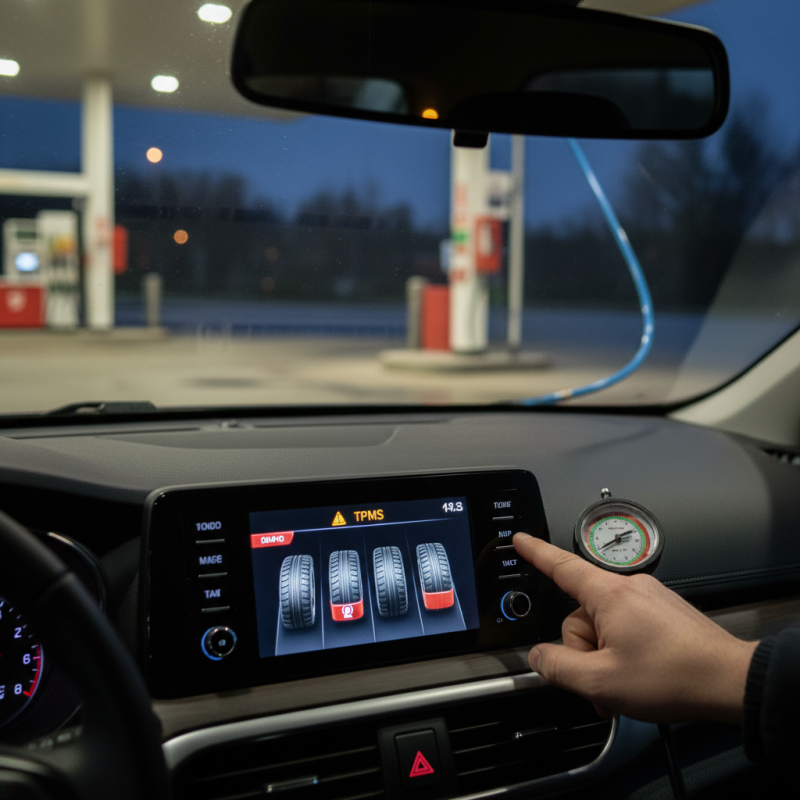
After filling your tires, it's frustrating to see the tire pressure light remain on. Several factors can lead to this issue. A common cause is a slow leak. Even a small puncture can allow air to escape gradually, keeping the light illuminated. According to the Tire Industry Association, roughly 30% of drivers have at least one tire under-inflated by 8 psi or more, which can trigger this warning light.
Another reason might be a faulty tire pressure monitoring system (TPMS). Sensors can fail due to battery depletion or damage. Data from the National Highway Traffic Safety Administration shows that many vehicles are equipped with TPMS. However, around 20% of drivers are unaware of their tire pressure status. This highlights the importance of regular maintenance and checking the system's functionality, rather than relying solely on automated warnings.
Temperature fluctuations can also affect tire pressure. On average, tires lose about 1 psi for every 10°F drop in temperature. This change can happen quickly, especially during seasonal shifts. If you filled your tires in warmer conditions, cooler weather could drop the pressure, making the light stay on. Not addressing these factors can lead to uneven tire wear and reduced fuel efficiency. Understanding these aspects is crucial for maintaining vehicle safety and performance.
Tire pressure management systems (TPMS) play a crucial role in vehicle safety. They monitor tire pressure and alert drivers when levels are too low. According to the National Highway Traffic Safety Administration (NHTSA), under-inflated tires can reduce fuel efficiency by 3-4%. This loss can add up over time. Proper management of tire pressure helps avoid these risks.
Despite filling tires, the pressure light may still stay on due to sensor issues. These sensors can fail or become faulty over time. A Tire Industry Association report highlights that 30% of TPMS sensors are not functioning correctly after five years. It's essential to regularly check these components to ensure accurate readings.
The system may also require recalibration after adjustments. Some drivers forget this crucial step. Ignoring it can lead to misunderstandings about tire conditions. Keeping an eye on tire performance goes beyond just filling air. Regular maintenance is key to safe driving.
| Reason | Description |
|---|---|
| Improper Inflation | Tires may not have been inflated to the correct pressure even after filling. |
| Sensor Issues | Tire pressure monitoring sensors can malfunction or become low on battery. |
| Temperature Changes | Cold weather can lower tire pressure, causing the light to remain on. |
| Punctures and Leaks | Tires may have punctures or leaks that cause air loss, leading to a warning light. |
| Resetting Issues | Some cars require a manual reset of the tire pressure monitoring system after filling. |
| Faulty Wiring | Damaged or corroded wiring can cause sensor readings to be inaccurate. |
| Incorrect Tire Size | Using tires that are not the recommended size can affect pressure readings. |
| Tire Age | Old tires can lose air pressure more rapidly, causing the light to remain illuminated. |
| System Malfunction | Faults within the tire pressure management system itself can trigger the warning light. |
Temperature fluctuations can significantly affect tire pressure readings. As the temperature drops, tire pressure usually decreases. According to the Rubber Manufacturers Association, for every 10°F drop in temperature, tire pressure decreases by about 1 psi. This change can lead to a false reading on your tire pressure monitoring system (TPMS). If you just filled your tires and the light remains on, the drop in temperature could be the culprit.
Conversely, when temperatures rise, tire pressure can increase, leading to overinflation. This is crucial to monitor, as overinflated tires may wear unevenly or even burst. A study from the National Highway Traffic Safety Administration found that under-inflated tires increase the risk of tire blowouts and accidents. Drivers should regularly check tire pressure, especially during seasonal changes. Ignoring these fluctuations can lead to safety hazards.
Monitoring the temperature closely can help you maintain optimal tire pressure. Regular checks ensure that your tires are always at the recommended level. Remember, taking a proactive approach is vital for vehicle safety and performance. It's easy to overlook, but tire pressure stability is essential for safe driving.
Tire pressure lights often stay illuminated even after filling tires. This can be frustrating for car owners. One reason involves tire sensors. These sensors play a crucial role in monitoring tire pressure. Most modern vehicles use tire pressure monitoring systems (TPMS), which can sometimes malfunction. Such issues contribute to erroneous readings.
Calibration issues can further complicate things. When tire pressure is adjusted, the TPMS needs recalibration. According to industry reports, about 20% of vehicles on the road have improperly calibrated tire pressure systems. This leads to unnecessary warning lights. In some cases, drivers might fail to reset the system after an adjustment. This oversight can leave the light on, causing confusion.
Environmental factors also impact sensor performance.
Extreme temperatures can affect sensor accuracy. Cold weather often causes a drop in tire pressure.
Conversely, heat can lead to over-inflation.
Understanding these dynamics is essential. Many drivers overlook how changing conditions affect tire health.
Regular checks and maintenance are necessary for reliable sensor function. Ignoring these aspects can lead to
suboptimal driving safety.
The tire pressure light can be a persistent issue, even after filling the tires. Several factors may contribute to this alert. A common cause is an inaccurate tire pressure reading. According to the Tire Industry Association, roughly 30% of drivers do not check tire pressure regularly, leading to improper inflation.
Another reason could be a malfunctioning tire pressure monitoring system (TPMS). Sensors may become faulty over time, which can prevent accurate readings. Additionally, temperature changes can affect tire pressure. A drop of just 10 degrees Fahrenheit can cause a loss of 1-2 PSI, as noted by the National Highway Traffic Safety Administration.
Tips: Regularly checking tire pressure can significantly reduce the chances of alerts. Use a reliable gauge and monitor pressure at least once a month. Ensure each tire is inflated according to the vehicle’s specifications. If the light persists, consider having a professional inspect the TPMS.
Keep in mind that under or over-inflated tires can result in poor handling and increased wear. According to a study from the American Automobile Association, properly inflated tires can enhance fuel efficiency by 3%. Ignoring tire pressure issues can lead to larger problems down the road, both financially and in terms of safety.
: A slow leak might be the problem. Even a small puncture can let air escape gradually.
Sensors can fail due to battery issues or damage. Regular maintenance is crucial to check their functionality.
Yes, tires lose about 1 psi for every 10°F drop in temperature. This can cause the warning light to stay on.
Incorrect calibration leads to unnecessary warning lights. About 20% of vehicles have such issues.
Regular checks and maintenance are essential. Neglecting tire health can reduce fuel efficiency and safety.
Yes, many drivers overlook their tire pressure status. Around 20% are unaware of their tire conditions.
Check for leaks and ensure proper calibration. If issues persist, consult a professional.
Absolutely, both cold and hot weather can affect sensor accuracy. Awareness of this is often lacking among drivers.
It promotes safety and enhances vehicle performance. Ignoring it can lead to significant driving risks.
Ideally, check it at least once a month. Regular monitoring can help prevent future issues.
The article "Top 10 Reasons Tire Pressure Light Is Still On After Filling?" provides a comprehensive overview of the factors that can cause the tire pressure warning light to remain illuminated even after tires have been refilled. It outlines common causes such as tire damage, sensor issues, and calibration problems that may lead to persistent alerts. Additionally, it explains how temperature fluctuations can impact tire pressure readings, causing discrepancies in tire management systems.
Understanding the functionality of these tire pressure management systems is crucial for drivers asking, "Why is my tire pressure light still on after filling?" The article emphasizes the importance of proper diagnosis and resolution of these alerts to ensure safe driving conditions, highlighting the role of tire sensors and the need for regular calibration to maintain accurate pressure readings.
