Why is My Tire Pressure Light Still On After Filling Up?

Time:2026-07-26 Author:Isabella
0%

Tire pressure is crucial for vehicle safety and performance. Many drivers often experience confusion when they see the tire pressure light still on after filling up. Industry expert Dr. Mark T. Anderson, an automotive engineer, often emphasizes, “A tire pressure light can indicate more than just low air; it’s a sign to investigate further.”

Understanding the reasons behind the light can save drivers from potential hazards. Sometimes, a tire might still be low on air despite a recent fill-up. It could have a slow leak or an issue with the valve stem. Additionally, temperature changes can affect tire pressure. After a cold night, even filled tires may show a warning light due to contraction.

It is also essential to remember that sensors can malfunction. Even after ensuring tires are filled, the system may need a reset. Do not ignore the warning; it serves as a reminder to check everything thoroughly. As Dr. Anderson suggests, “Being proactive with tire maintenance can prevent unexpected issues on the road.” Understanding "Why is my tire pressure light still on after filling" is vital for every driver.
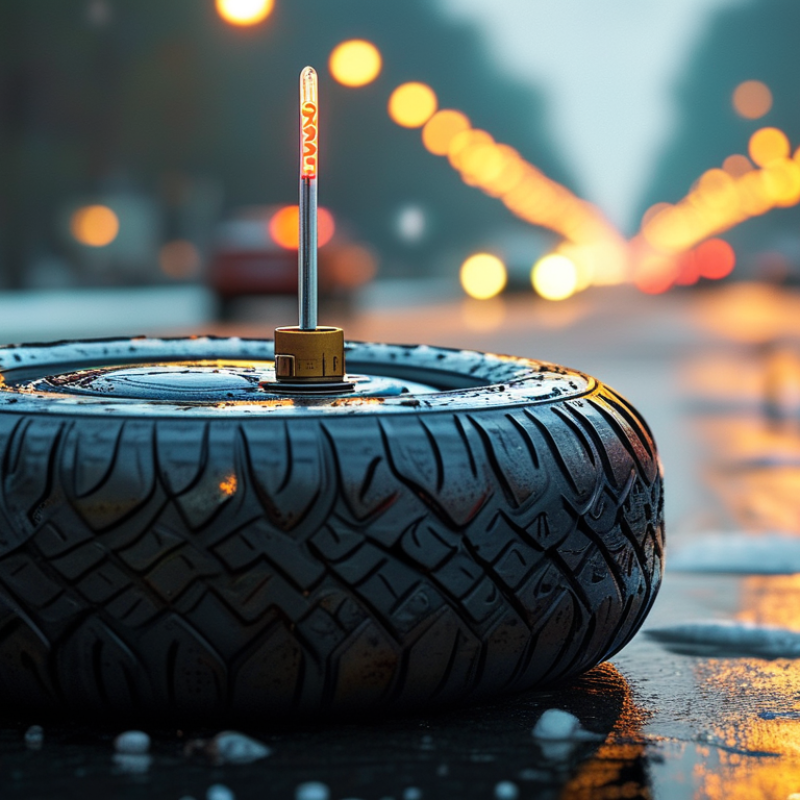
Why is My Tire Pressure Light Still On After Filling Up?

Understanding Tire Pressure Monitoring Systems (TPMS)

When the tire pressure light stays lit after filling up, it raises questions about the tire pressure monitoring system (TPMS). This system uses sensors to monitor tire pressure. If one tire is significantly low, the warning light activates. However, it can also alert drivers to issues with the sensors themselves.

Sometimes, a TPMS fault can occur. If the sensors are damaged or malfunctioning, they may not accurately reflect the pressure levels. A flat tire can also confuse the system. Even if you’ve inflated your tires, the light may remain on until a reset is performed. This can vary depending on the vehicle's system.

Moreover, temperature changes can impact tire pressure. As outside temperatures drop, tire pressure can decrease. It's important to check your tire pressure regularly. Ignoring the warning light can lead to further complications. Understanding how your TPMS functions can be key to effective tire maintenance.

Common Reasons for Tire Pressure Light Activation

After filling your tires, it can be confusing if the pressure light remains on. Several factors could be at play. One common reason is a malfunctioning tire pressure monitoring system (TPMS). According to industry data, nearly 30% of TPMS sensors fail within six years, leading to incorrect pressure readings. This failure often results in unnecessary concern and confusion for drivers.

Another reason could be that the tire pressure isn’t properly adjusted. For instance, if only a small amount of air is added, it might not be enough to turn off the light. Data from tire safety assessments indicate that 1 in 5 vehicles may operate with under-inflated tires. This could create safety issues and reduce fuel efficiency, underscoring the importance of regular tire checks.

Temperature fluctuations can also influence tire pressure. As temperatures drop, so does the tire pressure, with an estimated loss of 1 psi for every 10-degree decrease. This means that tire pressure should be regularly monitored, particularly during seasonal changes. Inadequate attention to these details may lead to persistent warning lights and the potential for unsafe driving conditions. Understanding these factors can help drivers make informed decisions about their vehicle maintenance.

Steps to Take After Filling Up Your Tires

After filling up your tires, it's frustrating when the tire pressure light remains on. This problem often indicates that something's still amiss. Start by checking each tire's pressure with an accurate gauge. It’s not enough to fill them up; they need to reach the recommended psi level. Low pressure can still be there if you didn’t measure it properly.

If the tires are inflated correctly, inspect for leaks. A small nail or puncture can lead to slow air loss. Use soapy water to check for bubbles around the valve stem and tire edges. If you see any, it’s time to repair or replace the tire.

Sometimes, the light needs a reset after inflation. Consult your vehicle’s manual for specific instructions on this. If the light persists even after taking these steps, consider seeking professional help. A visit to a mechanic could reveal sensor issues or other underlying problems. Trust your instincts when something feels off.

How Temperature Changes Affect Tire Pressure

Temperature changes can dramatically affect tire pressure. When the air temperature drops, the air inside tires contracts. This leads to a decrease in tire pressure. Conversely, warmer temperatures can cause the air to expand, increasing pressure. This fluctuation is normal but can confuse drivers. If your tire pressure light remains on after filling your tires, temperature may be a key factor.

It's essential to regularly check your tire pressure, especially with changing seasons. To ensure accuracy, measure the pressure when tires are cold, ideally before driving. Cold tires give a more reliable reading. A discrepancy between the pressure reading and what your vehicle recommends can cause the light to stay on.

Tips: If the light doesn't turn off, consider checking for leaks. Tiny punctures can lead to slow air loss. Ensure that valve caps are secure; they can be easily overlooked but play a vital role in maintaining pressure. Regularly inspect the tires for uneven wear, as this could indicate underlying issues. Regular maintenance can prevent further problems and ensure safety on the road.

What to Do if the Light Stays On After Adjustments

If your tire pressure light remains illuminated after filling your tires, it can be frustrating. Start by checking the pressure in each tire. A tire might still be under-inflated without you realizing it. Use a reliable gauge to confirm the readings. Ensuring all tires are at the correct pressure is crucial.

If the light still persists, it may be due to a faulty pressure sensor. Dust or moisture can cause malfunctions. Consider inspecting the valves and ensuring they're clean. Sometimes, a sensor needs recalibration. This can often be overlooked but is essential for proper tire pressure monitoring.

Another possibility is that your vehicle has a unique reset procedure. Refer to your owner's manual for specific instructions. This step is often neglected, leading to misunderstanding. It can also indicate a more severe issue like a puncture. Regular check-ins with a professional can provide peace of mind. Don’t let a small issue escalate into a bigger problem.

Tire Pressure Monitoring After Adjustments

This chart displays the tire pressure measurements before and after adjustments compared to the optimal and warning levels. Ensuring that tire pressure remains within recommended levels is crucial for vehicle safety and performance.

FAQS

: What does it mean if the tire pressure light stays on after filling up?

: It usually indicates that tire pressure is still low or there's a sensor issue.

How can I check my tire pressure accurately?

Use an accurate gauge to measure each tire's pressure and ensure it meets the recommended psi.

Can temperature changes affect tire pressure?

Yes, colder temperatures can lower tire pressure, so it’s important to check regularly.

What should I do if I suspect a leak in my tire?

Inspect the tire with soapy water. Look for bubbles around the valve stem and edges.

Why might the tire pressure light stay on even after inflation?

The light may need a reset, or there could be a hidden sensor or tire issue.

When should I seek professional help regarding tire pressure?

If the light remains on after checking and trying to reset, visiting a mechanic is advisable.

What is a simple way to detect a slow air leak?

Apply soapy water to the tire and check for bubbles that indicate escaping air.

How can ignoring the tire pressure warning light affect my vehicle?

Neglecting it can lead to tire damage and affect vehicle handling, increasing safety risks.

Is it enough to just fill the tires without measuring?

No, simply filling them doesn’t ensure they’re at the correct pressure; measuring is crucial.

Conclusion

Understanding the functionality of Tire Pressure Monitoring Systems (TPMS) is crucial for every vehicle owner. When drivers notice the tire pressure light still illuminated after filling their tires, it raises the question: "Why is my tire pressure light still on after filling?" Common reasons for this include improper tire inflation, sensor issues, or temperature fluctuations affecting the air pressure in the tires.

After filling your tires, it's essential to double-check the pressure and inspect for any damage or leaks. Temperature changes can also lead to variations in tire pressure, requiring adjustments. If the tire pressure light remains on despite taking these steps, the issue may lie within the TPMS itself, necessitating further investigation or professional assistance to ensure safe driving conditions.

Isabella

Isabella

Isabella is a dedicated marketing professional with a sharp focus on driving brand growth and engagement through strategic content creation. With an extensive background in digital marketing, she combines her passion for storytelling with her keen understanding of industry trends to deliver......