Top 10 Tips to Check Tire Tread Depth with a Penny?

Time:2026-04-09 Author:Mason
0%

Checking tire tread depth is crucial for safe driving. One simple method is "How to check tire tread depth with a penny." John Smith, a tire safety expert, emphasizes, "Tire tread is essential for traction and safety." This technique utilizes a common penny to assess your tires effectively.

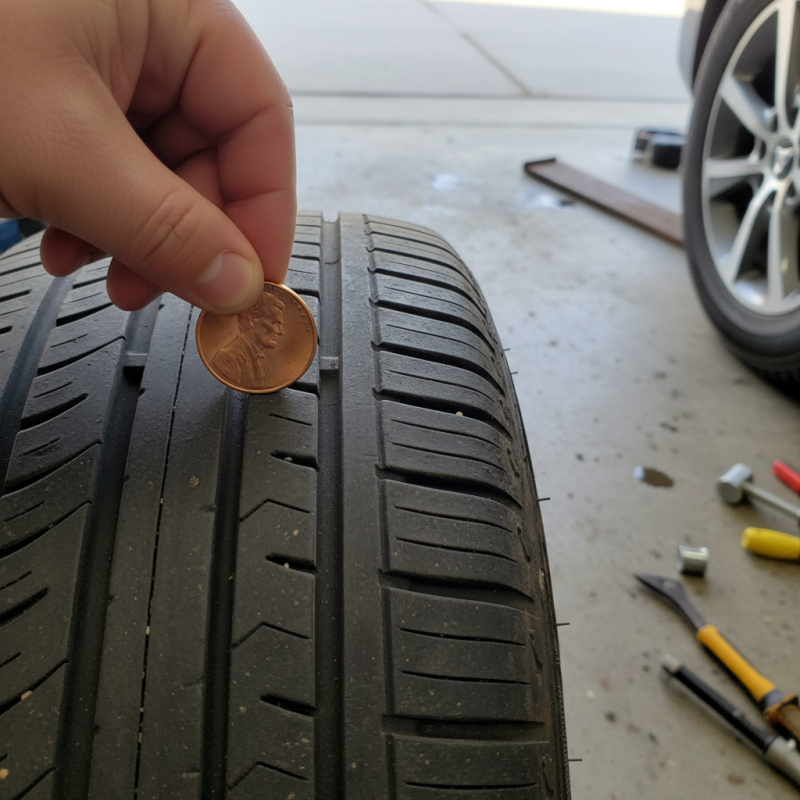
Begin by inserting a penny into the tread grooves. If you see Lincoln's entire head, it’s time for a replacement. This method is both effective and easy for car owners. It highlights an important aspect of regular vehicle maintenance. Many people overlook tire health, leading to hazardous driving conditions.

Regularly checking your tread depth can prevent accidents. However, some might neglect this simple step. Awareness of tire condition is vital. Drawing attention to small yet significant practices helps enhance road safety. After all, a penny can make a difference in your driving experience. Remember, safety starts with informed decisions about your tires.
Top 10 Tips to Check Tire Tread Depth with a Penny?

Understanding Tire Tread and Its Importance for Safety

Understanding tire tread depth is crucial for road safety. Tread depth affects a tire’s ability to grip the road, especially in wet or slippery conditions. When the tread wears down, your vehicle can lose traction. This can lead to longer stopping distances and a higher risk of skidding.

Using a penny to check tread depth is a simple method. Insert the penny into the tread grooves with Lincoln's head facing down. If you can see all of Lincoln’s head, your tread is too worn. This quick check can save your life. However, this method is not foolproof. Different tires may have varying tread requirements based on design and usage.

Regular inspections help ensure safety. Be aware that even newer tires may wear unevenly. Factors like alignment, inflation, and driving habits affect tread wear. A flat or bald tire can be a ticking time bomb on the road. Always stay informed and proactive about your tire health for a safer driving experience.

Understanding Tire Tread Depth with a Penny

The following chart illustrates the relationship between tire tread depth (in 32nds of an inch) and recommended safety levels. By using a penny to check your tire tread, you can ensure safe driving conditions.

Materials Needed for Measuring Tire Tread Depth with a Penny

To measure tire tread depth accurately, you'll need just a few simple materials. First, choose a penny. This coin is a common household item and serves as an effective tool. Make sure the penny is clean and easily accessible. You don’t need fancy equipment or gadgets for this task, which can be reassuring for many car owners.

Next, gather a clean cloth or tissue. This will help you wipe off any dirt or debris from the tire tread. Ensuring a clear view makes your measurement more reliable. If you'd like, a ruler could also be handy for double-checking if needed. While the penny method is straightforward, having a backup tool can sometimes help avoid mistakes or second-guessing.

However, measuring tire tread depth with a penny isn't without its pitfalls. Remember, some people can misinterpret the results. If you don’t place the penny correctly, you can get inaccurate readings. This could lead to misunderstanding your tire condition. Always check multiple areas of the tire to gain a comprehensive view. Consistency matters when determining whether a tire needs replacement or is still safe for the road.

Step-by-Step Guide: How to Use a Penny to Check Tread Depth

Checking your tire tread depth is essential for safe driving. One of the easiest methods involves using a penny. This guide will walk you through the process step by step.

To begin, take a penny and locate the Lincoln's head. Insert the penny into the tire tread with the head pointing downward. If you can see the top of Lincoln's head, your tread is too worn. This indicates that your tires may need replacement. A safe tread depth should cover part of Lincoln's head.

Repeat this process on multiple areas of the tire. Tread wear can be uneven. Make sure to check both the outer and inner edges. If you spot differences, it could signal alignment issues. Regularly examining your tread depth can prevent costly repairs and improve traction on wet roads. Always remain vigilant; a simple penny can save your life.

Interpreting the Results: What Your Penny Reading Means

When checking your tire tread depth with a penny, understanding the results is crucial. Insert the penny into the tread with Lincoln’s head down. If you can see the top of Lincoln’s head, your tires are worn. This means it's time for a replacement. Adequate tread depth ensures better traction and safety on the road; observing it can save you from potential accidents.

Interpreting your penny reading can yield insightful results. A deeper tread means a safer grip, especially on wet roads. Shallow tread depths may lead to hydroplaning, affecting control. Drivers should consider factors like road conditions and tire age. Maintaining optical depth can minimize patchy performance over time. If you are unsure about your tires, seeking professional assessment can provide peace of mind.

When to Replace Tires Based on Tread Depth Measurements

When your tires start to lose their tread, safety becomes a concern. Tread depth is crucial for traction, especially in wet conditions. Use a simple penny test to gauge your tire's health. Insert a penny into the tread with Lincoln’s head down. If you see all of Lincoln’s head, it’s time for new tires.

Generally, tires should be replaced when the tread depth reaches 2/32 of an inch. This minimal depth leads to decreased grip. In rainy conditions, even more tread is needed to avoid hydroplaning. Regular inspections can help catch issues early. Potholes and sharp turns can exacerbate tread wear.

Driving on worn tires can lead to accidents. Ignoring low tread depth may result in higher repair costs. A proactive approach could save you from future problems. Check your tires regularly and replace them before safety is compromised. It's about being smart and cautious on the road.

Top 10 Tips to Check Tire Tread Depth with a Penny

Tip Number Tip Description When to Replace Tires
1 Use a penny with Lincoln's head down Replace if you can see all of Lincoln's head
2 Check across the tire tread Replace if tread is uneven or below 2/32"
3 Look for wear bars Replace if wear bars are flush with the tread
4 Perform the “quarter test” Replace if the quarter is fully visible
5 Inspect sidewall for damage Replace if there are cracks or bulges
6 Check for vibrations while driving Replace if vibration persists
7 Audit tires yearly Replace if tread depth is less than 3/32"
8 Check tire pressure regularly Replace if it causes uneven wear
9 Consider the age of tires Replace if older than 6 years
10 Observe tread pattern Replace if tread is worn or has bald spots

FAQS

: Why is tire tread depth important for safety?

: Tread depth affects grip on the road. Less tread means less traction, especially in wet conditions.

How can I check tire tread depth using a penny?

Insert a penny with Lincoln's head down. If Lincoln's head is visible, your tread is too worn.

Are there any limitations to the penny test?

Yes, results can vary based on tire design and placement. Misinterpretation can lead to inaccurate readings.

What materials do I need to measure tire tread depth?

You need a penny and a clean cloth. A ruler can help double-check if needed.

How often should I inspect my tires' tread depth?

Regular inspections are advised. Even new tires can wear unevenly due to alignment and driving habits.

When should I replace my tires based on tread depth?

Replace tires when tread depth reaches 2/32 of an inch. This ensures better grip and safety.

What risks come with driving on worn tires?

Worn tires increase the chances of accidents. Ignoring tread wear can lead to serious repair costs.

Can driving habits affect tire tread wear?

Yes, aggressive driving and poor alignment can lead to uneven tread wear.

Is it sufficient to check just one part of the tire?

No, always check multiple areas. This gives a comprehensive view of your tire's condition.

Why should I be proactive about tire health?

Proactive checks can prevent accidents and save money on repairs. Safety should always come first.

Conclusion

Tire tread depth is crucial for vehicle safety, as it affects traction, handling, and stopping distance. Understanding how to check tire tread depth with a penny can help drivers assess their tire's condition effectively. To begin, gather simple materials like a penny. The process involves inserting the penny into the tread grooves, allowing you to see how much of Lincoln's head is visible. Depending on the visibility, you can determine whether your tires are still safe for use.

Interpreting the results is straightforward: if you can see all of Lincoln's head, it's time to replace your tires. Regularly checking tire tread depth using this method ensures that you maintain optimal traction on the road, thus enhancing your safety while driving. Knowing when to replace your tires based on tread depth measurements can significantly reduce the risks associated with worn-out tires.

Mason

Mason

Mason is a seasoned marketing professional with a deep expertise in the company's offerings and a passion for driving brand awareness. With a strong background in digital marketing strategies, he has an innate ability to connect with diverse audiences and effectively communicate product benefits.......