When to Replace Tires Based on Age for Optimal Safety?

Time:2026-07-21 Author:Isabella
0%

When it comes to vehicle safety, understanding "When to replace tires based on age" is critical. Industry expert Dr. Alice Thompson, a recognized tire safety specialist, emphasizes, “A tire’s age can be just as important as its tread wear.” Many drivers overlook tire age, focusing solely on tread depth. However, rubber degrades over time, even if the tread looks acceptable.

The general consensus is to consider replacing tires every six years, regardless of mileage. Yet, some may still use tires that are much older. These older tires can be hazardous, as they may lose grip in wet conditions. Furthermore, the impacts of temperature fluctuations can accelerate wear.

Drivers often feel reluctant to replace seemingly functional tires, leaving room for dangerous outcomes. The challenge lies in balancing cost and safety. Proper education on aging tires may help. Remember, prioritizing your safety is crucial. Assess your tires regularly and be mindful of their age.
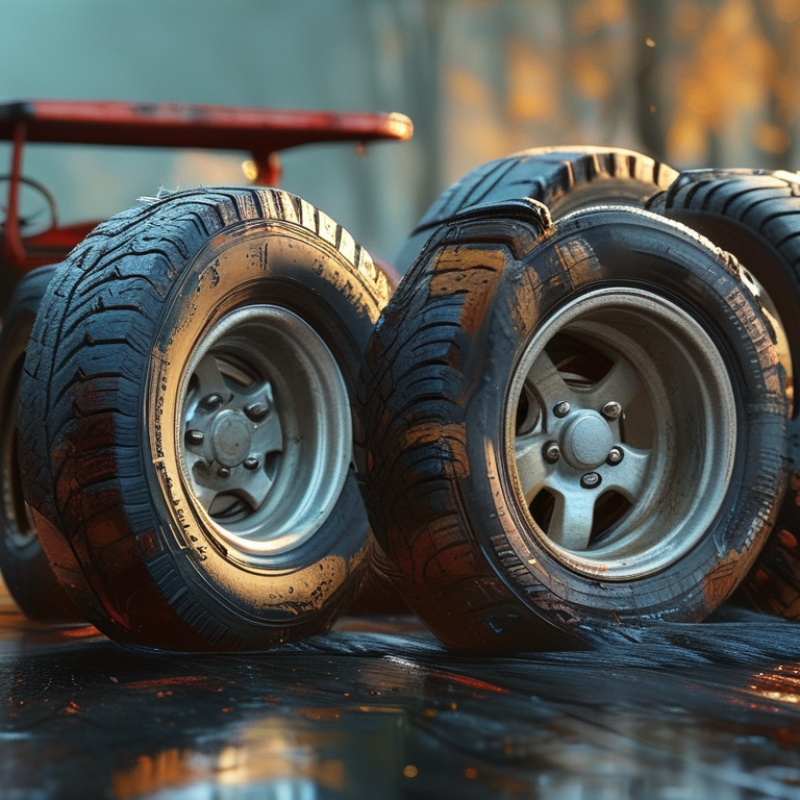
When to Replace Tires Based on Age for Optimal Safety?

Understanding Tire Aging: Key Factors Affecting Performance and Safety

Tire aging is a critical aspect of vehicle safety. Over time, tires degrade due to exposure to sunlight, heat, and road conditions. The rubber may harden and crack, impairing traction. These changes can significantly reduce performance, especially in wet conditions. Regularly inspecting your tires for visible signs of wear is essential. However, some deteriorations aren’t visible, which poses a risk.

Environmental factors play a major role in tire aging. For example, high temperatures can accelerate the degradation process. Conversely, colder climates may cause tires to become brittle. It’s crucial to consider your region's climate when assessing tire safety. Additionally, tires that have been stored improperly can age faster. Tire storage should avoid dampness and direct sunlight. Understanding these factors helps prevent unfortunate incidents on the road.

Drivers often overlook tire age, focusing instead on tread depth. Yet, tires should be replaced after six years, regardless of tread condition. This overlooked detail can lead to dangerous situations. Revisiting your tire maintenance schedule could save lives. Balancing performance with safety is not just smart; it’s necessary.

When to Replace Tires Based on Age for Optimal Safety

This chart illustrates the performance and safety rating of tires based on their age. As tire age increases, the performance and safety ratings decrease, emphasizing the importance of regular tire inspections and timely replacements for optimal safety.

Tire Lifespan: Industry Standards and Manufacturer Recommendations

Tires are a critical component of vehicle safety. The industry generally agrees that tires should be replaced every six years, regardless of tread wear. This guideline is supported by experts and safety organizations, emphasizing the importance of tire age. Many manufacturers also recommend a maximum lifespan of ten years for tires.

Research by the Rubber Manufacturers Association reveals that aging can compromise tire integrity. Factors such as exposure to sunlight, temperature variations, and road conditions contribute to the deterioration of tire materials. Cracks, bulges, and decreased traction are signs of aging. Regular inspections are crucial, yet many drivers overlook this aspect of vehicle maintenance.

In some cases, tires may need replacement sooner than ten years. For example, if a tire shows visible wear or damage, it should be assessed immediately. A professional evaluation ensures that safety is not compromised. Being proactive about tire age can prevent accidents and maintain vehicle performance. Maintaining awareness of tire lifespan is essential for all drivers.

Signs of Tire Deterioration: When to Consider Replacement

Tires are crucial for vehicle safety. Over time, they will naturally deteriorate. Knowing when to replace them is key. Look for visible signs like cracks or bulges. These can affect traction and increase the risk of blowouts. A simple visual inspection is easy and takes just moments.

Another sign of tire wear is tread depth. Use a penny to check it. Place Lincoln's head upside down in the tread. If you can see his entire head, your tires may be too worn. Uneven wear patterns can also suggest alignment problems. This aspect is often overlooked, but it is important for longevity.

Keep an eye on the age of your tires too. Even if they look fine, older tires can become less reliable. Rubber compounds degrade over time. Many experts suggest replacing tires every six years, regardless of tread wear. Reflect on your tire’s age, inspect them regularly, and ensure your safety on the road.

The Role ofClimate and Driving Conditions in Tire Aging

Tire aging is influenced significantly by climate and driving conditions. In hot environments, tires can wear out faster. High temperatures increase the rate of rubber degradation. This can lead to cracks and reduced traction. Cold climates present their own challenges. They can cause tires to become brittle and lose flexibility. Adverse weather conditions can accelerate tire aging.

Moreover, driving habits play a crucial role in how tires age. Frequent hard braking and sharp turns put extra stress on tires. This can lead to uneven wear and tear. Off-road driving also leads to increased damage. When tires are exposed to rough surfaces, the risk of punctures rises. Simple activities like maintaining proper inflation can help. However, many drivers overlook this essential maintenance.

It’s also critical to consider the age of tires, even if they appear fine. Many tire manufacturers recommend replacing tires every six years. Yet, some tires may need replacement sooner due to harsh conditions. Regular inspections can help identify troubling signs like bulges or uneven wear. Keeping track of tire health is vital for safety.

The Impact of Tire Age on Vehicle Safety and Handling Performance

Tire age significantly influences vehicle safety and handling. As tires age, their materials degrade, leading to compromised performance. Even with adequate tread, older tires can fail unexpectedly. Experts recommend checking tires regularly, regardless of their tread depth. Manufacturing dates on the sidewall indicate the week and year of production. Typically, tires older than six years should be examined closely, even if they look good.


Tips: Regular inspections can prevent dangerous surprises. Look for visible cracks or bubbles on your tires. These signs can indicate that your tires are losing their integrity.


Handling also suffers as tires age. Older tires may not grip the road effectively, especially in wet conditions. This can lead to longer stopping distances and potential accidents. Rotating tires regularly helps ensure even wear. However, age alone should prompt reconsideration of tire health.


Tips: Keep track of your tire's age. Make a note of when they were installed. This can help you stay proactive. Consider replacing tires every six to ten years, regardless of tread wear.

FAQS

: What causes tire aging?

: Tire aging occurs due to sunlight, heat, and road conditions. These factors degrade rubber, causing cracks and hardening.

How can I spot tire deterioration?

Look for visible signs like cracks, bulges, or uneven wear. A quick visual check takes just a few moments.

How often should I replace my tires?

Tires should be replaced every six years, regardless of tread depth. This practice enhances safety on the road.

Does climate affect tire aging?

Yes, high temperatures speed up degradation. Cold climates can make tires brittle. Storage conditions also matter a lot.

What are the signs of worn tires?

Use a penny to check tread depth. If you see Lincoln's entire head, consider replacing your tires soon.

Why should I monitor my tire's age?

Older tires can fail unexpectedly, even with good tread. Rubber deteriorates over time, impacting safety and performance.

How does tire age affect handling?

As tires age, they lose grip, especially in wet conditions. This increases stopping distances and the risk of accidents.

What maintenance can help with tire longevity?

Regularly inspect your tires for cracks. Rotating them can ensure even wear, but age should also prompt replacement.

Is tire alignment important for wear?

Yes, uneven wear might indicate alignment issues. Proper alignment can prolong tire life and improve safety.

How can I track my tire's age?

Check the manufacturing date on the sidewall. Keeping a note of installation dates helps with proactive replacements.

Conclusion

When to replace tires based on age is a critical consideration for vehicle safety and performance. Tire aging is influenced by various factors, including environmental conditions, driving habits, and the materials used in tire construction. Understanding the industry standards and manufacturer recommendations can help drivers gauge the appropriate lifespan of their tires, typically ranging from six to ten years.

Signs of tire deterioration, such as cracks, bulges, or tread wear, should prompt immediate inspection and potential replacement. Additionally, adverse climate and driving conditions can accelerate tire aging, making it essential to regularly assess tire health. Ultimately, recognizing the impact of tire age on vehicle safety and handling performance is vital for maintaining optimal driving conditions and ensuring safety on the road.

Isabella

Isabella

Isabella is a dedicated marketing professional with a sharp focus on driving brand growth and engagement through strategic content creation. With an extensive background in digital marketing, she combines her passion for storytelling with her keen understanding of industry trends to deliver......