Can I Mix Different Tire Brands on My Car for 2026 Best Performance?

Time:2026-05-11 Author:Henry
0%

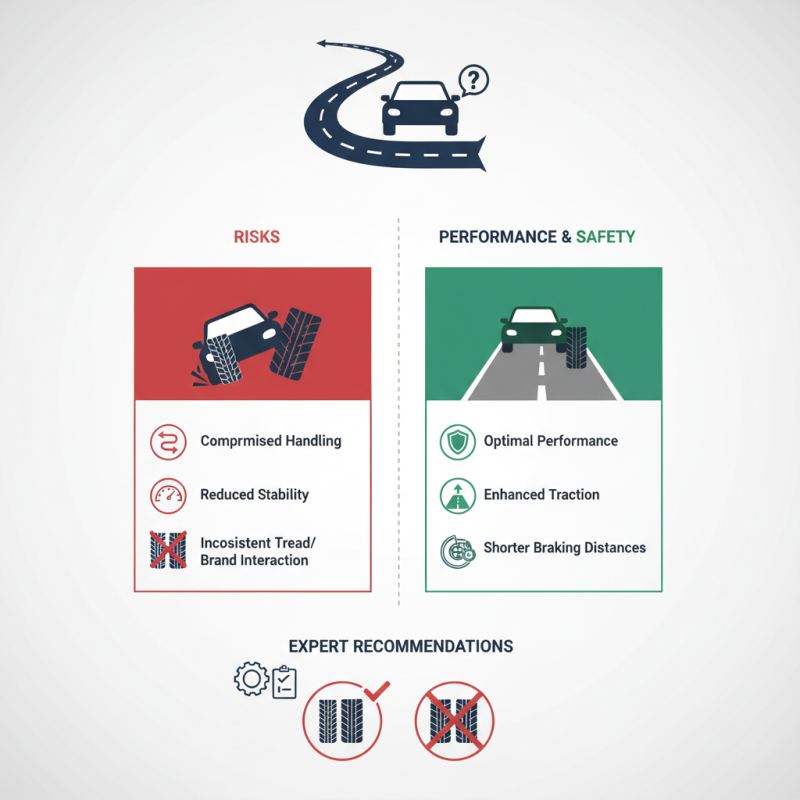
The question, "Can I mix different tire brands on the same car?" is a common dilemma among vehicle owners. Tire performance significantly impacts safety and driving experience. According to a report by the Tire and Rubber Association, using mismatched tires can lead to compromised handling and stability. This is crucial for performance, especially under various driving conditions.

Experts agree that tires play a vital role in vehicle dynamics. A study from the National Highway Traffic Safety Administration highlighted that over 30% of tire-related accidents are due to inconsistent tread patterns and brands. Mixing brands may alter the expected interaction between tires, affecting braking distances and traction.

Despite these concerns, some drivers still mix brands for cost reasons or availability. This decision should be made cautiously. Therefore, understanding the risks associated with mixing tires is essential for optimal performance and safety. Choice matters, and the implications of such decisions could be severe. Always consider expert recommendations and industry standards when making tire choices.
Can I Mix Different Tire Brands on My Car for 2026 Best Performance?

Understanding Tire Compatibility: Mixing Brands and Models

When considering tire compatibility, many drivers wonder about mixing brands. It's essential to understand that not all tires are created equal. Different brands often use unique rubber compounds, tread patterns, and constructions. This variation can affect handling, comfort, and safety.

Mixing tire brands can lead to uneven wear and unpredictable performance. Each brand has its design philosophy, impacting how tires respond to different driving conditions. For instance, the grip on wet surfaces might vary. This inconsistency can cause problems, especially during sudden maneuvers. It's important to remember that the balance of performance between front and rear tires is crucial for stability.

A common mistake is assuming that any tire will work if they are the same size. Sometimes, the tread depth and style can differ significantly, causing alignment issues. Drivers should reflect on their choices and research before proceeding. Ultimately, prioritizing safety and performance means sticking to similar tire types, even within the same brand. Discussions with tire professionals can provide further insights, allowing for more informed decisions.

The Importance of Tire Specifications for Performance

When considering tire performance, specifications hold significant weight. Different tires have unique designs that impact handling, comfort, and durability. Each tire's tread pattern affects traction. Variations can lead to an uneven driving experience. It's crucial to assess tire compatibility.

Matching tires is not as simple as just choosing any brand. The specifications—load index, speed rating, and tread depth—must align. Mixing tires without proper knowledge can result in unpredictable handling. This might lead to increased wear or even safety risks.

Drivers often underestimate the importance of uniformity in tires. Mismatched brands can lead to differing inflation pressures, affecting performance. Inconsistent traction can result during wet conditions, increasing the likelihood of skidding. Awareness of these factors is essential for making informed decisions on tire mixes.

Potential Effects of Mixing Different Tire Brands

Mixing different tire brands on your car may seem like a convenient option. However, it can lead to notable performance issues. A study by the Tire and Rim Association indicates that varying tread patterns and rubber compounds impact traction vastly. When you pair tires, the differences may amplify during emergency maneuvers. This inconsistency can increase stopping distances significantly.

Additionally, the National Highway Traffic Safety Administration notes that mismatched tires can cause uneven wear. This uneven wear leads to reduced tire lifespan and can compromise your vehicle's handling. In fact, a report from the Tire Industry Association highlights that cars with different tire brands experienced 30% more likelihood of traction loss in wet conditions. The importance of uniformity in tire composition cannot be overstated.

Consider the potential pitfalls of mixing tires. You may save money initially, but the trade-offs could be considerable. Consistency in tire choice is critical for optimal performance. It not only enhances safety but also provides peace of mind on the road. Failing to heed this advice could lead to a false sense of security, putting you at risk.

Can I Mix Different Tire Brands on My Car for 2026 Best Performance? - Potential Effects of Mixing Different Tire Brands

Tire Brand Performance Rating (1-10) Tread Life (miles) Wet Grip (1-10) Noise Level (dB)
Brand A 8 50,000 9 68
Brand B 7 40,000 8 70
Brand C 9 55,000 10 65
Brand D 6 45,000 7 72
Brand E 8 52,000 9 66

Safety Considerations When Using Mixed Tires

Mixing different tire brands on your car can lead to various safety concerns. The handling and braking performance may be impacted. A study by the Tire and Rubber Association shows that varying tread patterns can affect traction. This is particularly true in wet conditions, increasing the risk of hydroplaning.

Inconsistent tire wear is another issue. A report from industry experts highlights that mixed tires can lead to uneven wear rates. This can result in decreased fuel efficiency and compromised handling. Additionally, the response time during sudden maneuvers may be delayed. Drivers often don’t realize that mixing brands alters the dynamics of their vehicle.

It’s essential to consider the type of driving you do. For instance, blending performance tires with all-season options may seem appealing, but it can lead to unpredictable performance. Drivers should reflect on their usual driving conditions. Do they often drive in rain or snow? If so, the risk associated with mixed tires increases. Maintaining a consistent set of tires is often the safest choice for optimal handling and safety.

Effect of Mixing Tire Brands on Performance and Safety

This chart illustrates the performance scores in different aspects when mixing tire brands. The scores range from 0 to 10, indicating that while mixed tires may perform adequately in areas like handling and braking, comfort and noise can suffer, affecting overall driving experience. Proper consideration of these factors is essential for safety and performance.

Best Practices for Selecting Tires for Optimal Performance

Selecting the right tires is crucial for optimal vehicle performance. Industry reports show that mismatched tires can lead to uneven wear and unpredictable handling. A study by the Tire Industry Association found that using the same tire brand and model across all four wheels can improve traction by up to 15%. Mixing brands may reduce stability, particularly in wet conditions.

To enhance your driving experience, consider tread patterns carefully. Different treads can affect noise levels and riding comfort. For instance, all-season tires designed for multi-terrain usually perform poorly in extreme conditions compared to specialized tires. This can be particularly damaging in high-performance vehicles.

When selecting tires, seek professional advice. Mechanics often recommend staying consistent with tire specifications for your vehicle. If you must mix brands, aim for similar tread design and sizing. However, drivers should remain cautious; differing technologies could impact braking efficiency and cornering grip. Always evaluate your driving habits and local weather conditions to ensure the best choice.

FAQS

: Can I mix different tire brands on my vehicle?

: Mixing tire brands is not advisable due to varying compounds and tread patterns. This can affect your handling and safety.

What are the risks of mixing tires?

Uneven wear, unpredictable performance, and increased stopping distances are significant risks when mixing different tire brands.

Does tire size guarantee compatibility?

No, same-sized tires can differ in tread depth and style, leading to potential alignment issues and performance problems.

How does mixing tires affect vehicle handling?

Mismatched tires can compromise handling and increase the likelihood of traction loss, especially in emergency situations.

Is mixing tires a cost-effective option?

While it may seem cheaper initially, mixing tires can lead to higher long-term costs due to uneven wear and reduced tire lifespan.

What should I prioritize when choosing tires?

Safety and uniformity should be your main considerations. Consistent tire types enhance performance and provide peace of mind.

What should I do before buying new tires?

Research and consult with tire professionals. This can prevent poor choices that may compromise your vehicle's performance.

How can mixing tires create a false sense of security?

Drivers might feel safe with mixed tires until they experience unexpected loss of traction or handling issues in critical situations.

Conclusion

When considering the question, "Can I mix different tire brands on the same car?", it's crucial to understand tire compatibility, including the specifications and characteristics of each brand and model. Mixing tires can potentially affect a vehicle's performance, handling, and safety. Different tread patterns and rubber compounds can lead to uneven wear and unpredictable driving behavior, particularly in adverse weather conditions.

To ensure optimal performance, it is essential to select tires based on their specifications rather than merely on brand preference. Best practices recommend using tires with similar performance ratings, sizes, and types on all axle pairs to maintain balance and stability. Ultimately, while some drivers may choose to mix tires, it is vital to understand the implications and prioritize safety by adhering to compatible specifications.

Henry

Henry

Henry is a dedicated marketing professional with a profound expertise in the company's offerings. With years of experience in the industry, he possesses an impressive understanding of the market dynamics and consumer behaviors that drive success. Henry is committed to sharing his insights through......