How to Identify Dry Rotted Tires Effectively?

Time:2026-06-01 Author:Liam
0%

Identifying dry rotted tires is crucial for vehicle safety. Knowing how to tell if tires are dry rotted can prevent accidents and costly repairs. Dry rot occurs when tires are exposed to heat, sunlight, and age. These factors cause the rubber to dry out and crack.

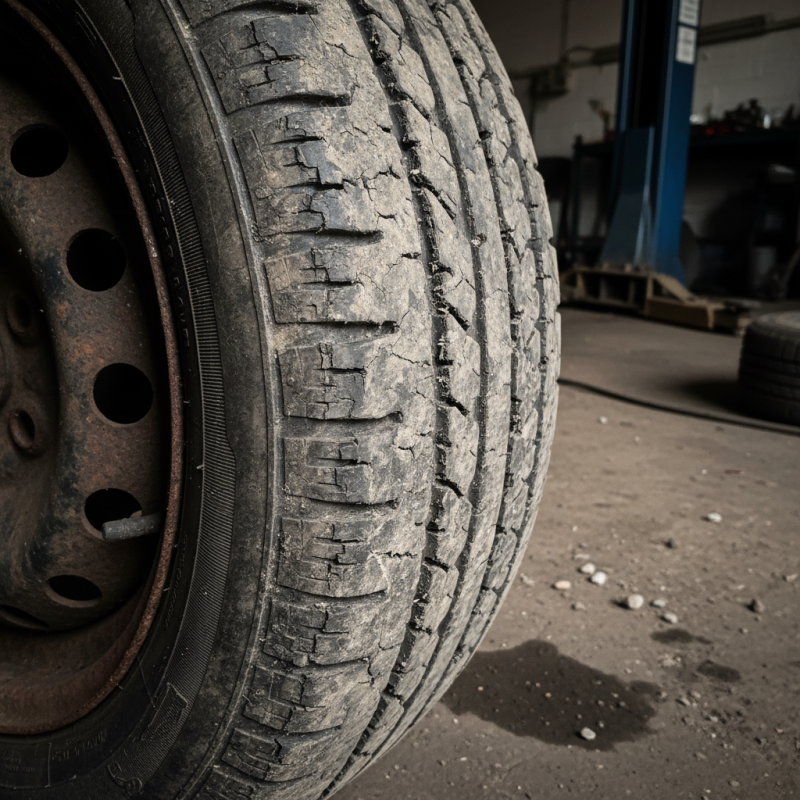
Inspecting tires regularly helps ensure optimal performance. Look for visible signs like cracks and discoloration. A tire with significant dry rot can appear dry and brittle. Sometimes, the damage may not be visible until you touch the surface. Focusing on tire maintenance is essential. Ignoring minor issues can lead to bigger problems down the road.

Being proactive in checking your tires can save you money. Many drivers overlook this task, assuming their tires are fine. Don't wait until it's too late; understanding how to tell if tires are dry rotted can save lives and keep your vehicle running smoothly. Remember, safety always comes first. Regular inspections and knowledge will empower you as a driver.
How to Identify Dry Rotted Tires Effectively?

Understanding Dry Rotted Tires: Definition and Causes

Dry rotting in tires is a significant issue for vehicle safety. It occurs when tires age and lose moisture. The process leads to cracking and instability. Studies show that UV exposure and ozone are major contributors. According to the Tire Industry Association, over 30% of tire failures result from dry rot. This indicates a serious risk for many drivers.

Dry rot develops over time. The rubber compounds in the tire degrade due to environmental factors. High temperatures and lack of use can accelerate the process. Experts recommend inspecting tires regularly for signs of wear. Look for small cracks, discoloration, or brittleness. A visible dry rot problem indicates that tires are no longer safe.

Reliable data reveals that tires more than six years old should be closely monitored. A survey by Consumer Reports found that 12% of drivers do not check their tires regularly. This can lead to serious consequences. Choosing to ignore dry rot can result in blowouts or accidents. Awareness and action are vital for maintaining tire safety.

Key Signs of Dry Rot in Tires to Look For

Dry rot in tires is a common issue that can lead to serious safety risks. When inspecting your tires, look for specific signs that indicate dry rot. Cracks on the sidewalls are one of the most noticeable signs. These cracks can be small and barely visible or large and deep. If left unchecked, they can compromise the integrity of the tire.

Another common indicator is a hardened, brittle texture. Gently press the tire surface; if it feels stiff or has a chalky appearance, it may be dry rotted. Additionally, you might notice uneven wear or a strange pattern on the tread. This irregularity can be a sign of underlying tire problems, including dry rot.

Tips for effective tire inspection:
Regularly check your tires for any signs of wear. Take the time to inspect them after long trips or seasonal changes. Consider using a magnifying glass to spot small cracks. Always replace tires that show significant dry rot to ensure your safety on the road. Remember, maintaining proper tire pressure can also prevent stress that leads to dry rot.

Step-by-Step Guide to Inspecting Tires for Dry Rot

Dry rot in tires is a common issue that many vehicle owners overlook. To effectively identify this problem, a step-by-step inspection process is crucial. Begin by examining the tire sidewalls. Look for cracks or splits that resemble spider webs. Studies show that about 20% of tires experience dry rot due to prolonged exposure to heat and UV light. These conditions lead to rubber deterioration over time.

Next, assess the tread. Worn or uneven tread might indicate more than standard wear. It can also be a sign of dry rot. A report from the Tire Industry Association highlights that tires older than six years have a higher chance of developing dry rot. Check for any discoloration or chalky surfaces, which are red flags.

Finally, don't forget to consider the age of your tires. Even with adequate tread depth, an expired tire can pose serious risks. Having routine inspections by professionals can aid in early identification. Remember, tire safety is essential for your overall driving experience. Regular maintenance contributes significantly to the life of your tires.

How to Identify Dry Rotted Tires Effectively?

Inspection Method Description Signs of Dry Rot Recommended Action
Visual Inspection Check for cracks and discoloration on the tire surface. Visible cracks, fading colors, and dryness. Replace the tires if significant dry rot is detected.
Flex Test Gently flex the sidewalls to check for brittleness. Brittle feeling when pressed, cracking sound. Consider replacement if tires feel overly stiff.
Tread Depth Check Measure tread depth using a gauge or penny test. Tread depth below 2/32 inches; uneven wear. Replace the tires if tread is too worn.
Age Check Check the manufacturing date on the tire sidewall. Tires older than 6 years may dry rot. Replace tires older than 6 years regardless of appearance.

Effective Prevention Strategies for Dry Rot in Tires

Dry rot in tires can significantly compromise vehicle safety. Identifying this issue early is crucial. To prevent dry rot, consider keeping tires properly inflated. Under-inflated tires are prone to cracking and drying out. Regularly check the tire pressure and adjust as necessary.

Proper storage can also help prevent dry rot. If tires are not in use, store them indoors in a cool, dry location. Exposure to sunlight and extreme temperatures accelerates tire deterioration. Use tire covers or bags if outdoor storage is unavoidable.

Tips: Inspect tires regularly for cracks or physical damage. Look for changes in texture or color. Even subtle signs can indicate developing issues. Keep tires clean by washing away dirt and debris, which can harbor moisture and promote rot. Consider rotating tires every 5,000 to 7,500 miles. This promotes even wear and prolongs overall tire life. Regular vigilance can save you from costly replacements.

When to Replace Tires Affected by Dry Rot

Dry rot in tires can lead to serious safety concerns. Recognizing when to replace tires affected by dry rot is crucial. Look for visible cracks on the sidewall or tread. If you notice these signs, it’s essential to assess your tire’s condition. Check the age of your tires. Tires over six years old are more prone to dry rot. Even if they appear fine, internal damage can occur.

If your tires have deep cracks or chunks missing, don't risk driving on them. The breakdown of rubber means decreased traction and potential blowouts. A visual inspection isn’t enough; more profound issues might lurk beneath the surface. Regularly monitor the flexibility of your tire's rubber. If it feels hard and doesn’t flex, that’s a red flag.

Consider your driving habits, too. If you leave your vehicle parked for long periods, dry rot can develop faster. Store your vehicle in a cool, dry place, avoiding direct sunlight. Routine tire checks can prevent forgotten issues. Ignoring dry rot can lead to severe accidents. Make careful decisions and don't hesitate to consult a professional.

FAQS

: What is dry rot in tires?

: Dry rot refers to deterioration that causes cracking and drying out of tires, compromising safety.

How can I prevent dry rot?

Keep tires properly inflated and check pressure regularly to avoid drying out.

Where should I store tires not in use?

Store tires indoors in a cool, dry place. Avoid sunlight and extreme temperatures.

What should I look for during tire inspections?

Inspect for visible cracks, changes in texture or color, and ensure they are clean.

When should I replace tires affected by dry rot?

Replace tires showing deep cracks, chunks missing, or those over six years old.

How does the age of tires affect dry rot?

Tires older than six years are more vulnerable to dry rot, even if they look fine.

Can driving habits impact tire condition?

Yes, parking your vehicle for long periods can accelerate the development of dry rot.

What are the signs that tires may need immediate attention?

Hardness of rubber and lack of flexibility are serious red flags for potential failure.

Is a visual inspection enough for tires?

No, internal damage can occur that isn’t visible. Regular, deeper assessments are necessary.

What risks come from ignoring dry rot?

Ignoring dry rot can lead to severe accidents due to decreased traction and possible blowouts.

Conclusion

Dry rotted tires, a common issue caused by factors such as aging, exposure to sunlight, and environmental conditions, pose significant safety risks. Knowing how to tell if tires are dry rotted involves understanding key signs such as cracks in the sidewalls, a hardened appearance, and a loss of flexibility. To effectively inspect your tires, follow a step-by-step guide that includes checking for visible damage and conducting a thorough feel test.

Preventing dry rot entails parking in shaded areas, maintaining proper tire pressure, and rotating tires regularly. If you discover severe signs of dry rot during your inspection, it’s crucial to replace the tires promptly for your safety. In summary, being proactive in tire maintenance and knowing how to identify dry rot can help ensure safer driving experiences.

Liam

Liam

Liam is a dedicated marketing professional with a profound expertise in the industry, where he excels at highlighting the unique advantages of our core products. With a keen understanding of market trends and consumer needs, Liam frequently updates our company’s professional blog, providing......