C-Max Tire
How often should I rotate my car tires? This question is crucial for every car owner. Proper tire rotation ensures even wear and extends the life of your tires. It also enhances vehicle performance and safety. Ignoring this maintenance can lead to premature tire failure.
Most experts recommend rotating tires every 5,000 to 7,500 miles. However, some vehicles may benefit from more frequent rotations. Checking your owner's manual can provide specific guidelines. Uneven tire wear can alert you to checks on alignment or suspension. These issues may require professional attention.
If you’ve never rotated your tires, start now. Keep track of your mileage or set reminders. Most people overlook this task, but it is vital. Neglecting to rotate tires can lead to a bumpy ride and decrease fuel efficiency. Making tire rotation a routine part of your car maintenance can save you money and improve safety on the road.
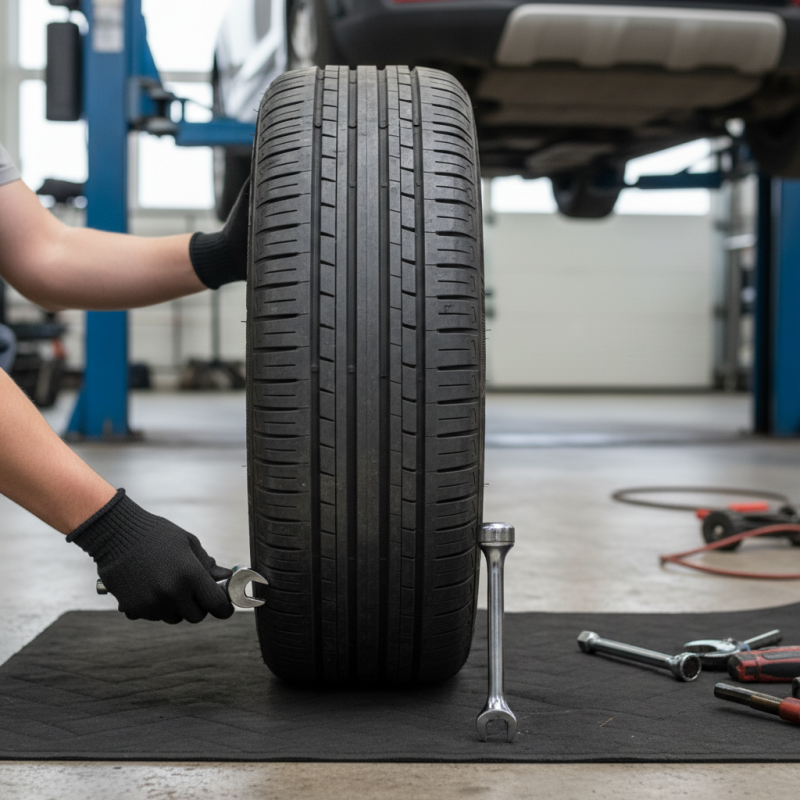
Tire rotation is essential for maintaining optimal vehicle performance. It helps ensure even tire wear, which extends the lifespan of your tires. Frequent tire rotations can lead to better traction, handling, and fuel efficiency.
Generally, it is recommended to rotate your tires every 6,000 to 8,000 miles. However, this can vary based on your driving habits and vehicle type. Ignoring tire rotation can result in uneven wear patterns, compromising safety. Some drivers may forget to rotate their tires on schedule. This oversight can lead to costly replacements earlier than necessary.
It's vital to understand the differences in tire wear. Front tires wear differently than rear ones, especially in front-wheel-drive vehicles. This imbalance can affect steering and braking performance. Take time to check your tires regularly. Look for signs of uneven wear or damage. A proactive approach can save you from emergencies on the road. Reflecting on your tire care habits can lead to a safer driving experience.
This chart illustrates the recommended tire rotation frequency to maintain optimal performance. New tires should have a high percentage of their lifespan utilized effectively, while the percentage decreases at longer intervals between rotations.
Tire rotation is a crucial aspect of vehicle maintenance. Many drivers overlook this essential step. Regularly rotating tires can enhance performance and extend their lifespan. Different vehicles have unique requirements for tire rotation intervals. Factors include the type of drive system and tire wear patterns.
For most passenger cars, it is advised to rotate tires every 5,000 to 7,500 miles. This helps ensure even wear across all four tires. In contrast, SUVs and trucks with heavier loads may need rotating more frequently, perhaps every 3,000 to 5,000 miles. All-wheel-drive vehicles often require special attention, adjusting the intervals according to the manufacturer’s recommendations.
Maintaining awareness of tire condition is essential. Inspect your tires for uneven wear and check pressure regularly. It’s easy to forget, but diligence pays off. Ultimately, the key is to stay proactive about tire health. Ignoring these intervals could lead to unsafe driving conditions and costly replacements. Always consult your vehicle's manual for the best schedule based on its specific needs.
| Vehicle Type | Recommended Rotation Interval | Notes |
|---|---|---|
| Sedans | Every 5,000 to 7,500 miles | Check tire wear frequently. |
| SUVs | Every 5,000 to 7,500 miles | More frequent rotation may be needed off-road. |
| Trucks | Every 6,000 to 8,000 miles | Heavy loads can affect tire wear. |
| Sports Cars | Every 3,000 to 5,000 miles | Higher performance tires may wear faster. |
| Electric Vehicles | Every 6,000 to 8,000 miles | Monitor tire pressure regularly. |
When it comes to tire maintenance, recognizing the signs for rotation is crucial. One clear indication that your tires need a rotation is uneven tread wear. Check the patterns on your tires regularly. If you notice one side has worn down more than the other, it’s time for a rotation. Also, if your car feels like it's pulling to one side, that might signal misalignment or uneven tire wear.
Another signal is a vibration you feel while driving. This could indicate that your tires are out of balance due to uneven wear. Pay attention to how your vehicle responds on the road. A rough ride or excessive noise can indicate an issue. Additionally, if you've recently driven a long distance or over rough terrain, a rotation may be necessary. Don't ignore these signs, as timely rotations lead to better handling, improved fuel efficiency, and longer tire life. Regular checks and observance of these details can make a significant difference in your vehicle's performance.
Tire rotation plays a crucial role in enhancing vehicle performance and ensuring safety on the road. Uneven tire wear can lead to handling issues and compromised traction. Regular rotation can extend tire life, ensuring that all tires wear evenly. It ultimately leads to improved grip, better gas mileage, and a smoother ride.
Most mechanics recommend rotating tires every 5,000 to 7,500 miles. This frequency helps maintain balance across all four tires. However, some drivers may overlook this practice. Missing rotations can result in premature tire degradation. In some cases, tires may become more susceptible to blowouts, which can compromise driver safety.
Education on the importance of tire maintenance is often lacking. Many drivers may not realize how their driving habits affect tire wear. For instance, aggressive driving and hard braking can accelerate wear on the front tires. Conversely, the rear tires might wear less rapidly. Regular checks and timely rotations can minimize these issues, ensuring a safer driving experience.
Tire rotation is essential for optimal vehicle performance. Regularly changing the position of your tires helps ensure even wear. It prolongs the life of your tires and improves traction. To effectively rotate tires, specific tools and techniques are necessary.
Start with a basic tire iron and a jack. Make sure your vehicle is on a flat surface. Loosen the lug nuts slightly before lifting the car. This step prevents the wheel from spinning while you unscrew the nuts. Once lifted, remove the tires and reposition them according to your vehicle's recommended pattern.
A common method is the front-to-back rotation or the crisscross pattern. This method is effective for most vehicles. After rotation, tighten the lug nuts in a star pattern. This ensures even distribution of pressure. Check the tire pressure afterward. It’s easy to overlook these details, but they are crucial for safety. If unsure, always consult a professional. Making mistakes during tire rotation can lead to uneven wear or dangerous driving conditions. Regular practice and following these steps can lead to improved performance.
: Tire rotation is the process of changing the position of tires on a vehicle.
It helps ensure even tire wear, improving vehicle performance and extending tire lifespan.
Generally, every 6,000 to 8,000 miles is recommended, depending on driving habits.
You may face uneven wear, which can lead to safety issues and costly replacements.
Yes, factors like vehicle type and drive system affect the ideal rotation schedule.
Regularly inspect them for uneven wear patterns and check air pressure.
Ignoring rotation can lead to unsafe driving and require premature tire replacements.
No, SUVs and trucks may need rotation more frequently than standard passenger cars.
Yes, always consult the manual for specific recommendations tailored to your vehicle.
Aggressive driving can cause faster tire wear, making regular rotation even more crucial.
In the article titled "How Often Should I Rotate My Car Tires for Optimal Performance?", the importance of tire rotation is emphasized as a crucial maintenance practice for vehicle safety and performance. Proper understanding of tire rotation involves recognizing its benefits, such as even tire wear, enhanced traction, and improved fuel efficiency. The recommended tire rotation intervals vary by vehicle type, but a general guideline is every 5,000 to 8,000 miles.
Additionally, the article highlights various signs indicating the need for tire rotation, such as uneven tread wear and vibrations while driving. The positive impact of regular tire rotation on both performance and safety is clearly outlined, showcasing how it prolongs tire life and ensures better handling. Finally, best practices for tire rotation, including the necessary tools and techniques, are provided to help car owners maintain their vehicles effectively. Overall, the article serves as a comprehensive guide to understanding "how often should I rotate my car tires" to achieve optimal vehicle performance.
