How to Fix a Flat Tire with a Plug Kit Easily?

Time:2026-05-13 Author:Isabella
0%

Flat tires are a common issue for drivers. According to the National Highway Traffic Safety Administration, over 30 million flat tires occur each year in the United States alone. Learning how to fix a flat tire with a plug kit can save time and money. A plug kit is a quick and effective solution for minor tire damage.

Many people underestimate the importance of knowing how to fix a flat tire with a plug kit. Roadside assistance can be costly and time-consuming. With basic knowledge, a driver can handle this situation independently. However, using a plug kit does require some skill. Review the instructions thoroughly before proceeding.

It's crucial to remember that a plug kit is not a permanent fix. It is best used for temporary repairs until a tire replacement can occur. Understanding the limitations is essential. Taking the time to learn this skill may help in a pinch but may not replace regular tire maintenance. Ensure your tires are always in good condition to avoid future flats.
How to Fix a Flat Tire with a Plug Kit Easily?

Understanding Flat Tires and Their Causes

Flat tires can be a common headache for any driver. Understanding their causes can help you prevent them. Punctures from sharp objects, such as nails or glass, are frequent culprits. Under-inflated tires can also suffer from sidewall damage, leading to sudden blowouts. A worn tread, caused by improper alignment or insufficient maintenance, can increase your risk of a flat.

Environmental factors play a role too. Extreme temperatures can affect tire pressure, making them more prone to failure. Seasonal changes can lead to shifts in the ground, resulting in unexpected debris. Regularly checking your tires for signs of wear and maintaining proper pressure can be paramount. Ignoring these signs may lead to frustrating experiences on the road. Staying vigilant about your tires allows for a safer driving environment.

Essential Tools and Materials for Plugging a Tire

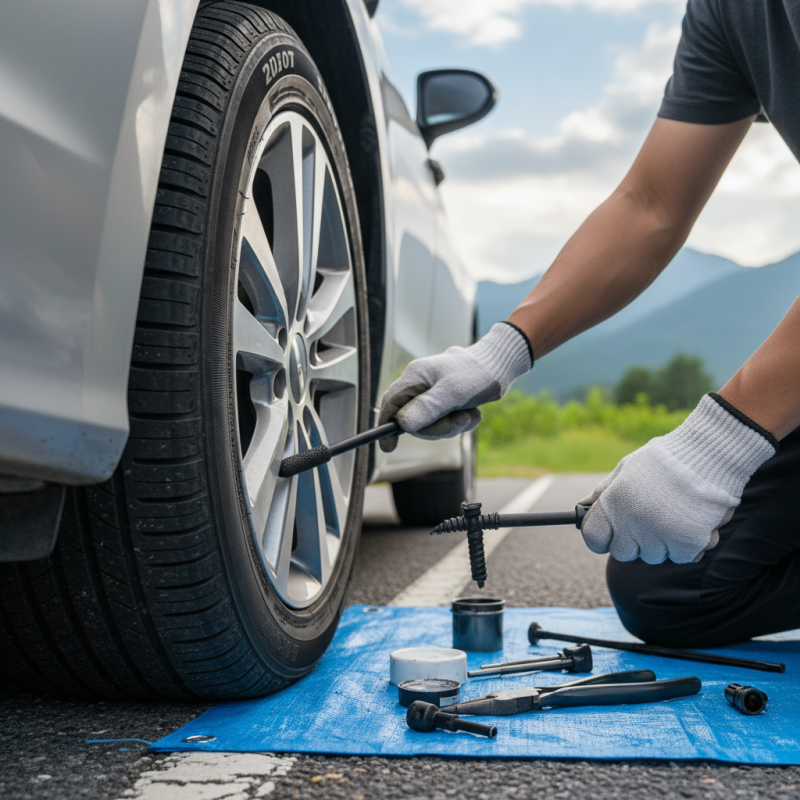
Fixing a flat tire can be a daunting task, but having the right tools makes it easier. A plug kit is essential for this job. It typically includes rubber plugs, a reamer, and a plug insertion tool. Make sure to read the instructions that come with your kit carefully. Understanding how each tool works is crucial for effective repairs.

When you encounter a flat tire, safety must come first. Ensure your car is parked on a flat surface and use wheel chocks for stability. A tire gauge is also helpful to check the air pressure before and after the repair. If the puncture is small, a plug can be effective. However, it's not a permanent fix and may require a more thorough repair later.

Check your plug kit regularly. Some components may degrade over time, leading to issues during repairs. Practice using your tools in a controlled environment. Rentals or borrowed equipment may be challenging during emergencies. Emphasizing preparation can make a significant difference when dealing with flat tires. Remember, effective repair relies on your attention to detail and the reliability of your materials.

Step-by-Step Guide to Using a Plug Kit

Dealing with a flat tire can be frustrating, but using a plug kit is a straightforward solution. Gather your materials before starting. You'll need a plug, a reamer, and a plug insertion tool. It's important to inspect the tire for the extent of the damage. If the hole is too large, a plug may not work. This step is crucial, as an improper fix could lead to further issues while driving.

Begin by removing the tire from the vehicle, if necessary. Clean the puncture with the reamer to create a smooth entry point. This ensures the plug will fit snugly. Don't rush this part. A clean puncture will keep out moisture and debris. Next, insert the plug with the insertion tool, making sure it goes in deep enough to seal the hole.

After inserting the plug, pull out excess material, leaving a small portion exposed. This is where many might overlook the importance of trimming. If you cut too much, the plug may fail. Inflate the tire to the recommended pressure. Finally, check for any leaks. A proper seal ensures safety while driving. If you're uncertain, taking the tire to a professional is always a smart choice.

Flat Tire Repair Time Comparison

Tips for Ensuring a Successful Tire Repair

When it comes to repairing a flat tire, using a plug kit can be effective if done correctly. One of the key elements to ensure a successful repair is proper preparation. According to the Tire Industry Association, nearly 90% of tire failures could be avoided with correct maintenance and timely repairs. Before starting, inspect the tire thoroughly. Look for punctures, and check the area surrounding the injury. It's important to avoid repairing tires with sidewall damage or multiple punctures, as this can lead to further complications.

Following the manufacturer's instructions for the plug kit is crucial. Insert the plug cleanly into the puncture, ensuring a tight fit. Studies indicate that incorrectly installed plugs can fail, resulting in more serious issues on the road. After the repair, allow the tire time to rest. This waiting period helps ensure the seal holds. Lastly, always monitor the repaired tire closely. Even a small leak can compromise safety. Keep in mind that while plug kits offer a quick solution, they may not provide a permanent fix for every situation. Reflecting on the experience can help improve future repairs and enhance tire longevity.

Safety Precautions and Maintenance After Repair

After repairing a flat tire with a plug kit, safety should be a top priority. Ensure the tire is properly inflated and the plug is secure. Regularly inspect the tire for any signs of leaks around the repaired area. This can prevent potential blowouts while driving. Remember, a temporary fix is not a permanent solution. Always monitor the performance of the tire closely.


Maintenance is crucial after a repair. Schedule a thorough examination of the tire at a professional shop. They can check for any internal damage. If the puncture is near the sidewall, it may be unsafe to continue using the tire. Keep track of your driving habits. Aggressive driving can worsen a patch or plug's integrity. It might be necessary to replace the tire if you notice any unusual vibrations or handling issues. Safety comes first, so don’t ignore any warning signs.

FAQS

: What commonly causes flat tires?

: Flat tires are often caused by punctures from sharp objects like nails or glass.

How does tire pressure affect flat tires?

Under-inflated tires can suffer sidewall damage, increasing the chance of blowouts.

What environmental factors impact tire health?

Extreme temperatures and seasonal changes can affect tire pressure and increase debris risks.

What tools are essential for repairing a flat tire?

A plug kit, including rubber plugs, a reamer, and an insertion tool, is crucial for repairs.

How can you ensure safety while fixing a tire?

Always park on a flat surface and use wheel chocks to keep the car stable.

Why is it important to check the plug kit regularly?

Components can degrade over time, which may lead to issues during tire repairs.

What is the first step when using a plug kit?

Gather your materials and inspect the tire for the extent of the damage before starting.

How should a puncture be prepared for plugging?

Clean the puncture with a reamer to ensure a snug fit for the plug.

What should you do after inserting a plug?

Trim excess material carefully; cutting too much can lead to failure of the plug.

When is it advisable to seek professional help?

If you're uncertain about the repair, taking the tire to a professional is a smart choice.

Conclusion

Knowing how to fix a flat tire with a plug kit can save you time and money during unexpected roadside situations. The process begins by understanding the common causes of flat tires, which can include punctures from sharp objects or tire damage. Essential tools for plugging a tire include a plug kit, tire reamer, and a pair of pliers.

The step-by-step guide to using a plug kit involves cleaning the puncture site, inserting the rubber plug, and ensuring it's sealed correctly. Following the repair, it is crucial to maintain safety by checking the tire pressure and visually inspecting the repair. By adhering to these tips and precautions, you can achieve a successful tire repair, ensuring your vehicle is ready for the road ahead.

Isabella

Isabella

Isabella is a dedicated marketing professional with a sharp focus on driving brand growth and engagement through strategic content creation. With an extensive background in digital marketing, she combines her passion for storytelling with her keen understanding of industry trends to deliver......