When it comes to vehicle safety, knowing when to replace tires based on age is crucial. Automotive expert John Smith emphasizes, "Tires age even if they appear fine on the outside." This statement highlights how aging impacts tire performance, regardless of tread depth or external visual condition.
Rubber compounds degrade with time, leading to potential hazards on the road. Many drivers overlook the age of their tires. They may assume that tire condition alone is sufficient. However, time takes its toll, even on seemingly perfect tires. The industry standard suggests monitoring tires every six years, while some experts advocate replacement every ten years, regardless of use.
Being proactive about tire maintenance can prevent accidents. It translates into safer drives for you and your passengers. Ignoring the age factor could lead to tire blowouts or reduced traction. Therefore, understanding when to replace tires based on age is essential for all vehicle owners. It's worth reassessing your tire situation now.
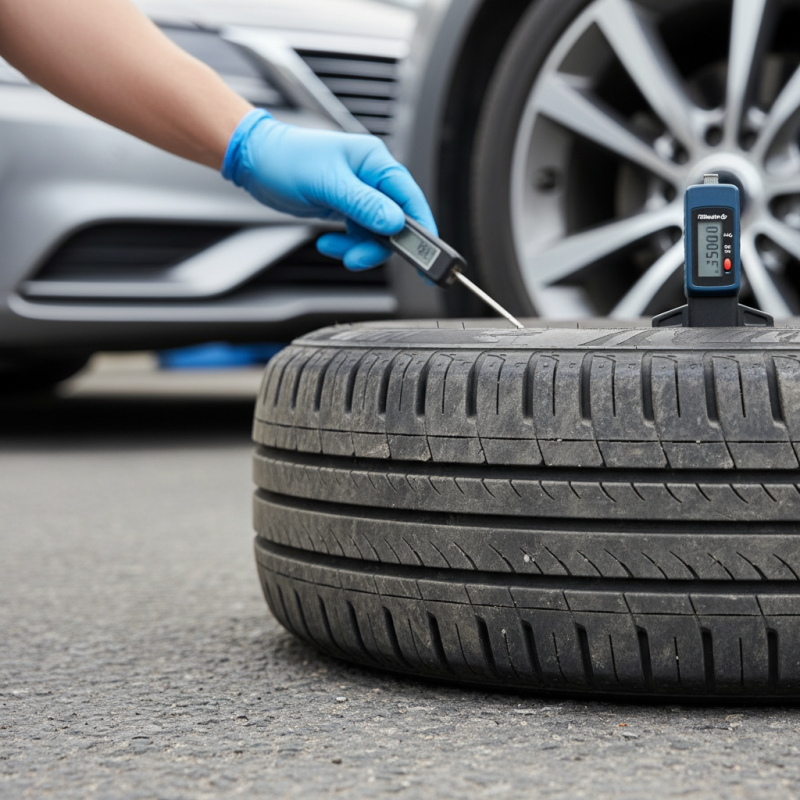
Understanding Tire Lifespan and Aging Effects
Tires age over time, even if they show little visible wear. Understanding the lifespan of your tires is crucial for safety. Most tires should be inspected closely after six years of use. They often begin to deteriorate even without significant tread wear. The rubber can harden, reducing grip, especially in wet conditions.
Factors influencing tire aging include exposure to sunlight, temperature, and humidity. Each of these elements can accelerate degradation. People often overlook this, believing that tread depth is the only concern. In reality, a tire can age prematurely and still have usable tread. Aging tires might also develop cracks, bulges, or blisters that are not immediately noticeable but can be risky.
Replacing tires based on age is essential. Even if you don't drive often, tires can still age. Look for signs of wear and inspect for damage every year. A professional inspection is advisable, particularly if your tires are nearing the ten-year mark. The cost of neglecting tire condition can lead to accidents or costly repairs. Prioritize safety and assess all factors that affect tire health regularly.
Signs of Tire Aging: What to Look For
Tires age over time, and certain signs indicate when they need replacement.
One key indicator is the tread depth.
Inspect your tires regularly. Worn-out tread leads to reduced traction. You can use a simple
penny test. Insert a penny into the tread groove.
If you can see all of Lincoln’s head, it's time for new tires.
Another important sign is cracking or bulging.
Look closely at the sidewalls. Small cracks may not seem significant. However, they can indicate deeper issues.
Bulges can lead to blowouts on the road. If you notice any abnormalities,
consider replacing the tires soon.
Lastly, check for uneven wear.
Rotate your tires regularly to promote even wear. Monitor tire pressure as well.
Low pressure can lead to excessive wear.
Always be proactive. Replacing tires at the right time can prevent accidents.
Prioritize safety above all else.
Recommended Tire Replacement Age Guidelines
Tire replacement is critical for safety. A common guideline is to replace tires every six years, regardless of tread wear. After ten years, it's essential to replace them, even if they look fine. Age affects tire materials and performance.
Cracking, warping, or bulging can occur over time. These signs aren't always visible but can reduce safety.
Consider your driving habits. If you drive frequently on rough roads, your tires might deteriorate faster. Regular inspections are vital. Check for uneven wear patterns and air pressure. These can indicate problems that age can exacerbate. A simple visual check can reveal issues before they become serious.
Don’t forget about storage conditions. If tires are stored improperly, they may age faster. Heat, humidity, and sunlight can damage tires even when not in use.
Follow guidelines for tire care. Respecting tire age is not just practical; it’s a safety necessity. Think about your safety and that of others on the road. Make informed decisions about tire replacements to maintain optimal performance.
Factors Influencing Tire Longevity Beyond Age
Tire longevity is influenced by various factors, extending beyond mere age. A recent report from the National Highway Traffic Safety Administration (NHTSA) states that tires can deteriorate from UV exposure, humidity, and extreme temperatures. These factors can significantly shorten the lifespan of tires, regardless of their manufacturing date.
Tire pressure is another crucial element. Under-inflated tires can wear unevenly and lead to increased rolling resistance. This can cause overheating and potential blowouts. Regularly checking tire pressure can save you from costly replacements. Experts recommend checking tires at least once a month.
Driving habits also play a role. Aggressive driving, such as hard braking and rapid acceleration, can increase tire wear. Studies have shown that these habits can reduce tire lifespan by up to 30%. Adopting smoother driving techniques can enhance tire longevity.
Invest time in learning about tire maintenance. Understanding the signs of wear is essential. Look for uneven tread wear and bulges, which can indicate deeper issues. Making small changes can lead to significant savings.
Impact of Driving Conditions on Tire Wear and Replacement Timing
Driving conditions significantly influence tire wear and the timing for replacement. Research from the Tire Industry Association reveals that tires can wear down faster in harsh environments. For example, roads in urban areas with constant stop-and-go traffic can lead to more rapid degradation compared to highways. This wear is exacerbated in extreme weather conditions — hot or cold can affect tread life.
In a study by the Rubber Manufacturers Association, it was found that approximately 30% of drivers do not replace their tires until they are dangerously worn. This can lead to compromised safety. Regular inspections can help identify when tires are losing their tread. For instance, if a tire's tread depth drops below 2/32 inches, it is crucial to consider a replacement.
Furthermore, additional factors such as load and tire pressure play a critical role in overall tire health. Overloading your vehicle can cause tires to heat up and wear down prematurely. Keeping tires properly inflated enhances their lifespan. Noticing irregular wear patterns can also indicate alignment or suspension issues, which need addressing. These aspects require drivers to remain vigilant about their tires' health, ensuring both safety and performance.
FAQS
: Inspect your tires at least once a year for safety.
Sunlight, temperature, and humidity can accelerate tire degradation.
Check for tread depth, cracks, bulges, and uneven wear.
Use a penny; if Lincoln’s head is visible, replace the tires.
Proper tire pressure helps prevent uneven wear and blowouts.
Yes, tires can deteriorate over time regardless of usage.
Aggressive driving, like hard braking, can reduce tire lifespan significantly.
Look for significant cracks, bulges, or excessive tread wear.
Regularly rotate your tires and monitor tire pressure consistently.
Neglected tires can lead to accidents or costly repairs.
Conclusion
When considering "when to replace tires based on age," it is crucial to understand the lifespan and aging effects of tires. Tires naturally deteriorate over time due to various factors, including material degradation and environmental exposures. Signs of tire aging include visible cracks, bulges, and tread wear, which should prompt a closer inspection and potential replacement.
Guidelines suggest that tires should typically be replaced every six to ten years, regardless of tread wear, particularly if they show signs of aging. Factors influencing tire longevity, such as driving habits, storage conditions, and climate, also play a significant role in determining replacement needs. Lastly, driving conditions—like frequent exposure to rough roads or extreme weather—can further impact tire wear and should be considered when assessing the appropriate timing for tire replacement. By staying informed about these aspects, drivers can ensure their safety and optimal vehicle performance.
 C-Max Tire
