Why Do Cold Temperatures Decrease Tire Pressure?

Time:2026-05-31 Author:Liam
0%

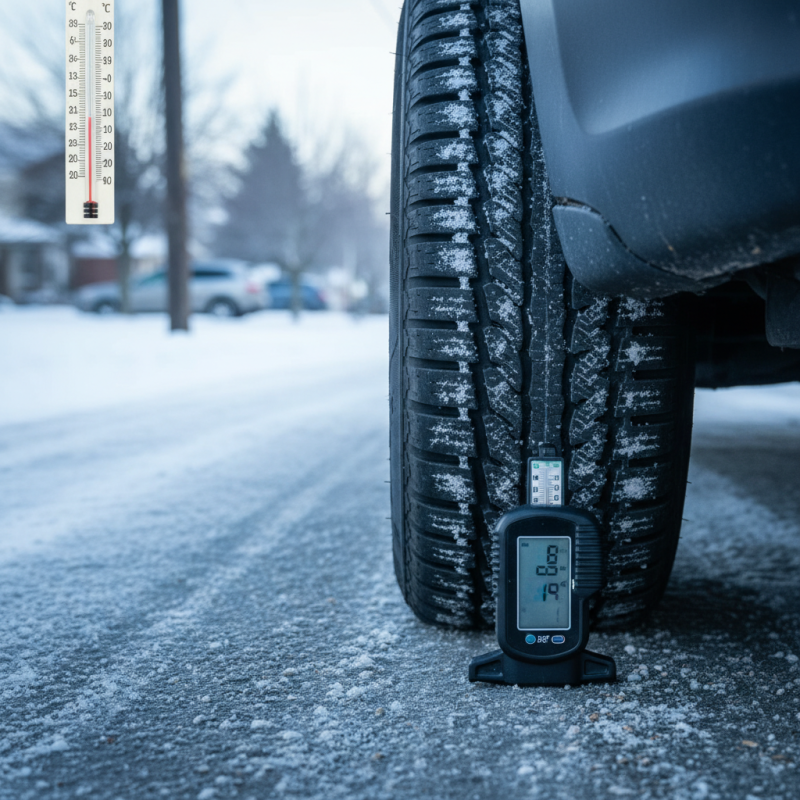
Cold temperatures can significantly impact tire pressure, raising vital questions about vehicle safety. According to the Rubber Manufacturers Association, for every 10 degrees Fahrenheit drop in temperature, tire pressure can decrease by one pound per square inch (PSI). This change can affect vehicle handling and fuel efficiency. Expert James T. Thompson, an automotive engineer, states, “A drop in tire pressure reduces the tire's contact with the road, which compromises safety.”

Understanding "Why do cold temperatures drop tire pressure" is crucial for every driver, particularly during winter months. Reduced tire pressure can lead to uneven tire wear and increased stopping distances, which is alarming for road safety. The correlation between cold weather and tire pressure is not merely a nuisance; it's essential for optimal vehicle performance.

Many drivers overlook the importance of regular tire pressure checks, especially during colder months. A lack of awareness can lead to costly repairs or hazardous driving conditions. Addressing this issue requires education on the effects of temperature on tire pressure. This knowledge empowers drivers to maintain their vehicles and ensures a safer driving experience.
Why Do Cold Temperatures Decrease Tire Pressure?

Understanding Tire Pressure and Its Measurement

Tire pressure is critical for vehicle performance and safety. Understanding it involves knowing how temperature affects air inside tires. As temperatures drop, the air molecules condense, leading to a decrease in pressure. This occurs at a rate of about 1 PSI for every 10°F decrease in temperature. Many drivers overlook this aspect during winter.

Measuring tire pressure correctly is essential. Drivers should use a reliable gauge to check pressure when tires are cold. Morning is a good time, as driving warms the tires, affecting readings. Regular checks can prevent premature tire wear or blowouts.

Tires can appear fine until issues arise, leading to dangerous situations. This highlights the need for constant vigilance. Neglecting proper tire pressure can lead to decreased fuel efficiency, impacting the wallet. Proper education and proactive measures can mitigate these risks significantly.

The Science Behind Temperature and Gas Behavior

Cold temperatures significantly impact tire pressure due to the behavior of gas molecules. As the temperature drops, gas molecules within the tire lose kinetic energy. This slowdown causes them to occupy less space, leading to a decrease in pressure. For every 10-degree Fahrenheit drop, tire pressure can decrease by 1 psi. This foundational principle of gas behavior is vital for safe driving.

Driving with low tire pressure can lead to various issues. Poor traction on icy roads, increased tire wear, and reduced fuel efficiency are just a few consequences. Regularly checking tire pressure becomes even more critical during winter months. Unfortunately, many drivers overlook this essential maintenance task.

Understanding the science behind temperature changes and gas behavior can promote safer driving. Observations show that cold mornings, especially in winter, often lead to flat tires. Drivers may find themselves in uncomfortable situations. It's a reminder to stay vigilant and proactive about tire maintenance. A small drop in pressure can have significant effects on vehicle performance.

Impact of Temperature on Tire Pressure

This chart illustrates the decline in tire pressure as temperatures drop. The data indicates a consistent decrease in tire pressure for a standard tire per a drop of 10°C (18°F) in temperature.

Effects of Cold Weather on Air Density and Volume

Cold weather has a significant impact on tire pressure. As temperatures drop, the density of air in tires decreases. This is due to the gas laws governing air behavior. For every 10°F decrease, tire pressure can drop by about 1 PSI. This relationship is critical for vehicle safety and performance. Many drivers overlook this aspect, putting themselves at risk.

In colder conditions, the volume of air decreases. Tires contract, leading to lower pressure levels. This can result in reduced traction and longer braking distances. According to the National Highway Traffic Safety Administration, under-inflated tires can reduce fuel efficiency by up to 3%. Those numbers highlight the importance of maintaining proper tire pressure in winter months.

Monitoring tire pressure is crucial. Many drivers neglect to check pressure regularly, which can lead to dangerous driving conditions. An under-inflated tire is less capable of handling the weight of a vehicle. This not only affects performance but also increases tire wear. Awareness of temperature's effects on tire pressure can lead to safer driving experiences.

Impact of Tire Pressure on Vehicle Performance and Safety

Cold temperatures can lead to significant decreases in tire pressure. A drop of 1 PSI (pound per square inch) can occur for every 10-degree Fahrenheit decrease in temperature. This change has profound implications for vehicle performance and safety. Under-inflated tires reduce fuel efficiency, increase wear, and compromise handling. According to the National Highway Traffic Safety Administration, improper tire pressure is a factor in 11,000 crashes annually.


Maintaining optimal tire pressure is crucial. Tire pressure gauges are affordable tools every driver should own. Regular checks can prevent performance issues. For best results, check your tires when they are cold. It’s also important to remember that tire pressure can fluctuate with changes in weather.


Ignoring tire pressure can lead to dangerous situations. Under-inflated tires can cause blowouts. The tread wears unevenly, which might lead to loss of traction. Stay informed and routinely address your tire maintenance. The safety of your vehicle depends on it.

Preventative Measures for Maintaining Ideal Tire Pressure in Winter

Cold temperatures significantly affect tire pressure. According to the National Highway Traffic Safety Administration, tire pressure decreases by approximately 1 PSI for every 10°F drop in temperature. This reduction impacts vehicle safety, handling, and tire wear. Therefore, maintaining the ideal tire pressure becomes crucial during winter months.

To ensure optimal tire performance, regularly check your tire pressure throughout the winter season. Use a reliable tire gauge to measure pressure when tires are cold. Ideally, perform this check at least once a month. Keeping pressures within the manufacturer’s recommended range can improve traction and fuel efficiency.

Tip: Inflate your tires to the recommended PSI before cold weather arrives. Also, consider storing your vehicle in a garage if possible, protecting it from extreme temperature drops. This small measure can help maintain tire pressure longer.

Additionally, avoid over-inflating tires as a quick fix. It may compromise the handling of your vehicle on icy roads. When tires are too hard, they lose grip effectively in winter conditions. Always strike a balance between safety and performance.

FAQS

: How does cold weather affect tire pressure?

: Cold temperatures cause gas molecules to lose kinetic energy, reducing tire pressure. A drop of 10°F decreases pressure by 1 psi.

What happens if I drive with low tire pressure?

Low tire pressure leads to poor traction, increased tire wear, and lower fuel efficiency. Safety is compromised.

How often should I check my tire pressure in winter?

It’s important to check tire pressure at least once a month during winter. Cold affects pressure significantly.

What tools do I need to check tire pressure?

Use a reliable tire gauge. Ensure you measure pressure when the tires are cold for accurate readings.

Should I inflate my tires before winter?

Yes, inflate your tires to the recommended PSI before cold weather. This proactive measure helps maintain pressure.

Is it okay to over-inflate tires in winter?

No, over-inflating tires can harm handling on icy roads. Balance is key for safety and performance.

What can I do to keep my tires in good condition?

Store your vehicle in a garage if possible. This protects tires from extreme temperature drops and aids in pressure maintenance.

Why do I often get flat tires in winter?

Cold temperatures can lead to lower tire pressure, increasing the risk of flat tires. Stay vigilant about tire maintenance.

What is a common mistake drivers make regarding tire care?

Many drivers overlook checking tire pressure regularly, especially in winter. This neglect can lead to dangerous driving conditions.

Can tire condition affect fuel efficiency?

Yes, under-inflated tires can reduce fuel efficiency. Proper pressure is essential for optimal vehicle performance.

Conclusion

Cold temperatures have a significant impact on tire pressure, primarily due to the behavior of gases under varying temperatures. "Why do cold temperatures drop tire pressure" can be understood through the principles of gas laws, which state that the volume of gas decreases as temperature drops, leading to reduced air pressure within the tires. As the air inside the tire cools, its density increases, resulting in a decline in the overall tire pressure.

This decrease in tire pressure can severely affect vehicle performance and safety, as it reduces traction, increases tire wear, and alters handling. To maintain ideal tire pressure during winter months, drivers should regularly check their tire pressure and inflate their tires as necessary. Understanding the relationship between temperature and tire pressure is crucial in preventing accidents and ensuring optimal vehicle performance in colder conditions.

Liam

Liam

Liam is a dedicated marketing professional with a profound expertise in the industry, where he excels at highlighting the unique advantages of our core products. With a keen understanding of market trends and consumer needs, Liam frequently updates our company’s professional blog, providing......