Can a Sidewall Tire Puncture Be Repaired?

Time:2026-09-29 Author:Charlotte
0%

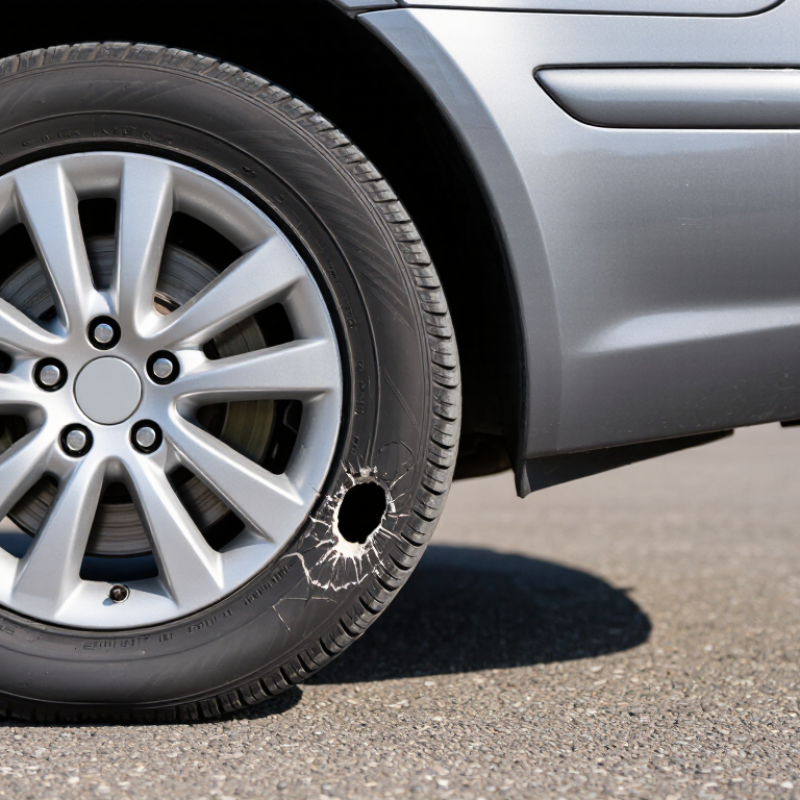
A sidewall puncture can appear small, yet its risk is not small. The sidewall flexes thousands of times during every journey. That movement can enlarge hidden internal damage around the injury. So, can a sidewall tire puncture be repaired? In most cases, reputable tire professionals say no. The safer answer usually involves replacement, not a plug or patch.

The U.S. Tire Manufacturers Association (USTMA), in its Care and Service of Passenger and Light Truck Tires guidance, limits permanent repairs to specific tread-area injuries. Its recommendations exclude the sidewall and shoulder because these zones experience continuous flexing. The Tire Industry Association also teaches technicians to reject sidewall repairs when structural integrity may be compromised. Michelin’s tire-care guidance reaches a similar conclusion: sidewall punctures generally require tire replacement. These are not casual opinions. They reflect inspection procedures, casing design, and failure-risk analysis.

The National Highway Traffic Safety Administration (NHTSA) identifies tire maintenance as an important part of crash prevention. Its Tire Safety: Everything Rides on It resource advises drivers to inspect tires regularly and respond to visible damage promptly. A nail near the sidewall, a bulge, exposed cords, or a slow pressure loss deserves immediate attention. Do not keep driving casually. Even a short trip can turn a repairable-looking injury into a sudden failure. There are exceptions in wording, but not many in practice. I once underestimated how quickly pressure can fall after a minor impact; that mistake changed my inspection habits. This guide examines repair limits, professional inspection methods, replacement decisions, and the warning signs drivers should never ignore.
Can a Sidewall Tire Puncture Be Repaired?

Define the Injury: Sidewall Punctures Fall Outside USTMA’s 6 mm Repair Zone

Can a Sidewall Tire Puncture Be Repaired?

A sidewall puncture is not the same as a tread puncture. The injury sits in the tire’s most flexible area, where the sidewall bends constantly under load. USTMA’s Care and Service of Passenger and Light Truck Tires guidance limits permanent puncture repairs to the tread area and injuries no larger than 6 mm. That repair zone does not extend into the shoulder or sidewall. The reason is structural, not cosmetic. Sidewall cords can suffer hidden damage, even when the hole looks small. A plug may stop air loss temporarily, but it cannot restore weakened internal materials. I have seen drivers judge safety by appearance alone. That is a risky shortcut.

Do not drive far on a punctured sidewall. Heat, low pressure, and repeated flexing can worsen the injury within minutes. A qualified tire professional should remove the tire and inspect its interior. The USTMA also advises replacing tires with sidewall damage rather than repairing them. Age, load history, and run-flat driving can change the assessment. No inspection through the outside rubber is enough.

Tips: Check the exact injury location first. Measure the opening only after removing the tire. Never accept a tread-repair rule for a sidewall injury. If the tire has carried weight while flat, ask for an internal inspection. Sometimes replacement feels excessive. It may still be the more reliable decision.

Can a Sidewall Tire Puncture Be Repaired?

Under USTMA guidance, the standard repair zone is limited to punctures up to 6 mm in the tread area. Sidewall and shoulder punctures fall outside this repair zone and should not be treated as standard repairable injuries.

“Potentially repairable” applies only when the injury is in the tread area, measures no more than 6 mm, and the tire passes a complete professional inspection. A sidewall puncture is outside the defined repair zone.

Apply TIA Guidance: Approved Repairs Are Limited to the Tread Area

Can a Sidewall Tire Puncture Be Repaired?

Apply TIA Guidance: Approved Repairs Are Limited to the Tread Area

A sidewall puncture should not receive a plug or patch repair. The Tire Industry Association’s Passenger and Light Truck Tire Repair Procedures limit approved repairs to the tread area. The injury must also be no larger than 1/4 inch, or 6 millimeters. Repairs must use a suitable internal patch and rubber stem, installed after removing the tire for inspection.

The reason is structural. The sidewall flexes continuously while the vehicle moves. A puncture can damage cords that remain invisible from the outside. Look for a bulge, cut edges, exposed fibers, or rapid air loss. These signs require immediate removal from service. Do not judge safety by appearance alone.

That rule can feel conservative. It is.

The U.S. Tire Manufacturers Association also states that sidewall and shoulder injuries are not repairable under standard repair practices. NHTSA’s Traffic Safety Facts reported 664 deaths in tire-related crashes during 2020. That figure does not prove every event involved a sidewall puncture, but it shows why inspection standards matter. A trained technician should record the injury location, inspect the inner liner, and check for run-flat damage. A tire that looks usable may still be structurally compromised. Replacing it is often the safer decision than testing an uncertain repair.

Assess Structural Risk: Sidewall Flexing Can Damage Internal Cord Layers

Can a Sidewall Tire Puncture Be Repaired?

A sidewall puncture is not a simple air leak. The sidewall bends repeatedly under load, especially during cornering and braking. This flexing can break or separate internal cord layers that remain invisible from outside. A tire may look acceptable in the driveway, then fail after several highway miles.

That is the uncomfortable part.

Industry repair guidance generally limits permanent repairs to the tread’s repairable area. The U.S. Tire Manufacturers Association states that sidewall and shoulder damage should not receive conventional puncture repairs. A plug inserted from outside cannot restore damaged cords or the inner liner.

NHTSA reported 738 deaths in tire-related crashes during 2017

showing why visual reassurance is not enough. The figure does not prove every sidewall puncture causes a crash. It does show that tire condition deserves careful assessment.

Look for a nail, cut, bulge, exposed fabric, or abrasion near the sidewall lettering. Do not inflate a visibly damaged tire and continue driving. Remove it for inspection by a qualified tire professional, using proper mounting equipment and internal examination.

A small surface scuff may differ from a penetration, but guessing is risky. I once considered a slow leak “minor”; that assumption ignored the tire’s hidden structure.

Replacement is usually the responsible option when cords, liner, or sidewall rubber are compromised. Temporary inflation products may mask pressure loss, not repair structural damage.

Inspect Before Replacement: Demount the Tire to Check Hidden Innerliner Damage

Can a Sidewall Tire Puncture Be Repaired?

A sidewall puncture usually requires tire replacement, not a plug or patch. The sidewall flexes constantly while driving. That movement can loosen a repair and weaken the casing.

Do not judge the damage from the outside alone. Demount the tire and inspect the hidden innerliner carefully. A nail may leave a small opening outside but create a torn, stretched, or polished area inside. Look for rubber dust, scuff marks, exposed cords, or a dark ring around the puncture. These details can reveal heat and friction damage caused by driving with low air pressure.

Inspect the bead area, too. A deflated tire can pinch against the rim and damage internal layers without leaving an obvious mark. Check for bulges, cuts, wrinkles, and separated rubber. The tire’s age and previous repairs also matter. A clean-looking sidewall is not proof of safety.

A qualified technician should make the final decision using established tire inspection procedures. In many cases, sidewall damage cannot be repaired safely because the structural cords are compromised. Replacement is often the responsible choice.

The inspection can still be uncertain. Hidden damage is easy to underestimate. When doubt remains, driving on that tire is a risk worth avoiding.

Follow Safety Limits: Replace Any Tire with Sidewall Penetration or Bulging

A sidewall tire puncture should not be repaired. The sidewall flexes constantly while the vehicle moves. That movement can damage internal cords around the penetration. Damage may remain hidden beneath the rubber. A plug or patch cannot restore the tire’s original strength.

Bulging is an even stronger warning. It often indicates separated internal layers or broken cords. I have seen small-looking bulges become obvious after pressure changes. Do not press the bulge or continue driving to test it. Even a short trip can lead to sudden air loss. Replace the tire with sidewall penetration or bulging.

A careful inspection starts with the tire fully exposed. Check for cuts, bubbles, exposed threads, and uneven pressure. If the tire is losing air, avoid driving on it. Use a spare tire or arrange professional assistance. The wheel should also be inspected, especially after hitting a pothole. A bent rim can cause repeated air loss and may hide additional damage.

It is tempting to trust a quick visual check. That judgment can be wrong. Tire technicians use proper tools and inspect the inner liner. They also consider the puncture’s location, impact history, age, and inflation condition. Repair rules for tread damage do not apply to the sidewall. Safety limits matter more than saving one tire.

Can a Sidewall Tire Puncture Be Repaired? — Follow Safety Limits: Replace Any Tire with Sidewall Penetration or Bulging

Tire Condition Can It Be Repaired? Recommended Action Safety Reason
A nail, screw, or other object has penetrated the sidewall No Replace the tire. If it is losing air, do not continue driving on it; use a spare if safe or arrange roadside assistance. The sidewall flexes as the tire rolls, and a repair cannot reliably restore its structural strength.
A raised bulge or bubble appears on the sidewall No Replace the tire as soon as possible. Avoid driving on it; a bulge can signal internal structural damage. Damaged internal cords can fail suddenly, increasing the risk of a rapid loss of air or tire failure.
A cut, crack, or tear reaches through the sidewall No Have the tire replaced; do not use an external plug or sealant as a permanent repair. Sidewall damage is outside the area considered suitable for a conventional puncture repair.
A surface scuff is present, but there is no penetration, bulge, air loss, or exposed cord Inspection required Ask a qualified tire professional to inspect the tire, especially if the scuff is deep or its extent is uncertain. Damage beneath the surface may not be visible from the outside.
A small puncture is confined to the central tread area Possibly A qualified tire professional should remove the tire for internal inspection and determine whether an approved repair is appropriate. Repair eligibility depends on the puncture’s size, location, tire condition, and applicable repair standards. Sidewall and shoulder damage is not included.

Important: A plug applied from the outside or a tire sealant is not a permanent repair for sidewall damage. When in doubt, stop driving and have the tire assessed by a qualified tire professional.

FAQS

Can a punctured tire sidewall be repaired?

Usually, no. Sidewall damage lies outside the normal permanent repair area. Replacement is often safer than a plug or patch.

Why is sidewall damage more serious than tread damage?

The sidewall bends during cornering, braking, and carrying weight. This movement can damage internal cords that remain invisible outside.

Can a small sidewall hole still be dangerous?

Yes. A tiny opening may hide stretched cords, innerliner damage, or heat marks. Small does not always mean harmless.

Is an outside plug a safe solution?

No. A plug may slow air loss, but it cannot rebuild weakened internal materials. It can create false confidence.

Should I drive to a repair shop with sidewall damage?

Avoid driving far. Low pressure, heat, and repeated flexing can worsen the injury within minutes. Use professional assistance when possible.

What should a technician inspect inside the tire?

The technician should check the innerliner, cords, bead, and surrounding rubber. Look for scuff marks, rubber dust, wrinkles, bulges, or dark rings.

Does driving while flat change the inspection?

Yes. A deflated tire can pinch against the rim and damage hidden layers. Previous run-flat driving may also affect the decision.

Can a surface scuff be different from a puncture?

Yes. A shallow scuff may not penetrate the structure. Still, guessing from outside is risky. I have underestimated “minor” damage before.

When should a damaged tire be replaced?

Replace it when cords, the innerliner, or structural sidewall rubber are compromised. When doubt remains, replacement may feel excessive, but continued driving is riskier.

Conclusion

Can a sidewall tire puncture be repaired? In most cases, the answer is no. Industry repair guidance generally limits puncture repairs to the central tread area, where the tire experiences less flexing and can be safely reinforced. Sidewall punctures fall outside the commonly accepted repair zone, including injuries larger than the permitted tread-area limit. Because the sidewall constantly flexes while driving, a repair may fail to restore the tire’s internal strength and could allow damage to spread through the cord layers.

Before making a final decision, the tire should be removed from the wheel and carefully inspected from the inside. Hidden innerliner damage, separated cords, or signs of air loss may not be visible externally. Any tire with sidewall penetration, bulging, exposed cords, or significant structural damage should be replaced rather than repaired. Following these safety limits helps prevent sudden tire failure and supports safer driving.

Charlotte

Charlotte

Charlotte is a seasoned marketing professional with a deep understanding of the company's portfolio and a passion for elevating its presence in the market. With a keen eye for detail and a commitment to excellence, she ensures that our professional blog is regularly updated with insightful articles......