Storing seasonal tires during summer is essential for their longevity and performance. According to John Baker, a tire care expert with over 15 years of experience, “Proper tire storage can prevent unnecessary damage.” This highlights the importance of knowing how to store seasonal tires during summer.
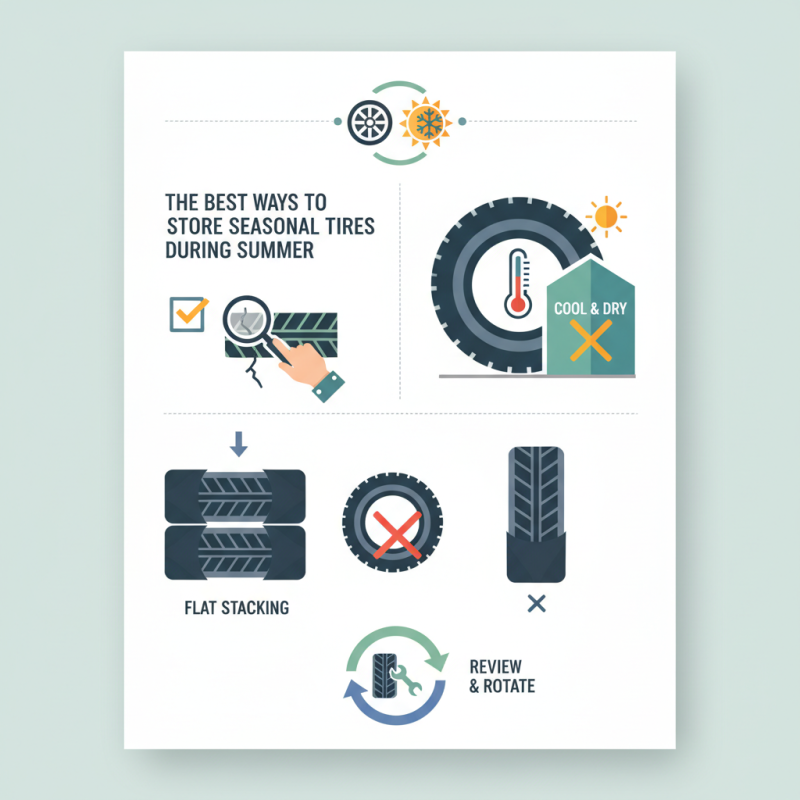
Selecting an appropriate storage location is the first step. A cool, dry space away from direct sunlight is ideal. Temperature fluctuations can harm the tires. Improper storage may lead to cracks or warping over time, which can compromise safety. It’s crucial to inspect tires for wear or damage before storing them.
Next, consider how to position the tires. If you choose to stack them, place them flat. Avoid standing them on their treads, as this can alter their shape. Using tire bags can be helpful, too. Not all methods guarantee perfection, so reviewing techniques can lead to better practices. Remember, how to store seasonal tires during summer can influence their performance when you need them next.
Proper Cleaning and Inspection of Seasonal Tires Before Storage
Before storing seasonal tires, thorough cleaning and inspection are crucial. Begin by washing the tires with soap and water to remove dirt and brake dust. According to recent data, neglecting this step can lead to premature tire degradation. A clean tire is less susceptible to damage from sunlight or heat.
Inspect each tire for cracks or uneven wear. Industry reports indicate that nearly 30% of tires show signs of wear that could compromise performance. Look for embedded stones or nails that could cause leaks. Ensure the tread depth is adequate to meet safety standards. If tires are worn down excessively, they may not perform well at the next season.
After cleaning and inspection, ensure tires are dried properly. Moisture can create mold and mildew. Storing tires in a cool, dry environment helps maintain their integrity. Ideally, keep them upright to avoid deformation. Poor storage practices can lead to significant long-term issues. Being mindful of these details can enhance tire longevity and performance.
Best Ways to Store Seasonal Tires During Summer
| Storage Method |
Cleaning Steps |
Inspection Checklist |
| Vertical Storage |
Wash with soap and water, dry thoroughly. |
Check for cracks, bulges, or punctures. |
| Horizontal Stacking |
Remove dirt and debris, inspect for stones. |
Inspect tread depth, look for uneven wear. |
| Hanging on Hooks |
Clean with a dedicated tire cleaner, rinse well. |
Examine sidewalls for age-related damage. |
| Tire Vacuum Bags |
Dry thoroughly before sealing in bags. |
Check for signs of moisture inside bags. |
| Store in a Cool, Dark Place |
Rinse and dry tires to remove all contaminants. |
Assess for any unusual wear patterns. |
Choosing the Right Storage Location for Seasonal Tires
Choosing the right storage location for seasonal tires is crucial. A controlled environment extends tire life. Ideally, tires should be placed in a cool, dark area. Heat and direct sunlight degrade rubber compounds. According to industry reports, tires stored in unsuitable conditions can age prematurely, leading to potential safety issues.
Tires need to be kept off the ground. Direct contact with the ground can lead to moisture buildup. A pallet or tire rack is ideal. Ensure the storage space is dry and ventilated. This prevents mold growth and tire degradation. Many experts recommend rotating tires every few months, even when in storage. This helps maintain their shape.
Tip: Always clean tires before storage. Remove dirt and debris to prevent damage. Use tire bags to shield them from dirt and UV exposure. Monitor the storage area for temperature fluctuations. Keeping tires between 50°F and 70°F can significantly improve longevity. Regular checks can reveal hidden issues early.
Optimal Tire Positioning: Stack vs. Hang
When it comes to storing seasonal tires during summer, the way you position them matters greatly. Many experts recommend either
stacking or hanging tires. Each method has its pros and cons based on space and tire condition.
Stacking tires can save space, but improperly stacked tires may cause sidewall deformation.
A study by Tire Industry Association indicates that tires left in the same position can lose structural integrity over time.
Hanging tires, on the other hand, keeps them off the ground. This method may help maintain their shape better, especially for performance tires.
Hanging tires also reduces the risk of moisture buildup. However, not all garages have the capacity to hang tires.
A report from Rubber Manufacturers Association suggests that proper storage can boost tire longevity by as much as 30%.
Choosing between stacking and hanging requires careful consideration. Your available space and tire type should guide the decision.
Think about air circulation and exposure to heat. Both methods can work, but improper handling could lead to costly mistakes.
Aim for a method that minimizes stress on your tires.
Using Tire Covers or Wrapping for Protection
Storing seasonal tires during summer can be a straightforward task if done correctly. One of the best methods is using tire covers or wraps. These protective layers shield your tires from dust, UV rays, and moisture. UV damage can cause the rubber to crack over time. Without proper protection, your tires may degrade faster than expected.
When choosing tire covers, opt for breathable materials. This ensures moisture doesn't get trapped, preventing mold. Be sure to clean your tires thoroughly before covering them. This removes dirt and debris that can cause damage. Keep the tires stacked in a cool, dry place, away from direct sunlight.
Inspect your tires regularly while stored. Look for any signs of wear or damage. If you notice any problems, it may impact their performance when you need them again. If wraps seem too tedious, simple plastic coverings can work too. Just remember to use caution with plastic, as it can trap moisture. Each method has its pros and cons, so find what suits you best.
Maintaining Ideal Temperature and Humidity Levels for Tire Storage
When storing seasonal tires during summer, maintaining ideal temperature and humidity levels is crucial. According to industry studies, tires should be kept in a cool dark place, ideally between 50°F and 70°F. Excessive heat can lead to rubber degradation, while extreme humidity can promote mold growth. A well-ventilated area can help balance these conditions.
In practice, many find it challenging to maintain these levels consistently. One might store tires in a basement or garage, but fluctuations in temperature are common. A dehumidifier can help combat humidity, ensuring a stable environment. It’s important to regularly monitor the conditions where tires are kept, as neglect may lead to unnecessary wear.
Some experts recommend using tire covers to protect against dust and UV exposure. This additional layer offers a barrier, but the underlying temperature and humidity control remain paramount. Neglecting these factors could result in tires needing early replacement—wasting time and resources. A small investment in proper storage solutions can pay off significantly over time.
FAQS
: A controlled environment extends tire life and prevents premature aging.
Tires should be kept in a cool, dark area, ideally between 50°F and 70°F.
Heat and direct sunlight can degrade rubber compounds, risking safety issues.
Tires need to be off the ground and placed on a pallet or tire rack.
Cleaning tires removes dirt and debris, preventing damage during storage.
Use tire bags or covers to shield tires from dirt and UV rays.
Excessive humidity can promote mold growth, leading to tire degradation.
Many face difficulty in keeping consistent temperature and humidity levels.
Regular checks help identify issues early and maintain ideal storage.
Poor storage can lead to early tire replacement, wasting time and resources.
Conclusion
When considering how to store seasonal tires during summer, proper preparation and storage techniques are essential. First, ensure that tires are thoroughly cleaned and inspected for any damages before storage. Choosing the right location is also crucial; it should be a cool, dry area away from direct sunlight. When it comes to positioning, tires can either be stacked or hung, depending on space availability and ease of access. Additionally, utilizing tire covers or wrapping can protect against dust and moisture. Lastly, maintaining ideal temperature and humidity levels is vital to prolong the lifespan of the tires. By following these guidelines, you can ensure that your seasonal tires remain in optimal condition until they are needed again.
 C-Max Tire
