Understanding the longevity of all-season tires is crucial for vehicle owners. Reports indicate that the average lifespan of these tires ranges from 50,000 to 70,000 miles. However, the question remains: "How long do all-season tires actually last?" According to tire expert Dr. Emily Carter, “The durability of all-season tires depends on several factors, including driving habits and road conditions.”
Frequent driving on rough terrain can significantly reduce tire life. Additionally, under-inflation and overloading can lead to premature wear. Many drivers may not realize how these factors influence their tires. Regular maintenance should not be overlooked. Without proper care, those projected miles can diminish quickly. It's essential to commit to regular inspections and rotations to optimize tire performance.
In some cases, drivers expect all-season tires to perform like winter tires. This misconception can lead to disappointment. Understanding the nuances and limitations of all-season tires is vital. Ultimately, being informed about tire longevity can enhance safety and savings. We must continually reflect on our driving experiences and how they affect tire durability.
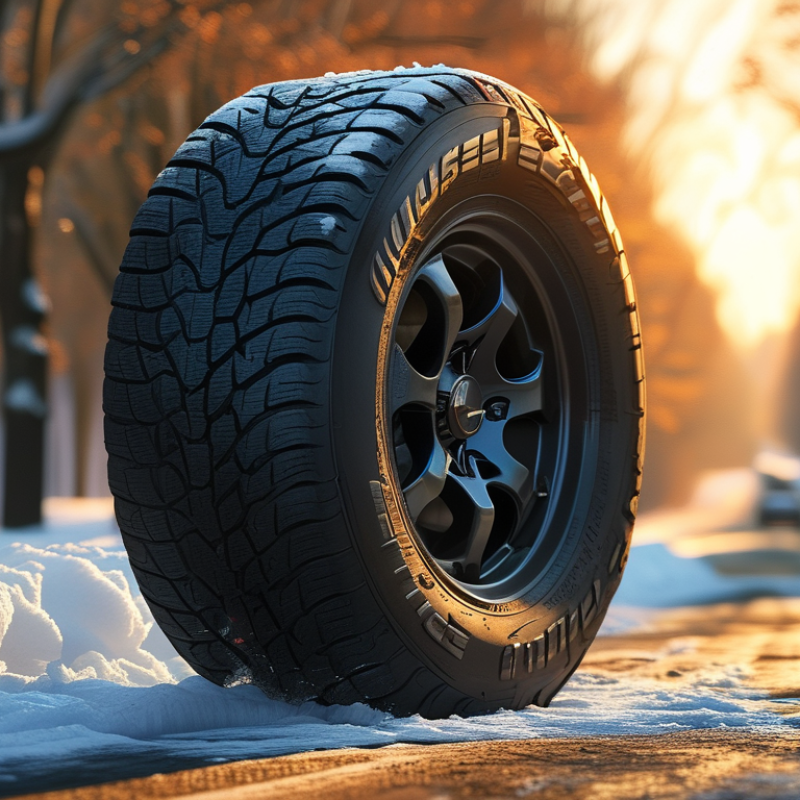
Understanding All-Season Tires and Their Lifespan
All-season tires are designed for diverse weather conditions, but their lifespan can vary widely. On average, these tires last between 40,000 and 70,000 miles, depending on driving habits and maintenance. According to the Tire Industry Association, over 50% of drivers do not rotate their tires regularly. This oversight can significantly reduce tire life.
The rubber compounds in all-season tires offer a balance of grip and durability. However, underinflation and aggressive driving can accelerate wear. A report from the National Highway Traffic Safety Administration highlights that properly maintained tires can improve fuel efficiency and safety. Thus, regular inspections are critical.
Environmental factors also play a role. Extreme temperatures can cause rubber to harden or crack, leading to reduced performance. According to a study by the Clemson University's International Center for Automotive Research, tires exposed to harsh conditions show a noticeable decline in lifespan. Therefore, while all-season tires are versatile, their longevity largely depends on driver practices and external factors.
Factors Affecting the Lifespan of All-Season Tires
All-season tires provide convenience and versatility for drivers. However, their lifespan varies due to several crucial factors. One significant factor is driving habits. Aggressive driving, frequent hard braking, and rapid acceleration can accelerate tire wear. In contrast, smooth driving habits can help extend tire life.
Another important aspect is tire maintenance. Regularly checking tire pressure is essential. Under-inflated tires can wear out faster and compromise safety. Additionally, rotating your tires every 5,000 to 7,500 miles ensures even wear, promoting a longer lifespan. It’s essential to inspect tread depth regularly. Worn tires can affect traction, especially in adverse weather.
Tips for prolonging tire life:
- Maintain proper tire pressure.
- Rotate your tires regularly.
- Avoid abrupt driving maneuvers.
Environmental conditions also play a significant role. Hot climates can increase wear, while icy conditions demand better traction. Adjusting tire maintenance based on local climates can yield better results. Consider how often you drive, and where. Each factor contributes to the overall health of your tires and their longevity.
How Long Do All Season Tires Last on Average? - Factors Affecting the Lifespan of All-Season Tires
| Factor |
Average Lifespan (miles) |
Impact Level (1-5) |
| Driving Style |
30,000 - 70,000 |
4 |
| Tire Maintenance |
50,000 - 80,000 |
5 |
| Road Conditions |
40,000 - 60,000 |
3 |
| Climate |
30,000 - 55,000 |
4 |
| Tread Depth |
25,000 - 70,000 |
5 |
| Load & Weight Distribution |
30,000 - 55,000 |
3 |
Average Longevity of All-Season Tires Under Different Conditions
All-season tires are designed for versatility, but their lifespan can vary significantly. Under moderate driving conditions, these tires typically last between 50,000 to 70,000 miles. However, factors like climate, driving habits, and road conditions play a crucial role in their longevity. For instance, in warmer climates, rubber compounds can wear out faster. In contrast, colder regions may increase tread wear due to ice and snow.
Heavy braking and sharp turns can also shorten the life of all-season tires. Routine maintenance, like proper inflation and regular rotations, helps extend their usability. Some drivers may notice uneven wear if they don’t check tire alignment periodically. While all-season tires offer a balanced performance, they might lose effectiveness as they age. Keep an eye on tread depth and look for signs of damage. Monitoring these details is essential to maintain safety and performance.
Signs That Indicate It's Time to Replace All-Season Tires
When it comes to all-season tires, awareness of wear indicators is crucial. One key sign that it's time for a replacement is tread wear. If the tread is less than 2/32 of an inch, it’s a clear signal. You may also notice uneven wear patterns. These can result from improper inflation or alignment issues. Regularly checking your tire pressure can prevent such problems.
Another indicator is how your car handles on the road. If you experience decreased traction, it may be time to invest in new tires. A noticeable increase in noise or vibrations while driving is also a warning sign. These sensations often suggest that the tires are nearing the end of their lifespan.
Tips: Inspect your tires monthly. Use a quarter to check tread depth. If you see the top of Washington’s head, replace the tires soon. Always listen for unusual sounds when driving. This can save you from safety hazards. With these simple checks, you can maintain better performance and safety on the road.
Tips for Extending the Life of All-Season Tires
All-season tires typically last between
50,000 to 70,000 miles, depending on usage and maintenance.
To make your tires last longer, pay attention to road conditions and driving habits.
Regular tire pressure checks are crucial.
Under-inflated tires may wear out faster. Maintain the recommended pressure to ensure even wear and better fuel efficiency.
Rotating your tires every
5,000 to 7,500 miles can significantly extend their lifespan.
This practice helps distribute wear evenly across all tires. Also, keep an eye on tread depth.
Tires with too little tread can compromise safety and performance.
Consider using a tread depth gauge to monitor wear. If tread wear is uneven, inspect your alignment and suspension.
Driving style plays a role in tire longevity.
Aggressive driving can drastically reduce tire life. Smooth acceleration and braking help maintain tire integrity.
Additionally, avoid overloading your vehicle, which can strain tires and lead to faster degradation.
Paying attention to these factors can help ensure that your all-season tires last longer and perform better.
FAQS
: Inspect your tires monthly to catch any issues early.
It indicates that it’s time to replace your tires for safety.
Use a quarter; if you see the top of Washington’s head, replace the tires soon.
Improper inflation or alignment issues can lead to uneven wear patterns.
Regular tire pressure checks and rotating every 5,000 to 7,500 miles help.
Under-inflated tires wear out faster and affect fuel efficiency.
Aggressive driving reduces tire life; smooth driving is better for longevity.
Always listen for unusual sounds; they can signal tire problems needing attention.
Overloading strains the tires and leads to faster deterioration.
Increased noise can indicate worn tires; consider replacement soon.
Conclusion
All-season tires are designed to provide a balance of performance across various weather conditions, but their longevity can vary based on several factors. Key determinants of how long do all-season tires actually last include driving habits, maintenance practices, and environmental conditions. Generally, these tires can last anywhere from 40,000 to 70,000 miles, depending on usage and care.
To maximize the lifespan of all-season tires, drivers should routinely check tire pressure, rotate the tires regularly, and stay vigilant for signs indicating it’s time to replace them, such as uneven wear or significant tread loss. By understanding these factors and monitoring tire condition, motorists can ensure they get the most value and performance from their all-season tires.
 C-Max Tire
