 C-Max Tire
C-Max Tire
C-Max Tire
Are nitrogen-filled tires worth the extra cost? The answer depends on driving conditions, maintenance habits, and the price charged by the tire shop. Nitrogen is not a magic upgrade. It is simply a dry, largely inert gas containing fewer water molecules than ordinary compressed air.
The U.S. Department of Energy’s FuelEconomy.gov reports that fuel economy can decline by about 0.2% for every 1 psi below a vehicle’s recommended tire pressure. That finding highlights the real priority: correct pressure. NHTSA also advises drivers to check tire pressure monthly, when tires are cold, and follow the vehicle placard rather than the tire sidewall. A dashboard warning light cannot replace a reliable gauge.
Nitrogen may slow pressure loss slightly because its larger molecules permeate rubber more slowly. However, studies summarized by Consumer Reports and the European Tyre and Rim Technical Organisation indicate that the practical difference is usually modest for normal road use. Racing teams, aircraft operators, and fleets may value nitrogen because stable pressure and reduced moisture matter under demanding conditions. Daily commuters may notice little difference.
The honest answer is less exciting. Are nitrogen-filled tires worth the extra cost? Sometimes, but not automatically. A neglected nitrogen tire is still unsafe. A properly inflated air-filled tire may perform better than an expensive tire that nobody checks. Before paying, ask about refill access, pressure testing, and measurable benefits. Marketing claims deserve scrutiny. Personally, I would compare the service fee with a dependable gauge and regular inspections. That choice is less glamorous, but often more valuable.
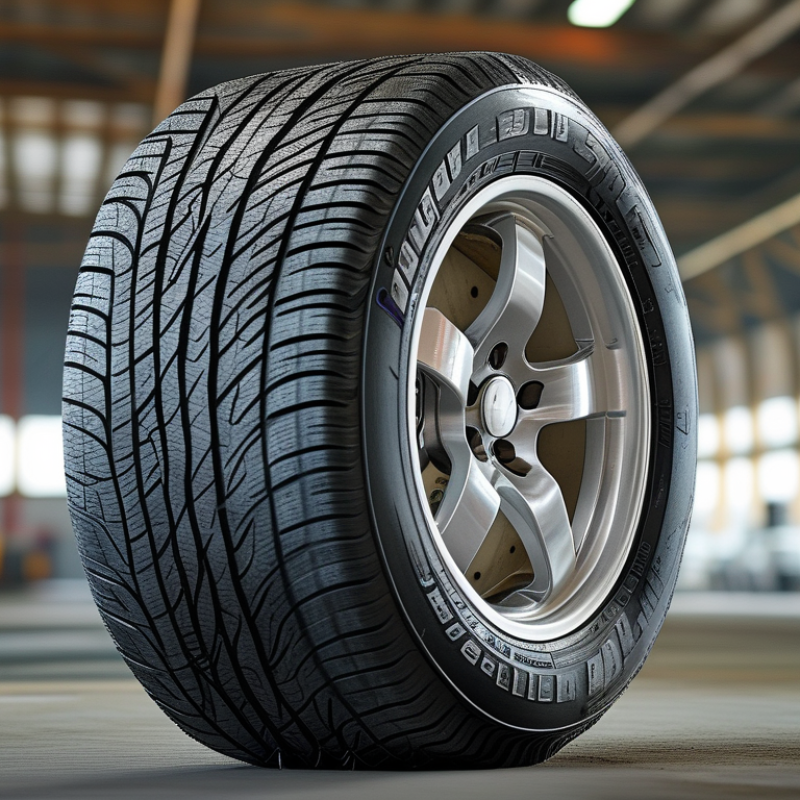
Nitrogen-filled tires are not exotic. They contain mostly nitrogen gas, with less oxygen and moisture than ordinary compressed air. Air already contains about 78% nitrogen, according to the National Oceanic and Atmospheric Administration. The practical difference is dryness. Moisture changes pressure more sharply as tire temperature rises and falls. Dry nitrogen also diffuses through rubber slightly more slowly. Pressure loss still happens.
NHTSA explains that tire pressure can change by about 1 psi for every 10°F temperature shift. That matters during cold mornings or long highway drives. The U.S. Department of Energy’s Fuel Economy Guide reports that properly inflated tires can improve fuel economy by up to 3%. Nitrogen helps preserve pressure, but it does not replace inspections. A gauge remains essential.
The benefit is clearer for vehicles carrying heavy loads, traveling long distances, or operating in severe temperature swings. For an ordinary passenger car, the extra cost may produce only a modest advantage. I have seen drivers blame nitrogen when their tires were simply underchecked. That is the weak point. Regular monthly checks, following the vehicle placard, usually matter more than the gas itself.
Nitrogen-filled tires contain mostly nitrogen. Ordinary compressed air already contains about 78% nitrogen, plus oxygen and moisture.
No. Dry nitrogen may reduce pressure loss slightly. Temperature changes still affect pressure.
Moisture expands and contracts as temperatures change. It may also encourage corrosion inside some wheels.
The advantage is usually modest for short daily trips. Correct pressure matters much more than the inflation gas.
It may help heavy vehicles, aircraft support equipment, racing vehicles, and long-distance fleets. Pressure stability matters more there.
No. Nitrogen cannot repair punctures, damaged valves, or worn tread. Those problems still cause pressure loss.
Check them at least monthly, using a reliable gauge when the tires are cold. Inspect the tread and valves, too.
No. Correct inflation supports fuel efficiency, handling, braking, and tread life. Claims of dramatic savings deserve careful questioning.
No. Adding clean compressed air is generally practical when needed. It reduces the nitrogen concentration but restores proper pressure.
Some drivers expect maintenance-free tires. That assumption is wrong. The gauge still matters.
Nitrogen-filled tires replace most of the oxygen and moisture found in ordinary compressed air with nitrogen, a dry and relatively stable gas. Because nitrogen molecules escape slightly more slowly through tire materials and valve areas, tire pressure may remain more consistent over time, especially during temperature changes. This can support steadier handling, even tread wear, improved fuel efficiency, and longer tire life when pressures are properly maintained.
However, the advantages are gradual rather than dramatic. Nitrogen inflation usually costs more, requires access to a dedicated filling service, and cannot eliminate pressure loss caused by punctures, poor valves, or temperature changes. Regularly checking tire pressure remains essential, and adding compressed air when necessary is better than driving with underinflated tires. Are nitrogen-filled tires worth the extra cost? For drivers seeking maximum pressure stability, operating in demanding conditions, or managing specialized vehicles, nitrogen may provide worthwhile benefits. For most everyday drivers, careful pressure checks and routine maintenance offer similar practical value at a lower cost.
