All-season tires are a popular choice for many drivers. They offer a blend of performance and durability. One common question arises: "How long do all-season tires actually last?" Understanding their lifespan involves various factors. Drivers often want reliability and value for money.
Factors like driving habits, climate, and maintenance significantly affect tire longevity. Some drivers push their tires to the limit, while others are more cautious. A tire's tread wear depends heavily on these variables. Additionally, manufacturers claim all-season tires can last anywhere from 40,000 to 80,000 miles. Yet, individual experiences may vary.
Moreover, tire technology has evolved. New materials enhance wear resistance. Still, not all tires are created equal. Regular inspections and proper inflation can extend life. However, drivers must recognize the signs of wear. Ignoring them can lead to safety issues. In the end, while all-season tires can last long, it’s crucial to assess your driving needs and conditions.
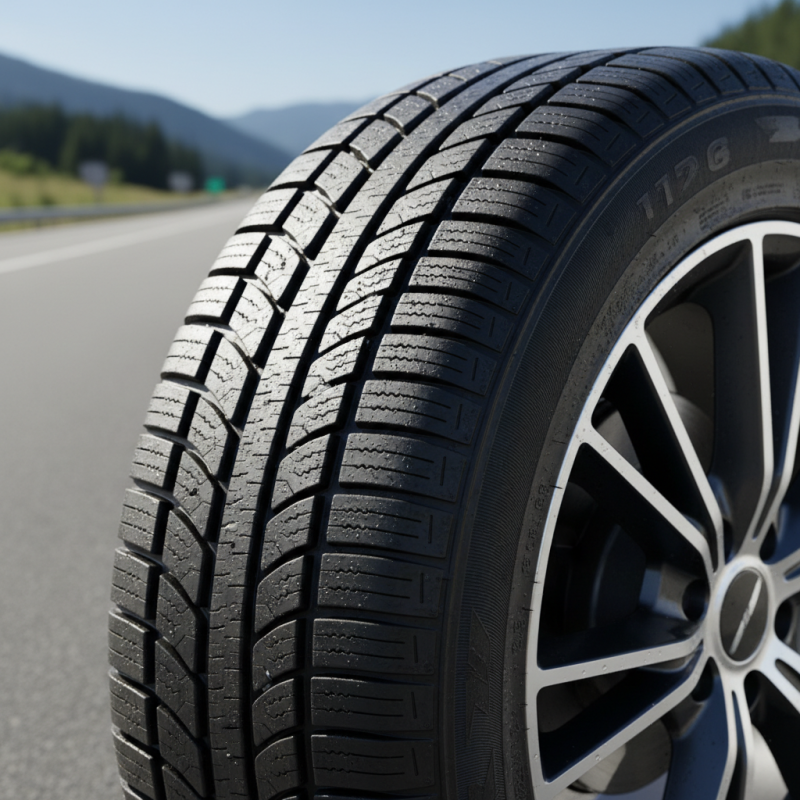
Understanding the Composition of All-Season Tires and Its Impact on Durability
All-season tires are designed to provide versatility through various weather conditions. Their composition plays a key role in durability and longevity. Constructed with a blend of rubber compounds, these tires balance grip and wear resistance. This careful formulation allows them to perform well in both summer heat and winter chill.
The tread pattern is also crucial. Many all-season tires feature a unique design that enhances traction while minimizing noise. Over time, however, some tires may wear unevenly. This can stem from improper alignment or inflation. Regular maintenance can help mitigate these issues, prolonging tire life.
It’s interesting to note that while all-season tires can last up to 70,000 miles, this is not a guarantee. Driving habits, terrain, and climate impact their actual lifespan. High-performance driving may wear tires faster than expected. Therefore, understanding these tires' composition and characteristics is essential for maximizing their durability.
Factors Influencing the Lifespan of All-Season Tires
The lifespan of all-season tires is influenced by several key factors. One major factor is the quality of the rubber compound used in manufacturing. High-quality rubber tends to resist wear better, extending the tire's overall lifespan. Another essential aspect is tire maintenance. Regularly checking tire pressure and alignment can significantly increase longevity. Neglecting these tasks can lead to uneven wear and premature aging.
Driving habits also play a crucial role. Aggressive driving, such as rapid acceleration and sudden braking, can wear tires down faster. On the other hand, smooth driving can enhance their lifespan. Road conditions are another variable. Potholes, debris, and rough terrain can cause damage, reducing the life expectancy of tires. Seasonal changes and temperature fluctuations can also impact performance.
Finally, tread design affects how long all-season tires last. Some designs improve traction and grip but can wear out more quickly. Others may provide durability at the expense of performance. It’s important for drivers to make informed choices based on their specific needs and driving conditions. Understanding these factors can help maximize the lifespan of all-season tires.
Factors Influencing the Lifespan of All-Season Tires
How Climate and Driving Conditions Affect All-Season Tire Longevity
All-season tires are designed to offer year-round performance. However, their longevity heavily depends on climate and driving conditions. For instance, a report from the Tire Industry Association indicates that tires can last anywhere from 40,000 to 80,000 miles. This range largely reflects different factors like temperatures, road surfaces, and driving habits.
In warmer climates, tires may wear faster due to higher temperatures. The rubber compounds used in all-season tires soften in heat, leading to increased wear. Conversely, colder regions may see less wear, though harsh conditions can still impact tread life. Additionally, frequent stop-and-go driving can cause faster deterioration. A study conducted by the Rubber Manufacturers Association suggests that aggressive braking and rapid acceleration can reduce tread lifespan by approximately 15%.
Proper maintenance is also crucial. Regularly checking tire pressure and alignment can prevent uneven wear. Many drivers overlook this aspect. Skipping rotation can also diminish a tire’s longevity. Thus, while all-season tires are built for extended use, environmental factors and personal habits significantly affect their actual lifespan. Balancing these variables can enhance performance and maximize longevity.
Maintenance Tips to Extend the Life of All-Season Tires
All-season tires are known for their longevity. Proper maintenance can significantly extend their lifespan. Regular inspection of tire pressure is crucial; maintaining the right pressure helps even out tire wear. Many drivers forget this step, leading to premature wear and tear.
Rotation is another key aspect of tire care. Rotating tires every 5,000 to 8,000 miles helps avoid uneven wear. Some may skip this, thinking tires wear evenly, but this is often not the case. Keeping an eye on tread depth is also essential. Once the tread wears down to 2/32 of an inch, it’s time for replacement. This is a critical point many drivers overlook.
Additionally, storing tires properly when not in use can help maintain their condition. If tires are exposed to extreme temperatures, they may degrade faster. It is a common mistake to store them in direct sunlight. Choosing a cool, dark place can prevent unnecessary damage. Regular cleaning also helps remove debris that can cause abrasions. Paying attention to these details can lead to longer-lasting tires. However, it’s essential to assess your tire condition regularly and address any issues promptly. Ignoring these simple maintenance tips could result in an unmet lifespan potential.
Why Do All-Season Tires Last So Long? How Long Can They Really Last? - Maintenance Tips to Extend the Life of All-Season Tires
| Tire Type |
Average Lifespan (Miles) |
Best Practices for Longevity |
Maintenance Tips |
| All-Season Tires |
40,000 - 70,000 |
Regular rotations, proper inflation |
Check tread depth and pressure monthly |
| Summer Tires |
25,000 - 50,000 |
Optimal conditions for summer use |
Avoid excessive heat and rough roads |
| Winter Tires |
30,000 - 50,000 |
Use only in cold weather conditions |
Store properly in offseason |
| Touring Tires |
50,000 - 80,000 |
Maintain balanced weight load |
Alignment checks every 5,000 miles |
Comparing All-Season Tires with Seasonal and Performance Tires in Durability
All-season tires are designed to provide a balance between performance and durability. They typically last longer than seasonal tires due to their unique rubber compounds and tread patterns. Reports indicate that the average lifespan of all-season tires ranges from 40,000 to 80,000 miles, depending on driving habits and conditions. In comparison, winter tires might last only 30,000 to 50,000 miles, and performance tires usually range from 25,000 to 50,000 miles.
The construction of all-season tires allows for a sturdier design. They often feature a harder rubber compound that wears more slowly than the softer compounds found in performance tires. However, this does come with a trade-off. All-season tires may not perform as well in extreme weather conditions compared to their seasonal counterparts. For instance, winter tires excel in snow and ice, while summer tires provide better traction on hot surfaces. The key is understanding your driving environment and logistical needs before making a choice.
Data shows that driving behavior impacts tire longevity significantly. Aggressive acceleration and hard braking can reduce lifespan by 15% to 30%. Environmental factors, such as temperature fluctuations, can also affect tire performance and durability. It's essential to periodically check your tire pressure and tread wear to maximize the life of your all-season tires. Balancing durability and performance requires ongoing attention and adjustment to your individual driving circumstances.
FAQS
: Warmer climates may cause faster wear due to heat softening rubber compounds.
Aggressive braking and rapid acceleration can reduce tread life by 15% to 30%.
Proper maintenance prevents uneven wear and prolongs tire life. Many drivers neglect this aspect.
Tires should be rotated every 5,000 to 8,000 miles to avoid uneven wear.
When tread depth reaches 2/32 of an inch, it’s time for replacement. Many overlook this.
Tires should be stored in a cool, dark place, avoiding direct sunlight to prevent damage.
All-season tires typically last between 40,000 and 80,000 miles, depending on usage and conditions.
All-season tires last longer than seasonal tires, but may not perform as well in extreme weather.
Many forget to regularly check tire pressure, leading to premature wear and reduced lifespan.
Data shows that individual driving habits can significantly impact tire performance and durability.
Conclusion
All-season tires are designed to offer a balance of performance and durability, making them a popular choice among drivers. Understanding the composition of these tires, including the materials used, plays a crucial role in determining their longevity. Factors such as driving habits, climate, and road conditions significantly influence how long do all-season tires actually last. By considering these elements, drivers can enhance the lifespan of their tires.
Additionally, regular maintenance practices, including proper inflation and regular rotations, are essential for extending the durability of all-season tires. When compared to seasonal and performance tires, all-season tires generally offer a unique advantage in terms of longevity, as they are designed to withstand a variety of conditions without compromising on safety and performance. Ultimately, investing in proper care and understanding what affects tire lifespan can lead to a more economical and safer driving experience.
 C-Max Tire
