 C-Max Tire
Choosing tires is not just a matter of comparing prices or brand names. Drivers also need to know when a tire was made and how to check its condition. This guide introduces ten notable Chinese tire brands, including options found in export markets and everyday replacement shops. Brand performance can vary by model, vehicle, and road conditions, so a simple ranking cannot tell the whole story. Real-world details matter.
A tire’s sidewall holds useful clues. How to read the DOT date code on tires is one practical skill every buyer can learn. The final four digits usually show the production week and year: for example, “2325” indicates the 23rd week of 2025. The full code may appear on only one sidewall, so a flashlight and a careful look can help. Small details matter. The date alone does not determine whether a tire is safe; storage, wear, cracks, repairs, and pressure matter too. I have to admit, a neat brand list can make comparisons look easier than they are.
The sections ahead explain how to compare Chinese tire makers by product range, reputation, and practical value, then show where to find and interpret the date code. Use the information as a starting point, not a substitute for checking the tire itself or consulting a qualified tire professional. A fresh date is helpful, but condition still counts.
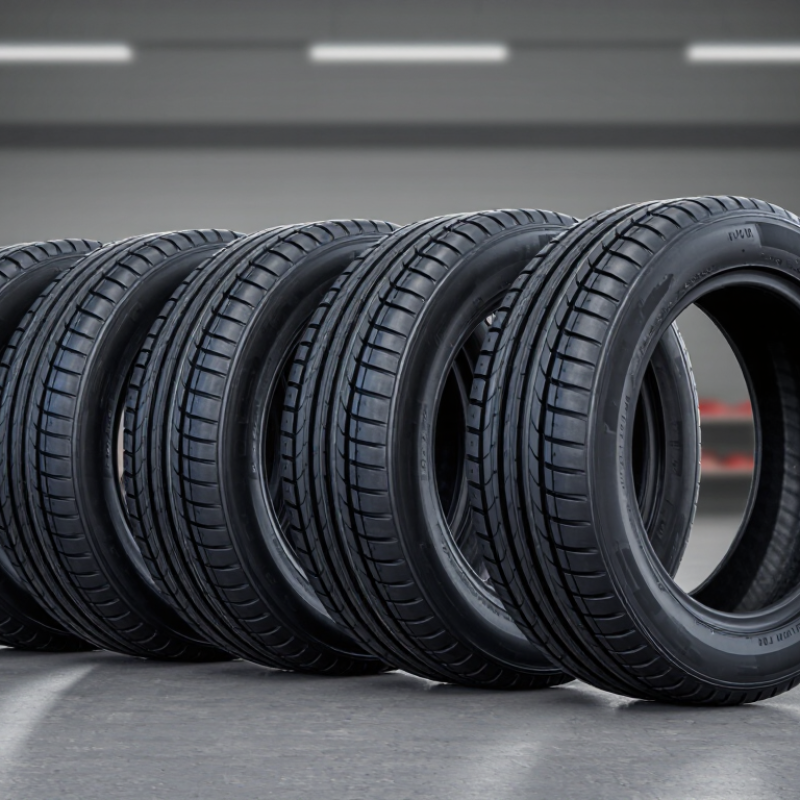
China’s tire industry is best understood as a connected supply chain, not a single factory sector. It brings together rubber and chemical suppliers, tire makers, testing services, logistics firms, and sales networks. Different plants specialize in passenger-car, truck, or off-road tires. The structure is broad. It is also uneven, and national output figures cannot show every local difference.
The National Bureau of Statistics of China reported 987.75 million tires produced in 2023, up 15.3% year on year. The China Association of Automobile Manufacturers recorded 30.16 million vehicles produced that year. Together, these figures show industrial scale and a strong vehicle-production base. They do not measure tire quality or explain how much output serves replacement demand. That distinction is easy to miss.
Tires reach customers through vehicle manufacturers, export channels, wholesalers, retailers, and repair shops. Replacement sales also depend on mileage, road surfaces, and maintenance habits. For readers comparing products, a DOT date code can identify a tire’s production week and year. It cannot reveal the full supply chain. Useful, but incomplete. (Sources: National Bureau of Statistics of China, 2023 industrial output data; China Association of Automobile Manufacturers, 2023 vehicle production data.)
| Topic | How It Works | What to Check |
|---|---|---|
| DOT marking | On tires intended for the U.S. market, the DOT marking identifies a tire that its manufacturer certifies as meeting applicable U.S. Federal Motor Vehicle Safety Standards. | A DOT marking is not a government quality rating or a statement that a tire is suitable for every vehicle or driving condition. |
| Tire Identification Number (TIN) | The complete TIN follows the DOT marking and contains manufacturer-assigned identification information, including a plant code and a date code. Other characters can identify tire size and product or production details. | The exact format and length can vary. Read the molded characters on the sidewall rather than assuming every position has the same meaning across tires. |
| Date code: four digits | For tires made in 2000 or later, the final four digits show the production week followed by the year. For example, 2324 means the 23rd week of 2024. | The code indicates when the tire was manufactured; it does not, by itself, determine the tire’s remaining service life or condition. |
| Older date codes | Tires made before 2000 use a three-digit date code. A small triangle after the digits indicates a tire made during the 1990s; without the triangle, the code can indicate a tire from the 1980s. | A three-digit code requires careful interpretation and indicates an older tire. Ask a tire professional if the marking is unclear. |
| Where to find the full code | The complete TIN, including its date code, may appear on only one sidewall. The opposite side may carry a partial TIN without the date code. | If the date code is not visible on the outward-facing side, check the inner sidewall when it can be viewed safely. |
| Chinese tire industry: materials and components | The supply chain includes natural and synthetic rubber, steel cord, textile reinforcement, carbon black, silica, and other compounds used in tire production. | Material specifications and quality control affect tire performance, consistency, and manufacturing processes. |
| Chinese tire industry: manufacturing | Manufacturing operations turn prepared materials into tire components, assemble them, and use heat and pressure to cure the finished tire. Production can serve passenger, commercial, and specialty applications. | Tire category, size, load and speed markings, and the vehicle maker’s requirements should match the intended application. |
| Chinese tire industry: testing and compliance | Tires are designed and tested against requirements relevant to their destination markets and product category. Applicable rules differ by jurisdiction. | Check the required market-specific markings and documentation; one market’s marking should not be assumed to replace another market’s requirements. |
| Chinese tire industry: distribution | Finished tires move through domestic and export distribution channels, which can include wholesalers, retailers, vehicle manufacturers, and replacement-market suppliers. | Confirm product specifications, intended market, traceability information, and warranty terms with the seller. |
| Choosing a tire without relying on a ranking | A suitable tire depends on the vehicle, tire size, load and speed requirements, climate, road conditions, and intended use—not simply on a ranked list. | Use the vehicle placard or owner’s manual as the primary fitment reference, and inspect the tire’s condition and markings before purchase. |
Note: Tire markings and regulatory requirements can vary by product and destination market. Consult the vehicle manufacturer and a qualified tire professional when in doubt.
It connects rubber and chemical suppliers, tire plants, testing services, logistics firms, and sales networks. Plants may focus on cars, trucks, or off-road vehicles. Broad, but uneven.
China reported 987.75 million tires produced in 2023, up 15.3% from the previous year. That figure shows scale, not product quality.
No. National totals do not separate replacement sales from tires supplied to vehicle makers or export channels. The distinction matters.
Its characters can identify the manufacturing plant, tire size, and manufacturer-specific details. The final four digits show the production week and year.
It means the tire was made during the 23rd week of 2024. Useful, but incomplete.
It may appear on only one sidewall. The other side can show a shortened code without the date. A flashlight helps near the rim.
No. It records when the tire was made, but not how it was stored or maintained. Not a safety certificate.
Tires made before 2000 use a three-digit date code, which can make their age harder to establish. Some manufacturers recommend replacement six to ten years after manufacture, regardless of tread depth.
Mileage, road surfaces, and maintenance habits all play a part. A rough commute can matter, but the details vary.
China’s tire industry includes manufacturers serving passenger cars, commercial vehicles, and specialized applications, with differences in production scale, product focus, technology, and market reach. This overview explains practical criteria for comparing leading tire makers, such as product range, performance priorities, manufacturing capabilities, and suitability for different driving needs. It then presents profiles of ten major Chinese tire brands without focusing on any single company, helping readers understand the variety within the industry.
The article also introduces the Tire Identification Number (TIN), explaining what information its characters can provide and where to find it on a tire’s sidewall. A step-by-step guide to How to read the DOT date code on tires shows how to identify the week and year of manufacture, so readers can interpret a tire’s age and make more informed choices when checking or purchasing tires.
